

文/九爺|本科學政治、Vor&Nach 史實歐洲武術會成員、戳樂黨員、業餘歷史與考古愛好者,興趣是講故事。
從上篇〈歐羅巴戰鬥民族〉我們可以知道,武術在歐洲不僅有悠久的傳統,自中世紀以降到近代之前,習武更曾經是非常普遍的全民運動。這個風潮可以從 14 到 17 世紀,武術手稿開始大量出現得到印證。然而,就算我們已經知道當時有大量武術手稿在坊間流通,我們要怎麼衡量這些手稿的影響力呢?這些藉由手稿傳承的戰鬥技巧,真的可以在戰場上發揮效用嗎?
要解答這個問題,Matzke 認為應該可以透過分析戰士遺骨上的傷口,再與現代根據武術手稿修習中世紀歐洲武術的團體,進行對打實驗所獲得的資料相互比較,來得到解答。
解讀戰士遺骸
但是,我們要如何判定骨骸上的創傷是源自戰場上的肉博戰(hand-to-hand combat)呢?針對這個問題,Matzke 解釋道,當時武術手稿中所提及的各種技巧,在實戰時都有非常高的機會重創或以死對手,並且在骨骼上留下可辨識的痕跡。但若是這些創傷只有傷到軟組織,而沒有傷及骨骼,那麼在遺骸上就不會顯示出來。除此之外,出土的骨骼,特別是髗骨,經常會碎裂,這也會讓鑑定鈍器造成的創傷變得非常困難。
因此,這份研究只記錄骨骼上利器所造成的傷口。利刃在骨骼上造成的傷口多呈直線,且在顯微鏡下骨骼會有與傷口平行的切痕;若是被武器尖端刺傷,則必須判定刺傷發生時刺入的速度,或是有武器尖端仍然遺留來骨骼裡才有辦法確定。因此,本研究所記錄創傷數量,應該會比實際戰士在戰場上所受的外傷數量要少很多。
五個遺址
Matzke 選擇了以上五個考古發掘作為他的分析對象,分別是英國約克郡費西爾門(Fishergate)聖安德魯教堂墓園遺址、英國約克群陶頓戰役(battle of Towton)遺址、瑞典古特蘭島(Gotland)的維斯比戰役(battle of Wisby)遺址、瑞典烏普撒拉(Uppsala)聖週五戰役(battle of Good Friday)遺址,以及挪威奧斯陸聖瑪麗教堂遺址。以下將分別介紹各遺址中戰士遺骨的創傷分布。
英國約克郡費西爾門(Fishergate)聖安德魯教堂墓園
12 – 15 世紀,29 名死者
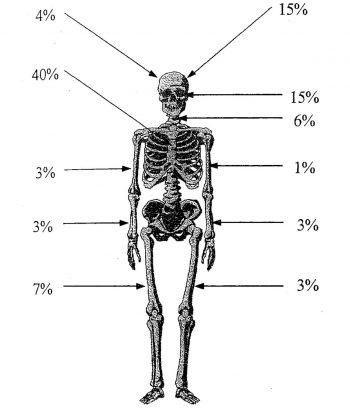
該處出土的 29 名男性骨骼顯示最容易被攻擊的部位是上半身和前手臂。這也與當時流行的武術技巧相關:頭部是最主要的攻擊目標,其次是上半身及前臂,
英國約克群陶頓戰役(battle of Towton)遺址
1461 年,24 名死者
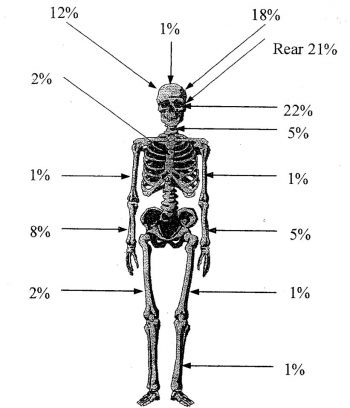
該場戰役應該有相當數量的死者是在敗逃時從背後被攻擊,故而有 21% 的傷口分布在後腦。
瑞典古特蘭島(Gotland)的維斯比戰役(battle of Wisby)遺址
1361 年,共 1,185 名戰士
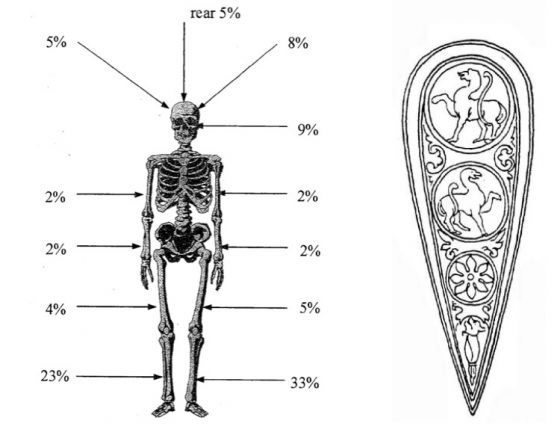
有相當大比例的創傷分布在膝蓋以下,傳統上認為這種創傷分布,應該是騎士在戰鬥中遇上步兵所造成的。但根據史料提供的歷史情境,當時被遺忘在這作遺址中的戰士,應該絕大多數是步兵而非騎士。因此另一個比較合理的假說則是,這些膝蓋以下的外傷,應該步兵使用鳶形盾戰鬥的結果,戰士的頭和身體被盾牌保護,而下肢則成為弱點。
瑞典烏普撒拉(Uppsala)聖週五戰役(battle of Good Friday)遺址
1520 年,60 名死者。
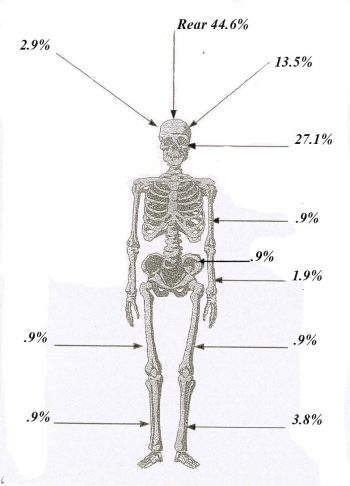
絕大多數的利器傷分布於後腦、頭頂和臉部。
挪威奧斯陸聖瑪麗教堂
14 – 17 世紀,71 名死者
來自教堂內的死者和來自教堂墓園的死者皆有受利器傷,且除了成年男性之外,這些受創傷的骨骸中,也可以找到女性和青少年。傷口的一致性顯示攻擊者極有可能有受過統一的戰鬥訓練:超過八成的攻擊來自上方。
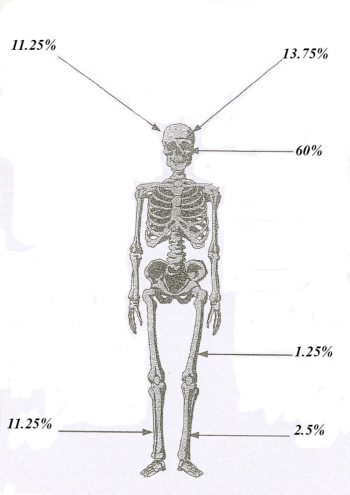
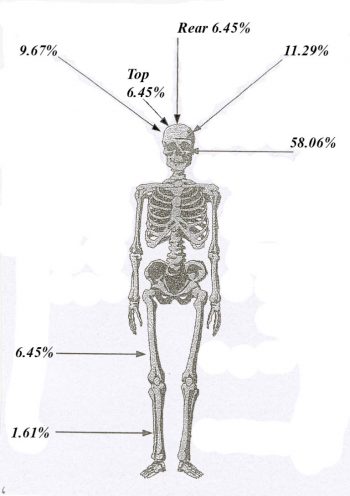
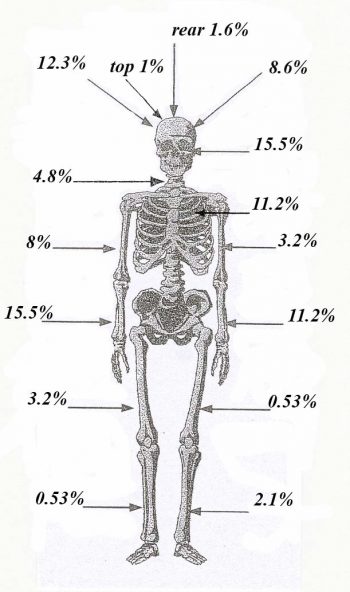
在分析過五處遺址中的戰士遺骸所受的利器傷之後,我們可以清楚地看到這些創傷都有清楚的模式:絕大多數的攻擊來自上方,且頭部是主要被攻擊的目標。但是這樣的模式,究竟和武術手稿裡所傳授的技巧,有多大的相關性呢?
對打實驗
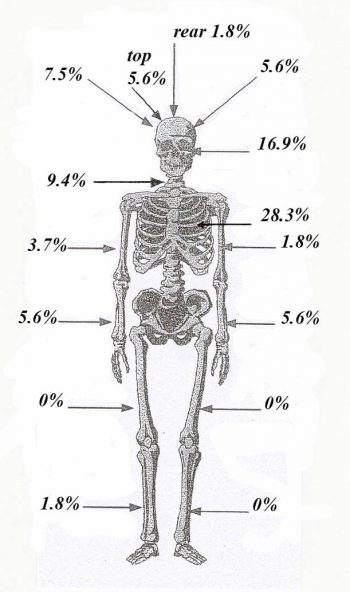
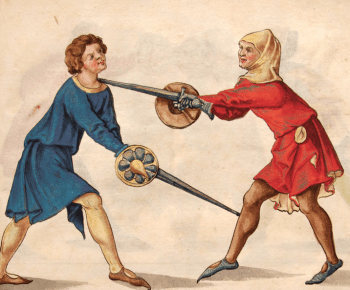
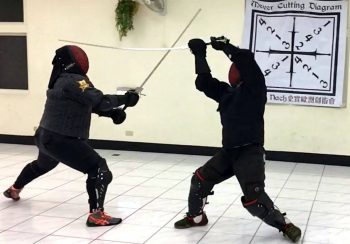
為了解答這個問題,Matzke 找來了現代依照手稿復原史實歐洲武術(HEMA, Historical European Martial Arts)的武術團體來進行實驗,作為考古資料的對照。他將實驗的項目共分成三組:劍與小圓盾(sword and buckler)、劍盾(sword and shield)、雙手武器(長劍 longword、長柄武器 polearm),並請 14 名參與者依組別進行自由對打(free sparring),最後再回報被攻擊的部位。
劍與小圓盾、劍與盾
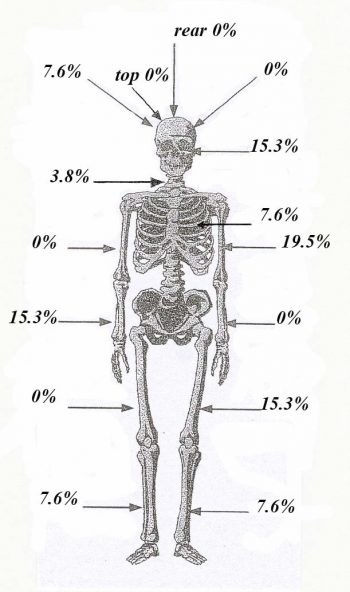
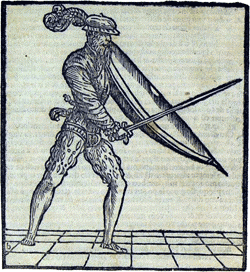
使用小圓盾防禦的的組別,相較於使用盾的組別,頭部和上半身被攻擊的機會高出很多。相反地,使用鳶形盾的組別雖然頭部和上半身被攻擊的機會比較小,但下肢(尤其是左大腿)被攻擊的機會卻變多了。
長柄武器
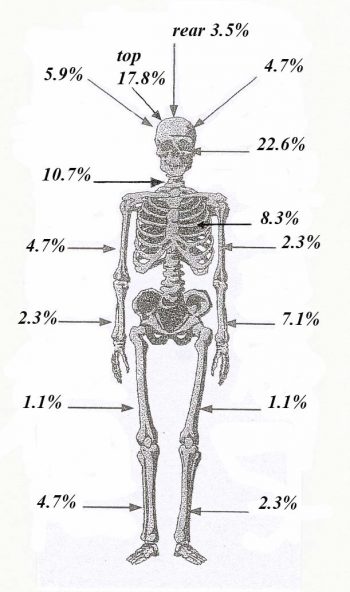
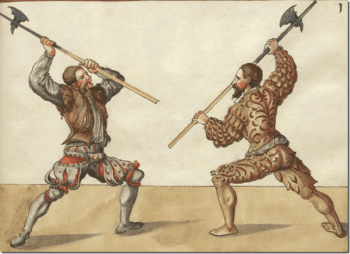
絕大多數的長柄武器,雖然也有刃口,但卻不容易像劍一樣在骨骼上造成明顯可辨認利刃傷。但是從實驗的結果來看,最容易被攻擊的部位同樣是在頭部與上半身。
長劍
長劍是一種必須同時使用雙手才能靈活運用的武器,因此在攻擊和防禦的特性上,自然也有不同的模式。頭部仍然是最容易被攻擊的部位。上肢,特別是前手臂也容易被攻擊。值得注意的是,下半身相對而言也較不容易被攻擊。
考古資料與對打實驗
比對考古與實驗資料我們可以知道,武術手稿傳授的戰鬥,在自由對打時所造成的傷害模式,與實際出土戰士遺骸上所受的創傷,是呈現正相關的,而這樣的相關性也證實了本研究的假設:在中古歐洲戰鬥技巧的傳布是比現代人想像得要更廣,因為即使是步兵,也有受過戰鬥訓練。另一方面,這份研究同時結合了歷史文獻、考古資料的回顧以及實驗操作,因此可以算是典型跨領域合作實驗考古範例。
資料來源:
- Johann Keller Wheelock Matzke, Armed and Educated: Determining the Identity of the Medieval Combatant, University of Exeter as a dissertation for the degree of Master of Philosophy in Archaeology, September 2011.
- Wikitenauer
- Paulus Hector Meyer’s halberd for learning Dane Axe?
- Vor&Nach 史實歐洲武術會粉絲專頁