請你回想一下,上一次手寫是甚麼時候?我猜大部份人應該都是在簽名的時候吧。現代人在螢幕或鍵盤上打字的時間,已遠遠超過手寫,而這讓一些學校單位也在思考,是否要用打字訓練來替代傳統的手寫課程,畢竟隨著電子產品的普及,未來人們手寫的機會只會越來越少。
儘管手寫逐漸被電子產品的便利性所掩蓋,但近期發表在 Psychological Science 上的研究顯示,用打字替代手寫的想法或許得再緩緩,因為手寫對於人們在學習上有明顯的幫助(Wiley et al., 2021)。接下來讓我們一起看看,手寫對人的學習究竟有何幫助~
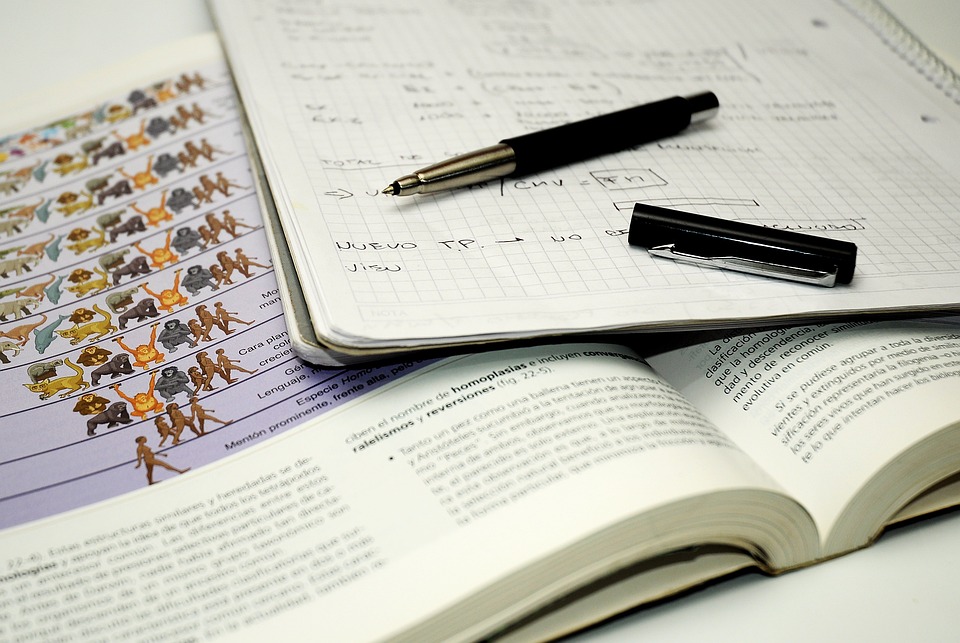
手寫的好處——增強記憶、閱讀和寫作能力
研究人員讓 42 位成年志願者從頭開始學習阿拉伯字母,而這些志願者會被分成三個學習組:書寫組、打字組和影片觀看組。
研究人員通過給志願者們阿拉伯字母的圖像與發音來讓他們學習。在介紹完每個字母後,三組人將以不同的方式學習他們剛剛看到和聽到的內容。影片觀看組在螢幕上看到一個字母的閃光後,必須說出這是否為他們剛剛看到的那個字母;打字組必須在鍵盤上找到這個字母;書寫組則必須用筆和紙抄寫這字母。
各小組的人在經過六次的訓練後,都能認出這些字母,並且在測試時很少犯錯。但是書寫組學習的速度比其他組更快,其中一些人甚至只需訓練兩次就能記住這些字母。
接下來,研究人員想知道這些人應用字母的能力如何。雖然他們都能認出這些字母,但是否有人能真正地使用它們嗎?例如對這些字母的記憶能維持多久、是否能用這些字母來拼寫新單詞與辨識陌生的單詞,甚至用它們來進行簡單的閱讀與寫作?測試結果顯示,針對上述的能力,書寫組有著明顯的好表現,有些人甚至已達到運用該文字的初級能力。

「這個結果告訴我們,儘管所有組別都能記住並識別字母,但手寫訓練在應用字母的各項能力上不僅都是最好的,而且他們達到這個目標的所需時間最少。」該研究的主要作者、北卡羅來納大學的認知科學家 Robert Wiley 如此說道。
雖然 42 人並不是很大的樣本數,但這個研究的結果仍顯示紙筆在學習中的重要作用。手寫不僅能提升記憶,也能增進閱讀和寫作的能力。事實上這個研究的部分結果已有其他研究的驗證,今年 3 月發表在 Frontiers in Behavioral Neuroscience 上的研究就顯示,比起在平板電腦上記錄資訊的大學生,在紙質筆記本上記錄的大學生不僅對資訊的記憶更久,回憶起資訊詳細內容的能力也更強(Umejima et al., 2021)。
為何書寫能增強學習能力?
那麼為什麼用筆在紙上書寫,能增加人的記憶、閱讀和寫作能力呢?其實這與大腦皮質的功能區活化有關。
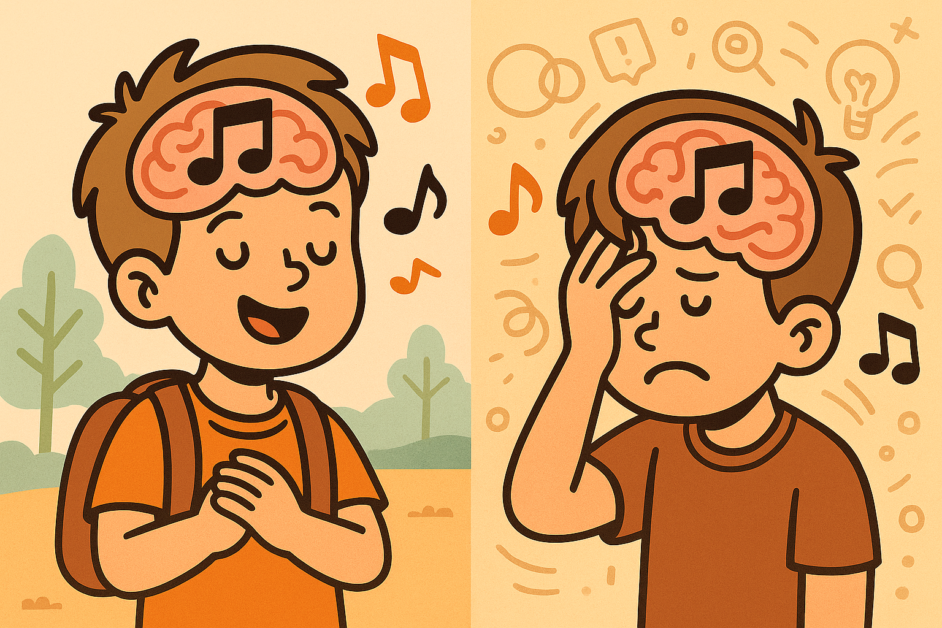
科學家通過研究已知人類大部分的心智活動,從視覺、聽覺,到語言、思考、記憶、決策等複雜認知功能,主要由大腦皮質所負責,而不同的功能也由不同區域的皮質所控制。當大腦要執行複雜的認知功能,這些功能區並非各自為政,而是彼此緊密地配合。越複雜的認知功能,就需要越多的功能區一起配合。雖然越多功能區參與表示該認知功能的難度較高,人在學習該能力時也較困難。但同樣地,越多功能區的參與,就能讓學習該能力的過程更穩固與全面。在實務上我們能藉由觀察大腦皮質功能區的神經元是否活化,來判斷該功能區是否有參與認知活動的學習。

研究顯示,比起看電腦螢幕學習,手寫不僅能增強書寫功能區的神經元活動,也會增進初級運動皮質區、影像視覺化區、語言中樞區、閱讀寫作區和海馬迴的神經元活動(Umejima et al., 2021)。也就是說,手寫對於大腦功能區的活化非常全面。從負責記憶和導航的海馬迴到閱讀與寫作功能區,這些都在手寫的當下被活化。因此對大腦而言,手寫可不簡單。從空間動作、記憶回顧、語言反饋、閱讀理解到寫作輸出,都能藉由手寫這個看似簡單的動作得到強化與深化。也因此手寫對於學習的幫助比起使用電子產品更全面。

雖然上兩篇提到的研究對象都是成年人,不過研究人員認為,手寫對於孩童的學習應該也有幫助。而根據 2017 年發表在 Current Directions in Psychological Science 上的研究顯示(James et al., 2017),未識字的孩童在手寫學習字母的過程中,大腦中的閱讀與寫作功能區也會活化。雖然該研究並未測試孩童在手寫後的閱讀與寫作能力是否提升,但仍顯示手寫對於孩童學習過程的重要性。

「家長和教育工作者的問題是,為什麼我們的孩子要花時間練習手寫?如果你練習手寫,你會成為一個更好的手寫者,但既然現代人們手寫的機會少了,那麼還有必要進行嗎?這個提問背後的真正問題是:手寫對於孩子有好處嗎?我們發現答案是肯定的,手寫能增進孩子們的拼寫、閱讀和理解能力。」該研究的高級作者、約翰霍普金斯大學的認知科學家 Brenda Rapp 如此說道。
綜合以上結果來看,手寫對於學習可謂好處多多,因此要將紙筆和手寫從教育中去除,可能不是明智的選擇。不過研究人員們也強調,這並非否定電子產品對於教育的重要性,畢竟隨著時代趨勢,打字訓練也很重要。而且電子產品的便利性不僅能提供教育更多元化的選項,也能減少紙本佔空間與浪費資源的問題。但手寫不該是站在電子產品的對立面,相反的,手寫對於輔助電子產品的學習有著很大的幫助。這告訴我們,隨著科技與時代的進步,有些東西仍不能輕易捨棄。
因此下一次你有甚麼特別想學習或記錄的事情,不訪拿起紙筆手寫吧。這樣不僅能增加記憶與學習,也能提升你的創造力。而在這個電子產品充斥的時代,手寫也更顯事物的珍貴與你對事物的重視。
參考資料
- Wiley RW, Rapp B. The Effects of Handwriting Experience on Literacy Learning. Psychol Sci. 2021 Jun 29:956797621993111.
- Umejima K, Ibaraki T, Yamazaki T, Sakai KL. Paper Notebooks vs. Mobile Devices: Brain Activation Differences During Memory Retrieval. Front Behav Neurosci. 2021 Mar 19;15:634158.
- Human brain
- James KH. The Importance of Handwriting Experience on the Development of the Literate Brain. Current Directions in Psychological Science. 2017;26(6):502-508
- Hand-writing letters shown to be best technique for learning to read

 tony19907051
 windmill
 Chi Chris