
最近的那篇〈回〈美國牛肉的迷思 – 謠言與事實 Q&A〉〉在PanSci得到原文作者金山豆博士詳細的回答。他的專業和風度,還有解釋能力,是寫了美國牛文章以來這兩年最讓我敬佩的:) 非常感謝他讓我學習到不少新知識。
原先那篇文章還是有不少地方解釋不夠清楚。我同意PanSci站長Portnoy的建議,如果他能把這些回復,再整理成一篇文章,相信能夠嘉惠更多的讀者。這兩年參與了很多美國牛討論,幾乎沒有像他能夠這麼能夠用淺顯易懂的語言有條理解釋和釐清事實的專業人士。所以不論立場,這篇《回答:回〈美國牛肉的迷思 – 謠言與事實 Q&A〉》相信對大家都會有幫助。
他的回應中,有許多我也認同的事實。不過,我還是想做些說明:
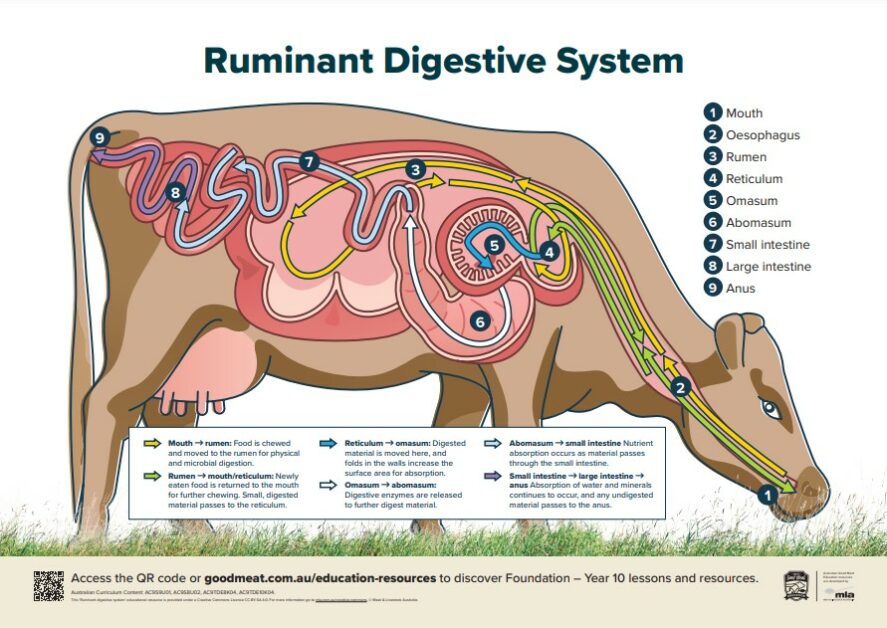
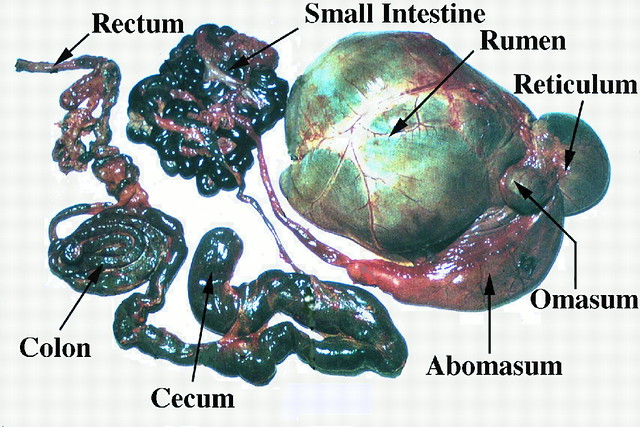
Q1,原來牛的瘤胃生理環境是中性是誤解的。牛的正常牛的瘤胃生理環境是弱酸性。可是含玉米等穀物混合精料在不當餵食會讓牛的瘤胃變得更酸(Grain poisoning of cattle and sheep),不過據金山豆博士指出,一般上牧場都不會對這問題掉以輕心,以免得不償失。
我同意他指出的,飼料對O157的帶原率的研究結果不一致,問題也很複雜。不過那些證據,以及文章作者的觀點,仍然指出飼料和集約式飼養環境還有可能是主因,那兩篇2009年論文沒有不支持我的論點(Callaway TR, et al. Curr Issues Mol Biol. 2009;11(2):67-79. & Jacob ME, et al. Foodborne Pathog Dis. 2009 Sep;6(7):785-92.),因為他們都指出有些研究確實發現添加玉米的飼料會造成O157的盛行,只是又有另一些研究的結果相反,因此這個問題並沒有確定的結論,不過也沒人能完全排除添加玉米的飼料主兇。
因此O157的污染,似乎並不完全像原文所說的,全都是屠宰場單方的問題。而且美國屠宰場還有不斷有漏網之魚。我想,雙管齊下是好方法吧?
Q2,含玉米等穀物混合精料,會讓牛更易患上胃炎(rumenitis)、肝膿瘍(liver abscesses)、蹄葉炎(laminitis)等疾病(Liver Abscesses in Cattle – Merck Veterinary Manual、Acute or Subacute Laminitis in Cattle – Merck Veterinary Manual)。
金山豆博士指出牧場管理和適當地調配飼料是最好的解決方式。不過美國集約式牧場在各種成本考量下,似乎主要一般就是施予抗生素來面對以上疾病的問題 (Nagaraja TG, Chengappa MM. J Anim Sci. 1998 Jan;76(1):287-98. & Nagaraja TG, Lechtenberg KF. Vet Clin North Am Food Anim Pract. 2007 Jul;23(2):351-69, ix & Sarmah AK, Meyer MT, Boxall AB. Chemosphere. 2006 Oct;65(5):725-59. Epub 2006 May 4.),加上抗生素能夠提高動物成長速度,所以合法抗生素的大量使用在美國畜牧業是常態,這也造成了環境污染(Sarmah AK, Meyer MT, Boxall AB. Chemosphere. 2006 Oct;65(5):725-59. Epub 2006 May 4. & Song W, et al. J Environ Qual. 2010 Jul-Aug;39(4):1211-7.)。因此,抗生素的濫用的確是偷懶的結果,不過也是因為有合法抗生素可以大量使用來取巧的結果。
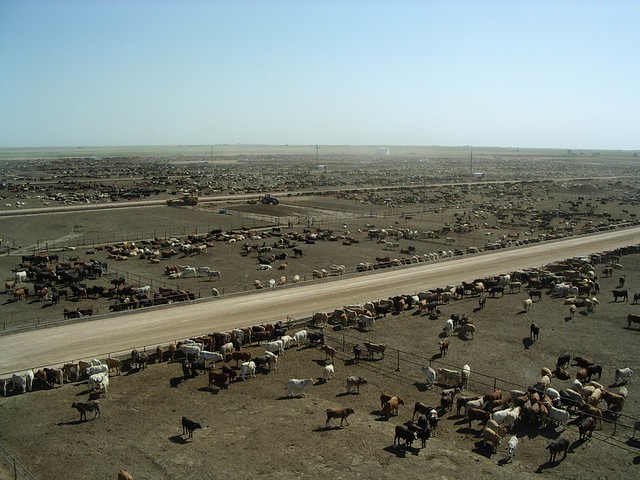
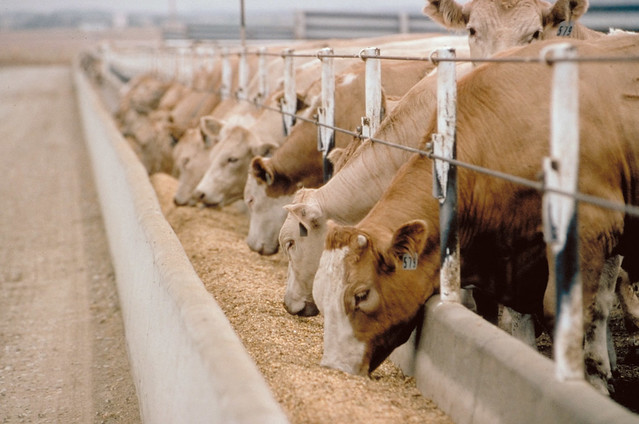
還有,我想許多像我一樣的人,拿「玉米」來做文章,並非只是要怪罪「玉米」而已,而是整個集約式牧場制度。
Q3,我沒有否定文章中陣述的事實,只是覺得拿不相干的東西來比,可能不是好的方法。不過這個觀點見仁見智。我們都同意,均衡的飲食其實更重要。
Q4, 我同意攝取量是關鍵。但是我想大多數人指牛肉不健康,原因有許多,除了抗生素殘留的問題,還包括牛肉的不良脂肪酸等對人體健康的影響。還有,吃添加玉米飼料的牛的肉,可能就因為太油膩了,或者脂肪酸比例含量不優,所以更容易導致文明病。像藏族吃了很多放牧的犛牛肉,可是甚少文明病。美國人的主食是集約式牧場出產的牛肉,這和他們文明病盛行可能有關。有人提出,如果是放牧的牛肉,問題可能就比較小,例如「草食牛」(grass-fed beef)在脂肪酸含量和其他有益成份上優於「玉米牛」(grain-fed beef)(Daley CA, et al. Nutr J. 2010 Mar 10;9:10.)。不過台灣人不像美國人那樣狂吃牛肉,所以這個問題可能就不太重要。
Q6,我們無法改變人家美國集約式牧場,頂多只能用一段政治手段保護台灣人民的健康和畜牧業。
動物科學在教育訓練到實際操作上,可能有著一些頗大的落差。我的想法是,因為牧場上常常會因為方便或減低成本,而有一些不良作法,導致教育訓練和實作的落差。政府其實應該嚴加督導。可是美國政府從雷根的小政府無為而治的理念開始,就自廢了許多武功,加上業者買通說客,讓美國政府即使在出事後,也不能或不敢去監管。所以拒絕開放讓美國牛入口,還是有道理的。
原文有一點我非常同意,「如果不是人類自己愛吃牛肉又貪便宜,當初根本不會有集約式肉牛牧場發展出來。」,所以其實不能全怪畜牧業者,因為市場和利潤的誘因實在太大了。
我是鼓勵吃素的,不過也知道要全台人民都吃素,是不實際的。在現代生活,我們其實不缺肉類,而且甚至是吃太多肉了,以致造成了一些諸如心血管疾病和癌症等的文明病。過完年我和一些朋友都有不少感慨,就是過去只有過年過節或婚宴才會吃到大魚大肉,可是現在每天都不難吃到大魚大肉,使得過年過節又更變本加厲地只吃大魚大肉XD 結果過完年,身體就一大堆毛病Orz

所以,消費者其實應該好好思考,我們應該取得更多便宜的肉品,還是吃較少,可是品質更高、更健康的肉品。台灣人愛美食,我相信大部分朋友都同意,如果吃到的肉更美味、更健康,少吃一點但吃高檔一點,是可以接受的。
我想,追求肉品品質,以及畜牧動物福祉的提昇,是消費者、畜物業者和畜牧動物三贏的理想。
原文出處:
The Sky of Gene: 再回《回答:回〈美國牛肉的迷思 – 謠言與事實 Q&A〉》
延伸閱讀:
The Sky of Gene -回〈美國牛肉的迷思 – 謠言與事實 Q&A〉
The Sky of Gene – 美食帝國(Food, Inc.)
The Sky of Gene – 美國牛肉事件是單純的科學問題嗎?
The Sky of Gene – 【分享】你準備好吃美國牛內臟了嗎?
The Sky of Gene – 〈群魔亂舞的美國牛肉〉的科學依據
The Sky of Gene – 美國牛肉事件中,台灣學者專家之意見
The Sky of Gene – 【分享】台大博士生吃牛糞漢堡抗議美國牛肉進口
The Sky of Gene – 請用您的行動,拒吃美國牛肉!!!
The Sky of Gene – 請用您的行動,來告訴雀巢公司:我們真的受夠無良黑心廠商了!
The Sky of Gene – 群魔亂舞的2.5 ppm!-從台灣三聚氰胺事件論政策和報導的不專業
The Sky of Gene – 救命飲食(The China Study)
The Sky of Gene – 飲食規則-我們該吃什麼?
The Sky of Gene – 我們到底要吃什麼?(上)
The Sky of Gene – 我們到底要吃什麼?(下)
The Sky of Gene – 靠夭,我們吃的到底是什麼!?(上)
The Sky of Gene – 靠夭,我們吃的到底是什麼!?(下)
The Sky of Gene – 靠夭,那是給人吃的嗎?!
The Sky of Gene -愛台必讀!-糧食危機關鍵報告:台灣觀察











-200x200.jpg)