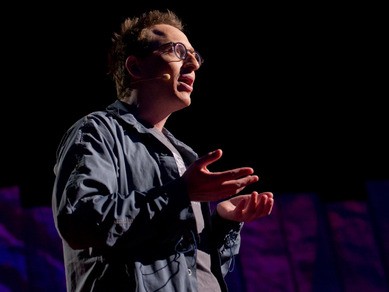
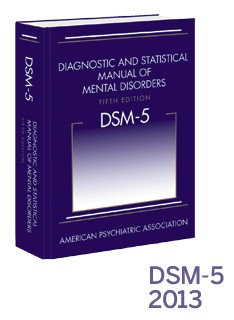
這名少年犯不是沒有嘗試過為自己辯解,畢竟裝病這種事情,大家小時候或多或少都有作過,可以是為了逃避考試、逃避責任,逃避所有你想要逃避但是因為生病就可以躲過一劫的事情——但你知道嗎?這樣的行為被名列在精神疾病診斷與統計手冊(The Diagnostic and Statistical Manual of Mental Disorders,DSM)中,是一項著名的精神疾病,叫做詐病(Malingering)。
於是,假裝你不正常這件事,就變成了你不正常的證據。
在演講的最後,朗森透漏了那名少年犯在經過十四年的監禁生活後,獲得釋放,並說了一句讓人惶惶不安的話:「你知道嗎,每個人或多或少都有點精神病。(You know what, everyone is a bit psychopath.)」只是大部分的人都處於其中的灰色地帶,「然而這個世界不喜歡灰色地帶」。
在社會心理學裡面,有一個名詞叫做汙名化(Stigmatization)。但其實中文翻譯用「汙名」二字並不恰當,因為這往往不是壞的方面,而是指一個被汙名化(必須得承認這是我唯一能將這個名詞中文化的用詞,即使它並非那麼恰當)的人,會將他們自己貼上來自他人眼中自己部分特徵的標籤,進而減少了其他方面的可能性。在〈汙名的社會心理學〉(The Social Psychology of Stigma)一文中,針對汙名化的介紹和帶來的影響有更詳細的介紹。
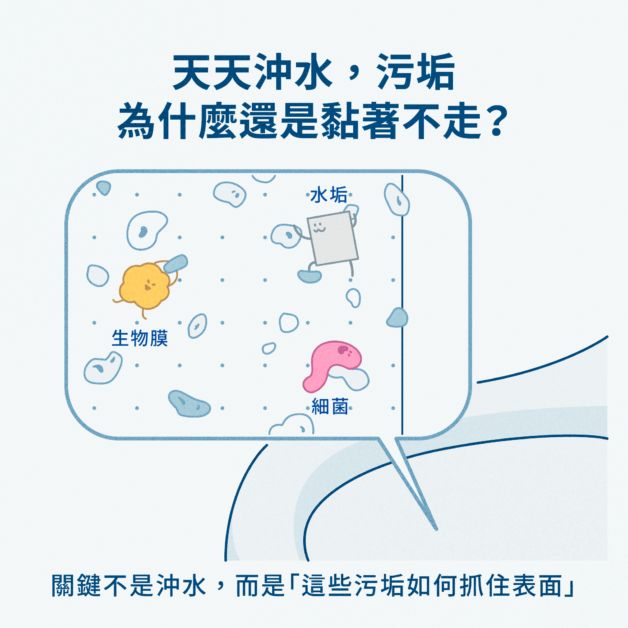
以市面上備受矚目的 Panasonic A La Uno 全自動洗淨馬桶為例,就是將材料科學、結構工程與流體力學發揮到極致的典型代表:
1. 材料層:有機玻璃系新素材
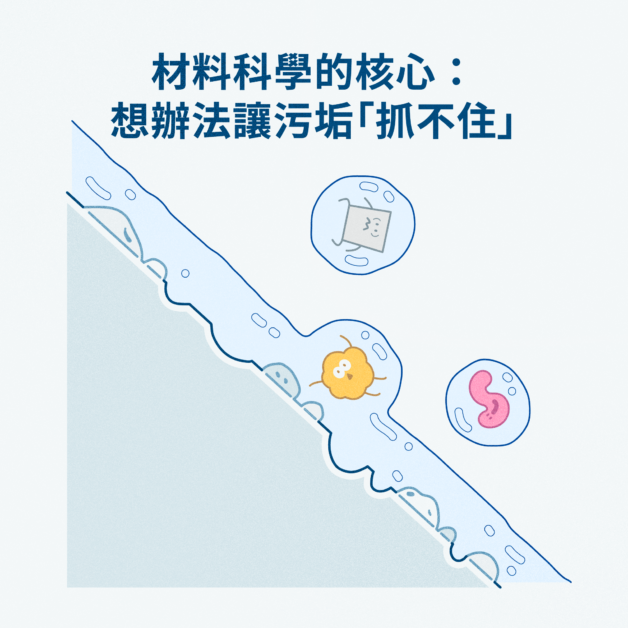
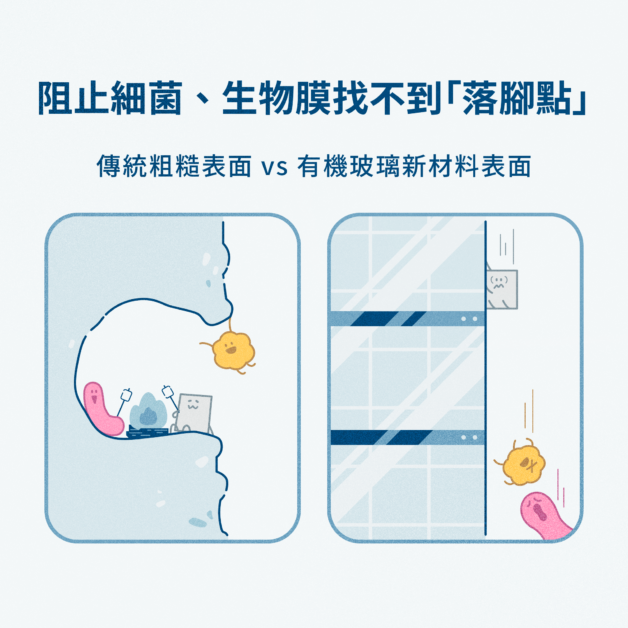
A La Uno 全自動洗淨馬桶採新開發的「有機玻璃系新素材」(以壓克力高分子為基礎研發的衛浴專用材料,這類高分子成形技術亦被廣泛運用於大型水族館高壓觀景窗與飛機機艙罩)。這種材料表面具備極佳的疏水性與耐水垢特性,水滴不易長時間攤平停留;材質堅固、不易破裂,耐刮、不易造成細小傷痕。通過實驗測試,這種素材配合泡沫洗淨,在沖洗後能有效沖刷掉高達 99.99% 的大腸桿菌,從源頭阻斷細菌定殖。
-----廣告,請繼續往下閱讀-----
2. 結構層:無接縫工藝與三重防濺防護
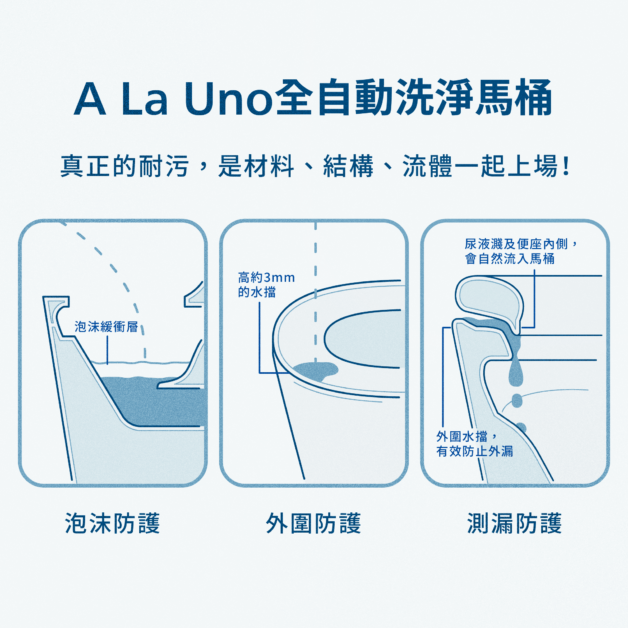
在宏觀結構上,A La Uno 全自動洗淨馬桶採用無水箱沖水與便器、溫水洗淨便座一體成型設計,減少傳統水箱與座體之間的結構層次及接縫,並搭配可動迴轉式排水系統完成沖洗。更貼心的是其「三重防護」設計:
泡沫防護:在水面上製造一層充沛的泡沫緩衝層,有效抑制男性站立小便時的尿液與污水飛濺;
外圍防護:馬桶邊界特別設計了高約 3mm 的水檔,防止液體延著外壁滴落至地板;
測漏防護:便座與馬桶本體採用不外露的防護設計,避免液體從縫隙飛濺滲漏。
Panasonic A La Uno 全自動洗淨馬桶
3. 動態流體層:雙效泡沫洗淨、漩渦水流與 nanoe™ X
當污垢降落在馬桶內壁時,A La Uno全自動洗淨馬桶 的動態流體科技便接手進行徹底打掃。其「雙效泡沫洗淨」會先釋放直徑約 5mm 的「毫米泡沫」包裹並帶走大塊髒污,再透過直徑約 60微米的「微米泡沫」深入微觀縫隙,徹底溶解殘餘的油脂與細微污垢。接著,配合高度清潔力的「漩渦型強力水流」,利用旋轉產生的流體剪切力,一口氣將附著力已被削弱的污垢剝離並沖走。此外,Panasonic A La Uno 全自動洗淨馬桶還搭襯了 nanoe™ X 健康科技,釋放氫氧離子有效抑制異味與髒污,維持空氣與內壁的良好衛生狀態。
Block, J. J. (2008). Issues for DSM-V: Internet addiction.
Dalal, P. K., & Basu, D. (2016). Twenty years of internet addiction… quo Vadis?. Indian journal of psychiatry, 58(1), 6.
Pies, R. (2009). Should DSM-V designate “Internet addiction” a mental disorder?. Psychiatry (Edgmont), 6(2), 31.
Pontes, H. M., & Griffiths, M. D. (2014). Internet addiction disorder and internet gaming disorder are not the same. Journal of Addiction Research & Therapy, 5(4).
Weinstein, A., Feder, L. C., Rosenberg, K. P., & Dannon, P. (2014). Internet addiction disorder: Overview and controversies. Behavioral addictions, 99-117.
隔空分析其實並不罕見。有些歷史學和政治學者會透過史料記載,用心理學理論來分析當代或古代的重要人物。例如政治學家巴伯(James David Barber)就專門分析美國歷任總統的人格特質,並以此來解釋他們在白宮的表現。這類研究有一定的爭議,有些學者認為領導者的決策和表現主要受大環境影響,他的人格特質不怎麼重要。
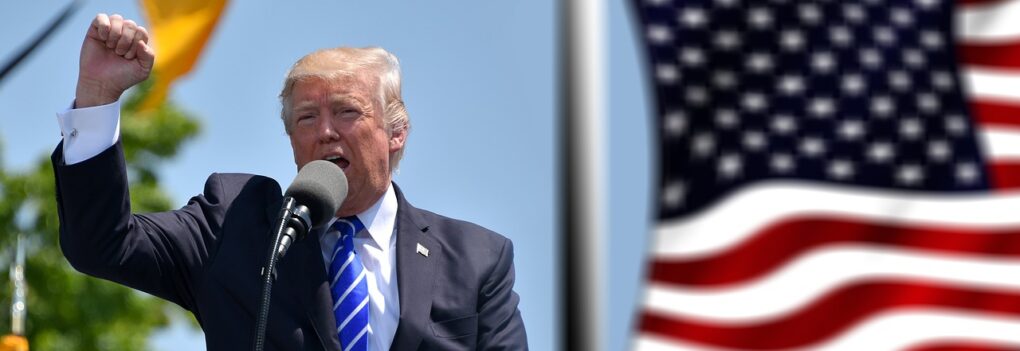
在人格方面,西北大學專門研究美國總統人格的人格心理學家丹‧麥亞當斯(Dan P. McAdams)曾在《大西洋》雜誌分析川普的人格,試圖預測他會是什麼樣的總統:川普極為外向,這類人傾向做高風險的決定,他的親和性則遠低於美國歷任總統,可能會讓川普在國內和國際事務上類似尼克森,帶有強烈的敵我意識,較沒有同理心。麥亞當斯後來進一步將其觀點寫成《唐納‧川普的奇特案例》(The Strange Case of Donald J. Trump)一書,在 2020 年出版,認為川普的低親和性使他不擅長看場合扮演不同的角色,即使居總統大位也不會特別表現出莊重的態度,在需要表現出同情心的時候則顯得彆扭。
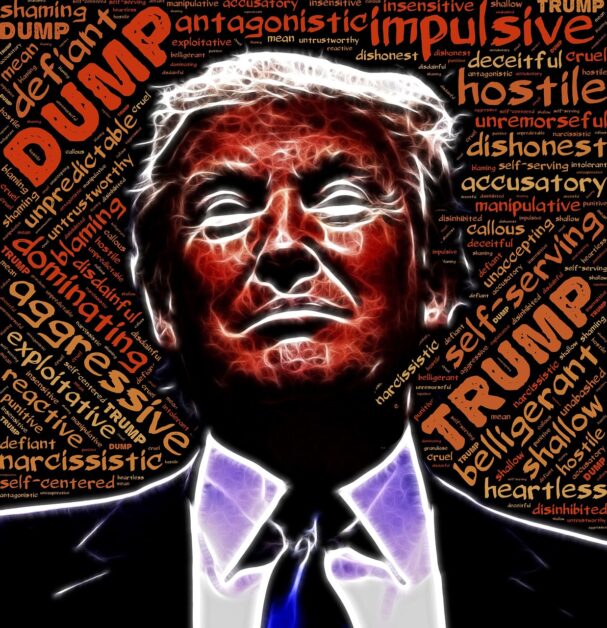
在精神醫學方面,一開始有些人懷疑川普是心理病態或社會病態,但後來較多人同意的診斷結果是自戀型人格障礙[4],許多人也認為讓自戀型人格障礙的患者當總統會造成嚴重的危害。最有名的例子是耶魯大學的精神病學家班迪‧李(Bandy Lee)、哈佛大學臨床精神科退休教授多德斯(Lance Dodes)、約翰‧霍普金斯大學醫學院任教的心理治療師加特納(John Gartner)等人,他們召開研討會專門討論川普的心理健康,並在事後集結與會的 27 位精神健康相關領域專家的分析,出版為《危險個案川普》(The Dangerous Case of Donald Trump),書中認為川普最主要的心理特質包括自戀型人格障礙、躁鬱症、偏執人格,症狀包括自我感覺良好(self-aggrandizing)、說謊、怒罵、吹噓、責怪別人造成的不便、需要別人不斷地讚美。
然而,專門研究美國總統行為的政治學者兼精神分析師史丹利‧倫肖恩(Stanley Renshon)在 2020 年出版的學術專書《川普總統的真正心理》(The Real Psychology of the Trump Presidency)有非常不同的看法。倫肖恩認為,雖然川普確實自戀,但他的目標是透過真正的成就來獲得大眾的讚譽,川普並非好大喜功,而是目標宏大,總是先丟出巨大的賭注,之後再看情況改變立場。倫肖恩並指出川普精準地抓到了社會底層小人物的心理,以此贏得選戰,可見絕非沒有同理心。他認為川普的奇特行為是他精心打造的品牌策略,卻被其他心理學者誤判成川普精神狀態的結果,讓川普成了美國歷史上最被誤解的美國總統。總結來說,倫肖恩認為川普是真心的想要積極改革,促成美國復興,但因為缺乏從政經驗,加上不被多數人理解而失敗。
2018 年,先前曾出版《沙發上的布希》和《沙發上的歐巴馬》的精神分析師弗蘭克(Justin Frank)出版了《沙發上的川普》(Trump on the Couch: Inside the Mind of the President)。在書中,他仔細研究了川普的早年生活,指出川普年輕時曾因素行不良被父親趕出家門、送到軍校,在通俄門的調查中,川普的無意識將檢察官羅伯特‧穆勒當成父親,擔心被趕出白宮。另外他還指出川普的主要心理防禦機制是投射:川普自己在做什麼,他就會指控別人在做什麼,所以最容易理解川普的方式就是看他如何指控別人。
川普的姪女瑪麗‧川普有臨床心理學博士學位,他在 2020 年出版回憶錄《永不滿足:我的家族如何製造出了世界上最危險的人》(Too Much and Never Enough: How My Family Created the World’s Most Dangerous Man),書中介紹稱:根據自己和唐納‧川普的近距離互動經驗,他同意唐納‧川普符合「自戀型人格障礙」的所有九個診斷標準。他並主張自己的祖父(唐納‧川普的父親)弗雷德‧川普有社會病態,缺乏同理心,加上唐納‧川普的母親在他幼年時因病住院而缺席,才養成唐納‧川普的性格。
-----廣告,請繼續往下閱讀-----
選民怎麼看?
曾研究過希特勒精神健康的科羅拉多大學心理系教授庫裡奇(Frederick L. Coolidge)在 2020 年指導的研究中[5],讓兩百多位美國的選民觀看川普的官方競選影片中較正面或較負面的部份,然後替川普填寫心理量表。結果顯示不論看的是正面或負面的影片、不論是 2016 年投給希拉蕊還是川普的選民,都在施虐人格障礙、自戀型人格障礙、反社會人格障礙、以及被動攻擊(passive-aggressive)把川普評量在 99% 的百分等級。也就是說,兩黨選民都同意他們看見的川普有許多會被心理學家認為屬於是前述人格障礙的行為。但同樣掌握這層資訊的雙方卻投給了不同人,可見雙方並不同意這些行為傾向所隱含的意義;認為這些行為不恰當或有危險的人投給了希拉蕊,而不認為這些行為有什麼不妥的人則投給了川普。
反對隔空診斷的人則認為,川普的行為大家都看得見,精神醫師加入公眾討論並丟出「精神疾病」的標籤並無助於提供更多資訊,反倒影響精神醫學的權威形象。而醫師若是知道其他人不知道的事,講出來則會破壞醫病關係中的病歷隱私權。精神科專家弗朗西斯(Allen Frances)於 2017 年出版了《美國理智的黃昏:精神醫生分析川普時代》(Twilight of American Sanity: A Psychiatrist Analyzes the Age of Trump),認為把川普描述為精神病患者傷害了真正的精神病患者的名譽,他還認為有精神疾病的不是川普,而是美國社會;人們無法改變川普,但人們可以努力消除造成「川普現象」的社會問題。
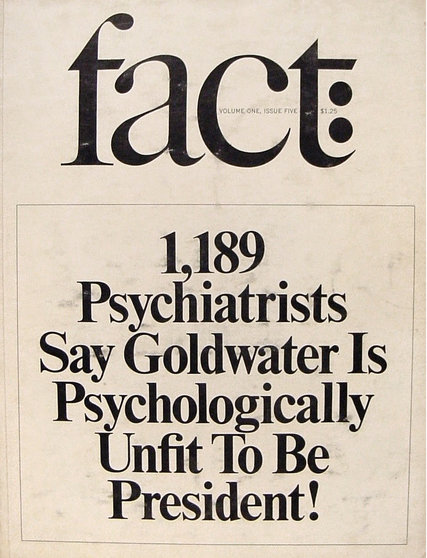
另外也有些人懷疑隔空診斷不可靠,但多德斯在《時代》雜誌受訪時表示,面談只是為了瞭解心理問題的內部根源,但如果只是要診斷人格特質,觀察外部行為就夠了,像執法人員也常請精神醫師隔空建立嫌犯的心理側寫。埃默裡大學心理系教授利廉翡德(Scott O. Lilienfeld)等人也認為,現代由於網路和影片媒體的快速發展,對川普的分析有非常充份的資料可以作為參考依據,反倒是傳統在診間進行的問診常缺乏固定的形式,存在許多偏誤,卻因為高華德守則讓問診成了主流,造成這些偏誤被長期忽視[8]。
Babiak, P, Neumann, C.S., Hare, R. D. (2010). Corporate Psychopathy: Talking the Walk. Behavioral Sciences and the Law 28:174–193. doi:10.1002/bsl.925.
Ponterotto, J. G., Reynolds, J. D. (2017). Ethical and Legal Considerations in Psychobiography. American Psychologist 72(5):446 – 458
Coolidge, F. L., Davis, F. L., & Segal, D. L. (2007). Understanding madmen: A DSM-IV assessment of Adolf Hitler. Individual Differences Research 5(1): 30–43.
Ashcroft, A. (2016). Donald Trump: Narcissist, Psychopath or Representative of the People?. Psychotherapy and Politics International. 14(3): 217–222. doi:10.1002/ppi.1395
Fiala J.A., Mansour S.A., Matlock S.E., Coolidge F.L. (2020). Voter Perceptions of President Donald Trump’s Personality Disorder Traits: Implications of Political Affiliation. Clinical Psychological Science. 8(2): 343-350. doi:10.1177/2167702619885399.
Gartner, J. Langford, A., O’Brien, A. (2018). It is ethical to diagnose a public figure one has not personally examined. The British Journal of Psychiatry. 213: 633–637. doi:10.1192/bjp.2018.132.
Kroll, J. (2016). The Ethics of APA’s Goldwater Rule. Journal of the American Academy of Psychiatry and the Law. 44: 226–35
Lilienfeld SO, Miller JD, Lynam DR. The Goldwater Rule: Perspectives From, and Implications for, Psychological Science. Perspectives on Psychological Science. 2018, 13 (1): 3-27. doi:10.1177/1745691617727864



 「喔,你是心理系畢業的……所以你能看穿我現在在想什麼嗎?」











 鄭國威 Portnoy


 狐禪
狐禪 shrpengchuang


