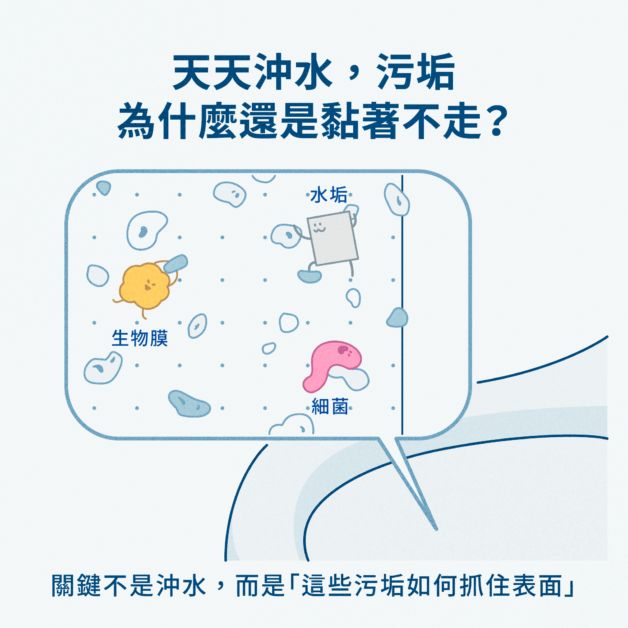
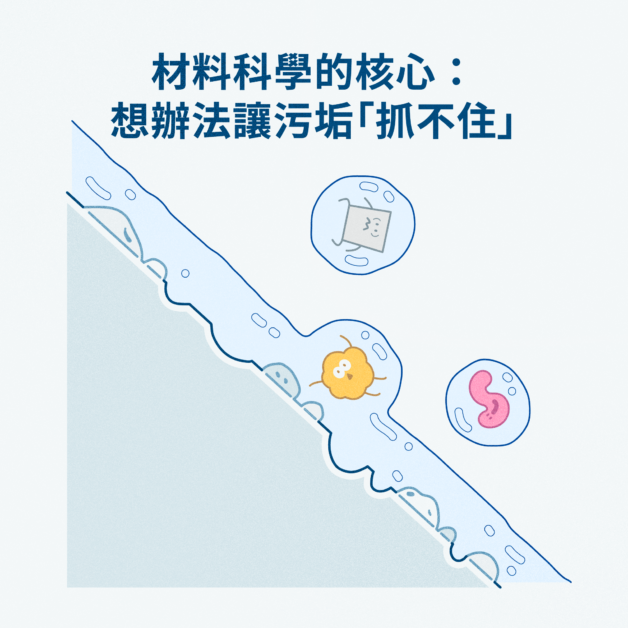
以市面上備受矚目的 Panasonic A La Uno 全自動洗淨馬桶為例,就是將材料科學、結構工程與流體力學發揮到極致的典型代表:
1. 材料層:有機玻璃系新素材
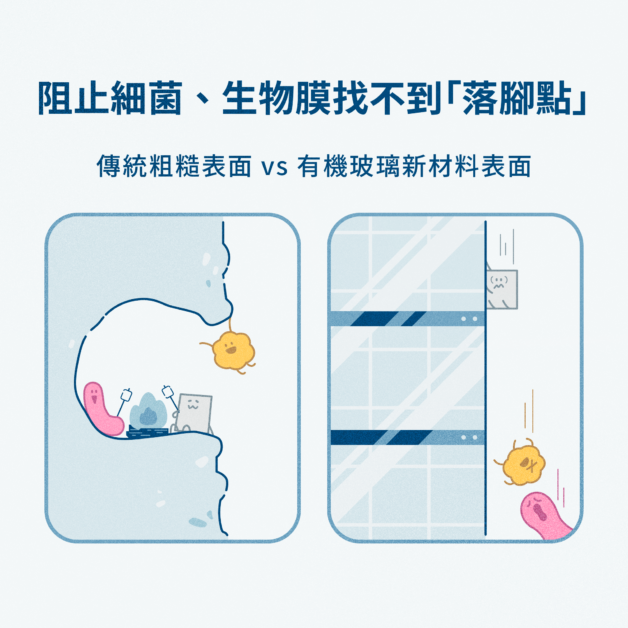
A La Uno 全自動洗淨馬桶採新開發的「有機玻璃系新素材」(以壓克力高分子為基礎研發的衛浴專用材料,這類高分子成形技術亦被廣泛運用於大型水族館高壓觀景窗與飛機機艙罩)。這種材料表面具備極佳的疏水性與耐水垢特性,水滴不易長時間攤平停留;材質堅固、不易破裂,耐刮、不易造成細小傷痕。通過實驗測試,這種素材配合泡沫洗淨,在沖洗後能有效沖刷掉高達 99.99% 的大腸桿菌,從源頭阻斷細菌定殖。
-----廣告,請繼續往下閱讀-----
2. 結構層:無接縫工藝與三重防濺防護
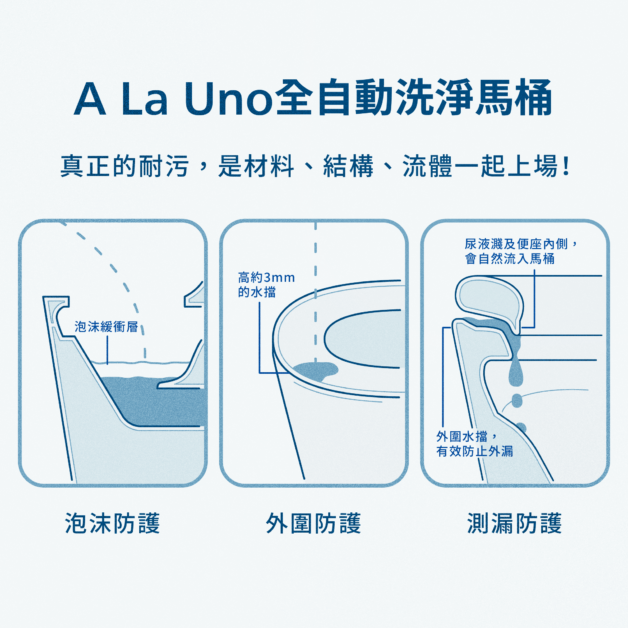
在宏觀結構上,A La Uno 全自動洗淨馬桶採用無水箱沖水與便器、溫水洗淨便座一體成型設計,減少傳統水箱與座體之間的結構層次及接縫,並搭配可動迴轉式排水系統完成沖洗。更貼心的是其「三重防護」設計:
泡沫防護:在水面上製造一層充沛的泡沫緩衝層,有效抑制男性站立小便時的尿液與污水飛濺;
外圍防護:馬桶邊界特別設計了高約 3mm 的水檔,防止液體延著外壁滴落至地板;
測漏防護:便座與馬桶本體採用不外露的防護設計,避免液體從縫隙飛濺滲漏。
Panasonic A La Uno 全自動洗淨馬桶
3. 動態流體層:雙效泡沫洗淨、漩渦水流與 nanoe™ X
當污垢降落在馬桶內壁時,A La Uno全自動洗淨馬桶 的動態流體科技便接手進行徹底打掃。其「雙效泡沫洗淨」會先釋放直徑約 5mm 的「毫米泡沫」包裹並帶走大塊髒污,再透過直徑約 60微米的「微米泡沫」深入微觀縫隙,徹底溶解殘餘的油脂與細微污垢。接著,配合高度清潔力的「漩渦型強力水流」,利用旋轉產生的流體剪切力,一口氣將附著力已被削弱的污垢剝離並沖走。此外,Panasonic A La Uno 全自動洗淨馬桶還搭襯了 nanoe™ X 健康科技,釋放氫氧離子有效抑制異味與髒污,維持空氣與內壁的良好衛生狀態。
名單上的第一位候選人,你可能並不陌生。如果你的家族中有人罹患第二型糖尿病,十之八九都聽過、甚至吃過這顆藥:二甲雙胍(Metformin)。它是一顆歷史悠久、價格低廉、在藥局極為常見的「老藥」。但就是這顆看似平凡無奇的降血糖藥,現在卻搖身一變,站上了全球抗老研究舞台的 C 位。一顆用來控制血糖的藥物,究竟是如何跨界成為抗老明星的呢?
為了解答這個問題,美國醫學界目前正在推動一個極具野心的計畫,名為 TAME(Targeting Aging with Metformin)的大型雙盲臨床試驗。這個試驗的獨特之處在於,它是有史以來第一個試圖讓美國食品藥物管理局(FDA)承認「衰老本身」可以作為藥物適應症的試驗。過去 FDA 只核准藥物用來治療「特定疾病」,如果 TAME 試驗成功,這將徹底顛覆現代醫學的法規與常識,成為醫學史上的重大里程碑。不過,如果二甲雙胍是屬於溫和防守派,醫學界是否還有更具攻擊性的王牌?
而 AI 的加入,更是徹底改變了抗老藥物的研發遊戲規則。過去找藥就像是「大海撈針」,科學家必須把成千上萬種化合物一種一種拿來測試,耗時數十年。現在,AI 正在把藥物開發變成一門「精準計算」的科學——強大的演算法可以在短時間內篩選數百萬種分子的 3D 結構,預測它們與人體抗老標靶結合的機率,直接在伺服器裡把長壽藥「算」出來。科學正在以我們難以想像的速度,把「長壽」從一種中彩券般的基因運氣,變成一種可以被精準管理的人體工程。然而,當科學的突破即將實現,我們是不是又將面臨一個嶄新的社會問題?
López-Otín C et al., “The Hallmarks of Aging,” Cell, 2013.
Swiss Re Institute, “Longevity and life sciences,” 2024.
Yu Z et al., “Metformin reduces aging-related leaky gut and improves cognitive function by decreasing the LPS level in cynomolgus monkeys,” Cell, 2024.
Barzilai N et al., “Metformin as a Tool to Target Aging,” Cell Metabolism, 2016.
Harrison DE et al., “Rapamycin fed late in life extends lifespan in genetically heterogeneous mice,” Nature, 2009.
Saxton RA & Sabatini DM, “mTOR Signaling in Growth, Metabolism, and Disease,” Cell, 2017.
Yoshino J et al., “NAD+ Intermediates: The Biology and Therapeutic Potential of NMN and NR,” Cell Metabolism, 2018.
Zhu Y et al., “New agents that target senescent cells,” Aging (Albany NY), 2017.