

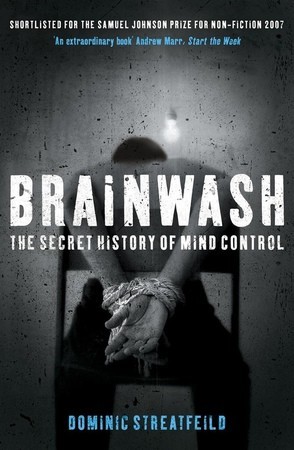
這是一部相當詳實的洗腦歷史書。裡面的內容雖然較為陳舊,但把過去很多懸案、很有爭議的歷史事件回顧了一次,帶領讀者思考「洗腦」是否真實存在。作者在最後的結論,明白透露出,刑求比洗腦有用多了。雖然刑求這件事是違反日內瓦公約的,但很多知名大國在背後都做過相同的事,如美國、英國等,他們不會承認做過這些違法情事。至今,美國中情局與英國軍情五處(MI5)仍持續見不得光的研究與實驗。
書中一一介紹各種洗腦方法,但每種方法後來其實都發現有瑕疵。根據中情局的研究,古老的自白藥中,最有效的三種分別為大麻、酒精、咖啡,我們到現在還在用。你看多少人上班之前先抽個煙,喝個咖啡,就知道上班似乎是永無止盡的刑罰。先把自己搞昏了,以求能度過漫漫長日。但不管是真實的實驗,還是自己當白老鼠,實際上效果並不好,因為「無法以這種方式,獲得毫無抑制的吐實」。自白藥說來也是不成功的「自白」,就像我們在上班時也不時說出真假難辨的話一般。
而另外一個匪夷所思的故事,是說明了「催眠犯案」的可能性。我們或許都知道催眠無法讓人違反善良風俗(例如想在大庭廣眾之下暗示一個被催眠的人洗澡,所以要他脫掉全身衣服;這當然不會成功。),無法用來強迫人做出反社會行為,更何況是催眠殺人。
但書中舉的這個故事相當引人入勝,在1951年的丹麥,Palle Hardrup跑去搶了銀行,在過程中殺了兩個員工。被抓之後,他陳述是受到先前的牢友Bjorn Nielsen的催眠才犯下這個案件。後來這個故事越滾越大、越編越誇張,Hardrup甚至說是「守護天使」,藉由X(也就是Nielsen)指示他去做這件事。
1954年,Nielsen因此被指控的三項罪名都被判有罪,兩人都需終身監禁。Hardrup 是待在精神病院中,Nielsen則關進戒備森嚴的監獄。兩人皆不斷上訴,希望申請特赦。後來在1966年12月Hardrup先被釋放,過了半年Nielsen也被釋放。
故事不會就這樣完結,最後總會有一個反高潮。就在大眾都以為此事是因「催眠殺人」而落幕時,Hardrup 1972年在接受報紙訪問中承認並沒有被催眠,也不是被催眠才犯案的。事實是,當警方提及這可能是催眠所導致的犯罪時,他才靈機一動想到,如果他同意這樣的說法或許可以脫困。
那Nielsen呢?在1976年夏天,Nielsen打電話給前妻,告訴她自己受不了自己聲名狼藉,找不到工作的現況。諷刺的是,被判定可以催眠別人去殺人的人,卻說服不了前妻他是真的想自殺;當晚Nielsen服用過量氰化物,陳屍於家中。
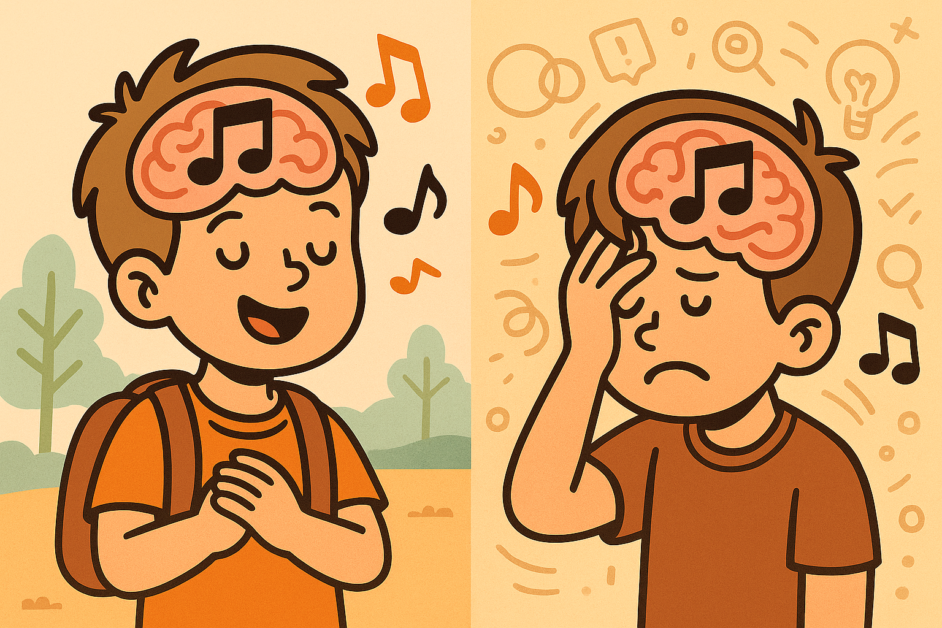
另一個是關於「重金屬音樂會觸發殺人」的故事:在1985,兩個年輕人聽了猶太祭司(Judas Priest)的經典專輯《黑心種族》(Stained Class)中的〈超越死亡之境〉(Beyond the Realms of Death)之後,拿了獵槍將自己轟掉。一個人當場死亡,另外一個在醫院中過了三年但最後還是以自殺告終。
這個案子發生後,原告家長認為唱片中有暗示性訊息,因而控告發行的哥倫比亞唱片公司與猶太祭司成員,案件進入冗長的法律攻防戰。這裡面又牽涉到心理學中很有名的「閾下知覺」實驗,唸過普心的人多多少少知道怎麼一回事。
這個知名的研究是這樣玩的,他們將「吃爆米花」與「喝可樂」的快閃訊息插在電影中,但觀眾並沒有實際看到它們。等到電影看完,發現爆米花與可樂的銷售大大增加了。這件事情在美國引起了巨大的風潮,各種「閾下產品」大行其道。
雖然後續越來越多研究證實「閾下訊息」並不可靠,無法真的使人做出什麼驚天動地的事情來。大家冷靜想想,若真的可以聽得到閾下訊息,那就不是閾下訊息了,因為你已經知覺到了。1992年,英國心理學會正式對閾下產品做出正式報告,「這些東西沒有效果,沒有證據顯示市售的閾下錄音對提升表現有任何實質效用……我們不建議購買」。
五年之後,法官終於做出判決,「也許閾下刺激可產生某些影響,但無法證明可以形成自殺這麼具體的效果」,因此哥倫比亞公司免去了鉅額的賠款。但另一方面也判定哥倫比亞公司罰款四萬美金,因為在訴訟過程中,這家大企業做了很多拖延、抹黑戰術,如未交出專輯母帶,拖延很久的時間之後,只繳出一首;聘用私家偵探抹黑原告律師;私下調查原告有憂鬱症的家族病史,並將結果散發給媒體。
(話說回來,我手上也有一張猶太祭司的錄音帶,我忘記專輯名稱了,不過我很確定它還躺在屏東老家的抽屜中。至今我還活著好好地,沒有受到不良影響。)
此書還說了很多故事,如暗黑精神醫學的艾文‧卡麥隆(Ewen D. Cameron)和威廉薩剛(William Sargant)、英國政府對北愛爾蘭做的壞事、新興宗教如何進行洗腦與對抗方如何反洗腦、如何讓人相信完全沒發生過的事。每一個篇章都相當精采,但也相當殘酷,裡面也談了很多不太人道的研究,現今想來仍舊令人覺得毛骨悚然。想看的人自己做好心理準備,這絕對是巨大的心靈衝擊。
參考文獻:
- Dominic Streatfeild(2012)。洗腦:操控心智的邪惡科學。台北:麥田。
本文轉載自作者部落格暗夜浮動月黃昏