


隨著暑假的來到,許多大學新鮮人開始期待嶄新的大學生活。像是活潑有趣的系學會、熱血沸騰的社團活動、或是一場轟轟烈烈的戀愛。其中,最令人興奮的莫過於宿舍生活。宿舍裡的室友可能來自四面八方,大家的生活習慣各不相同,難免會需要互相配合,特別是上廁所這回事。有些學校的宿舍,是一間房間配置一間衛浴,使用上十分方便,不需要走出房間就可以輕鬆如廁和盥洗。不過,也偶爾會發生同學們排泄物臭氣沖天,充斥整個房間的窘境 (苦笑) 。
許多人會選擇購買芳香劑或者除臭噴霧,避免自己有機會淪落到這個尷尬的情境。這些產品都主打能夠消除惡臭,達到淨化空氣的功效。不過,臭味到底是什麼?到底要如何被消除?
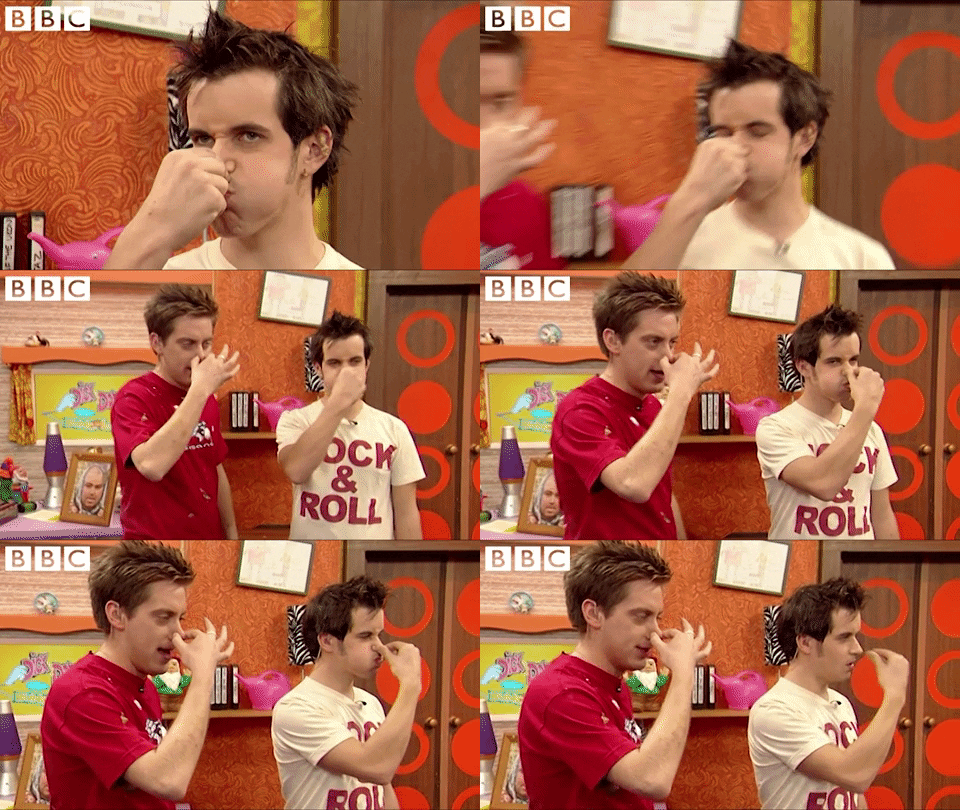
為什麽我們會覺得臭——臭味的形成
人體的嗅覺受體細胞 (olfactory receptor cell) 約有四千萬個,在鼻腔中負責傳遞氣味訊號給大腦。大腦中的杏仁核是掌管情緒最主要的部位。當我們聞到臭味,而且產生一些負面情緒的時候,是嗅覺受體細胞產生一系列的電位訊號給杏仁核,告訴大腦「聞到這種氣體會很不舒服」這件事。簡而言之,氣味容易牽動情緒,而臭氣分子通常具有特定的結構,帶給大腦「不愉快」的訊息,因此,我們就會定義帶有特定結構的氣體是「臭」的。

常見臭氣分子結構大解密
自然界的分子能榮登成為臭氣分子的原因非常多。除了分子本身需要具備良好的揮發性 (如果連揮發成氣體都有難度,那後面傳訊息給大腦的部分就不用玩了) 、分子結構要能夠和受體結合之外,最重要的是結構中具有孤電子對*。
孤電子對能刺激人類嗅覺,因此是形成臭氣分子最主要的因素。而氮 (N) 、硫(S)、鹵素 (F,Cl,Br,I) 等元素在形成分子時,通常是具備孤電子對的一方,因此時常在臭氣分子中見到。像是公共廁所中常聞到的尿騷味來源-阿摩尼亞(ammonia,分子式:NH3)、哺乳類動物糞便中的「屎味」-糞臭素 (skatole,分子式 : C9H9N )、在火山口或者溫泉旁能夠聞到的「硫磺味」來源-硫化氫(hydrogen sulfide,H2S )、新房子粉刷後聞到的「油漆味」來源-甲醛 ( formaldehyde,HCHO ),或者是去光水刺激的臭味來源-丙酮 ( acetone, 分子式 : C3H6O)。

不讓臭味影響心情,你需要除臭救星!
臭味帶給生活上非常多困擾,讓身心產生不愉悅的反應。由於產生臭氣的原因眾多,因此市面上販售各式各樣產品,希望能解決這樣的問題,而每一種產品都有各自的優缺點。
(一) 物理性除臭產品
- 芳香劑
市面上有些擴香、香水和固體的香膏等產品散發出濃厚的香氣,用來遮蓋環境中原本的惡臭。優點是在臭味不明顯時,不但能有效去除臭味,還能為環境增添一股芬芳,但是時間拉長之後,很容易造成兩種不同味道混雜在一起,變成另一種古怪的味道 QAQ。除此之外,已有文獻指出,芳香劑中的甲醇、甲醛等化學物質,長期吸入人體內可能會導致偏頭痛以及對呼吸道和皮膚等等的器官造成危害。 - 活性碳
活性碳是利用木材、椰子殼等有機物經由一系列物理和化學方法製成的孔洞材料,吸附力非常強,能夠去除空氣中的臭氣分子,也常用於減少水中難分解的物質。它的好處在於對人體的傷害較低,而且對廣泛的分子都能有效的吸附。不過,當活性碳中的孔洞達到飽和狀態時,除臭效果就大打折扣。
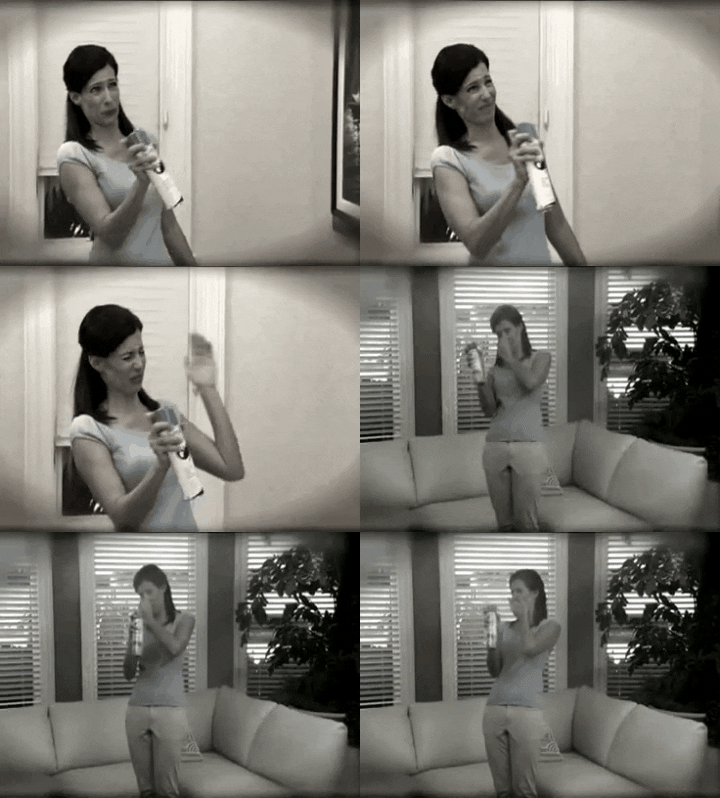
(二) 化學性除臭產品
- 液體噴霧
臭氣產生的機制非常多,可能是來自細菌代謝後的產物,或者是物質經由氧化還原,變質之後產生的氣味等等,因此,為了同時消除多種途徑產生的臭氣,有些液體噴霧包含抗菌劑、香料、氧化劑、還原劑等,經由噴灑之後,可同時而且快速達到抑制細菌、遮蓋臭味、分解臭味分子的功效。不過,雖然液體噴霧能夠應付多種臭氣,但是並不能維持非常久的時間,因此,長期使用下來成本非常高。
雖然有些人會選擇事先告知室友們,即將要「上廁所」。不過,聞到臭味時,心情難免都會受到影響。大家可以根據自己的需求以及考量,去選擇除臭產品,也為自己減少尷尬的機會。
注釋
*孤電子對 (lone pair) : 一個原子和另一個原子形成鍵結時,沒有參與鍵結的電子。存在於原子最外殼層。
參考資料
- Genva, M., Kenne Kemene, T., Deleu, M., Lins, L., & Fauconnier, M. L. (2019). Is It Possible to Predict the Odor of a Molecule on the Basis of its Structure?. International journal of molecular sciences, 20(12),3018.
- Steinemann, A. (2017). Health and societal effects from exposure to fragranced consumer products. Preventive Medicine Reports, 5, 45–47.
- 一「嗅」萬千的巧妙
- 陳玟妏(2006)。高雄市臭味調查及改善 (碩士論文)。
- 周明顯(2005)。環境臭味及控制,科學發展,2005 年 3 月,387期。
- 蘇裕昌(2004)。生活環境中主要的臭味成分及臭味的去除。紙漿技術,Vol 18,No. 1。















-200x200.jpg)
 狐禪
狐禪-85x85.jpg) 胡中行
胡中行


