
- 作者/西摩爾.派普特 (Seymour Papert);譯者/張安昇、駱莊奇
- 在上一篇《想像力是你的超能力,電腦科技開啟你的無限可能——《思維風暴》引言(上)》中,隨著科技進步,電腦已成為你我生活中不可或缺的工具。接下來,我們還能如何將電腦應用在生活中?
想到數學就頭昏腦脹,還能不能好好學習?
在本書裡,我們將用數學國這個比喻,來破除一些對人類能力根深蒂固的迷思。一般來說年紀太小的兒童被認為無法學習形式幾何,甚至大部分人永遠也學不好。其實這個情況跟學習法文很類似。
我們不能用學生在美語環境學不好法文,來得出兒童無法學習法文的結論,因為所有正常在法國生長的兒童,當然都能學好母語。我推測,所謂的「形式」或者「數學」,對於一個從小在電腦程式環境下長大的小孩,都不會特別困難。

數學其實是一個例子,用來展示科技與社會的交錯作用,如何改變人類對自身的認知。在數學的框架之下,我們可以看到不同學習方法明顯的好壞。
皮亞傑將兒童視作「自身知識體系的建構者」,他觀察到兒童天生有很強的學習能力,在去學校之前已經學習到非常多的東西,我稱之為「皮亞傑式學習」,或者「沒有老師的學習」。舉例來說,兒童學習說話,學習生活所需的直觀幾何概念,學習如何說話擺佈家長,都不需要「被教導」。
我們必須問為什麼有些學習發生得如此自然,而其他學習則如此滯後甚至必須靠正規的教學才會發生。
其實答案就藏在皮亞傑所說的這句話:「兒童是知識體系的建構者」,所有的建構者都需要「素材」,我在皮亞傑的理論之上提出「週遭環境」是主要的「素材」來源。舉例來說「刀叉」、「父母」、「鞋襪」,這些成對出現的事物,都是構建數字概念的重要來源。
在許多的例子之中,皮亞傑以複雜度或是形式化程度來解釋兒童對某些觀念學習較慢,我的看法並不一樣,我認為如果週遭有恰當的文化,這些觀念就能被簡單而且具體地解釋清楚。在數學的例子中,形式數學的素材本來就少,還面臨周遭文化的阻力。當代文化中的數學恐懼症讓人們一聽到「數學」就產生抗拒學習的心理,即使他們在不自覺中也學習並使用了很多數學概念。
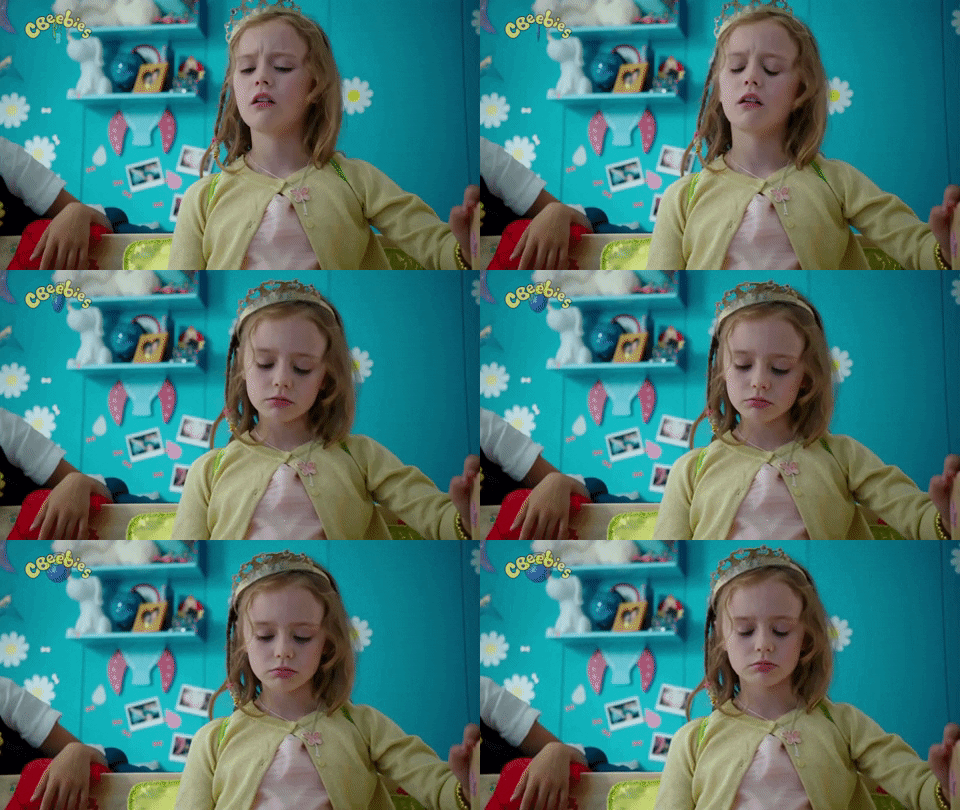
我們將會一再地看到數學恐懼症的影響已經深刻阻礙個人學習數學和科學,伴隨著其它慢性的「文化毒素」,例如性向測驗理論,人們對自己的學習能力失去信心。
在數學課上受挫只是一連串自我定義的第一步,人們將自己定義為「擅長/不擅長數學」、「擅長藝術/不擅長藝術」、「擅長音樂/不擅長音樂」、「思考深刻/膚淺」、「聰明/愚笨」。這些缺點稱為自我認知的一部分,而學習從小時的自由探索轉化為被不安全感以及自我設限圍繞住的例行雜務。
我們如何思考與學習的?
我對電腦與教育的研究是基於以下兩大主題——兒童如何精通電腦;兒童精通電腦這件事,如何改變他們對其它事情的學習。
在過去的十年中,我相當幸運地與 MIT 的同事與學生(人工智能實驗室的 LOGO 小組)一同創造了一個提供兒童學習如何跟電腦溝通的環境。我們這段工作中持續使用模仿兒童語言學習的比喻,這使得我們對教育的願景以及對教育的學術研究與別人差異甚大。
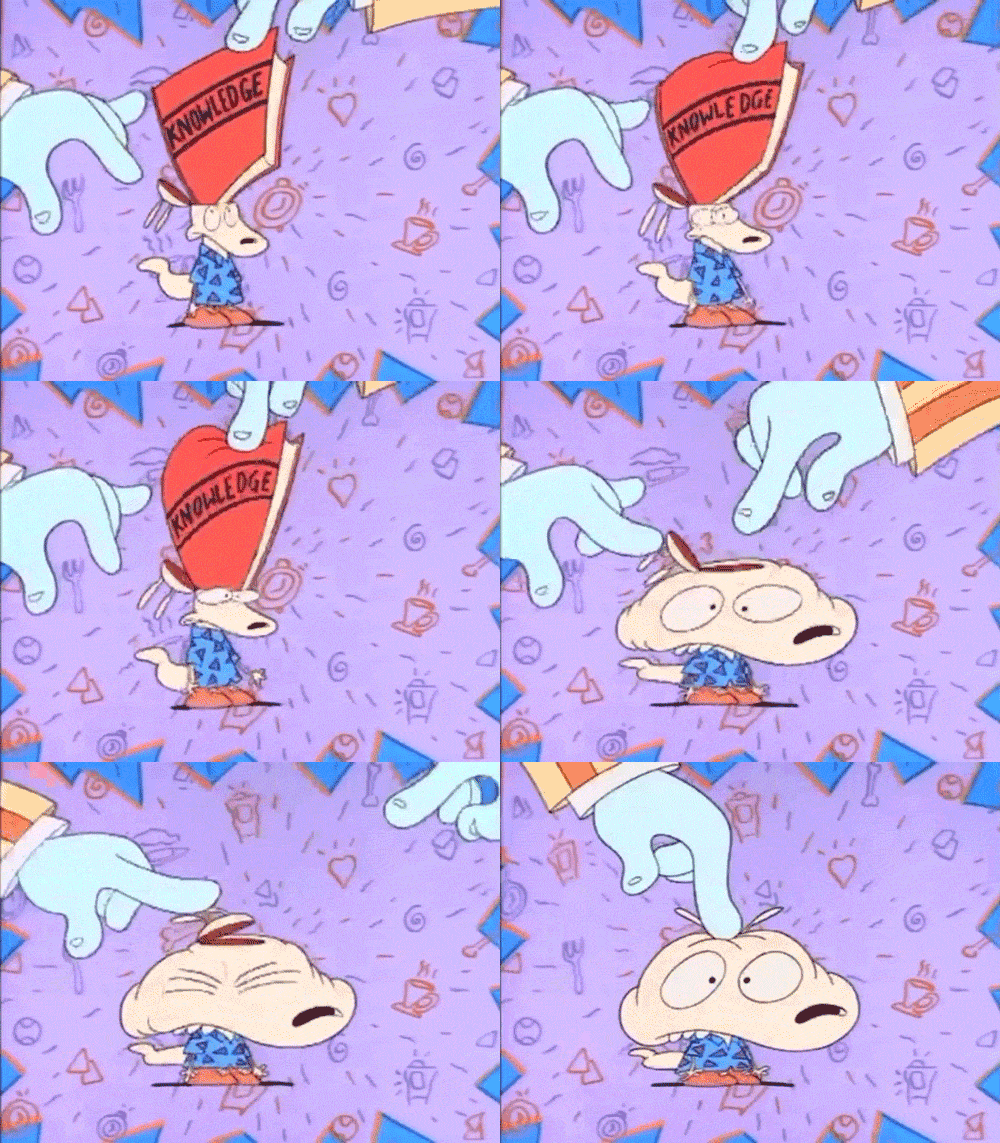
對在教育行業的人而言,「教育」往往意味著「授課」,特別是在教室上課,所以教育研究的目標一般來說會聚焦在如何改善課堂授課上。但兒童不需要刻意以及組織過的授課過程,也能把自然語言學好。如果我們認真看待這件事,並且把它當作是成功的學習典範,我們會得到非常不一樣的目標。
我認為教室是個刻意以及低效的學習環境,是因非正式教育在寫作、文法、以及數學,這幾項核心學習領域的失敗,被迫發明出來的。我相信電腦的出現將會大幅改善教室之外的學習環境,學生將能在非正式環境中,如同自然有效地學習語言一般,學習在課堂上費很大功夫也教不好的東西。這似乎暗示著,我們所知的學校,在未來將不復存在。然而學校是否能改變自身適應新環境或是被取代,我們把這個問題留在第八章討論。
雖然我的願景要依賴技術實踐,我看重的並不是技術,我更在乎的是人,是人如何重新定義新的教育文化並加以疊代。
在我的想像之中,電腦在未來扮演的是文化「種子」或是「胚芽」的類似啟迪者的角色,當有人受到機器啟發最終形成智慧後,這些智慧並不屬於線上的智慧,一斷網就消失了。
讓我舉例來說明,很多展現數學天分的小孩,並不是因為天賦異稟,而是因為在充滿數學環境下耳濡目染長大的結果,這些週遭「說數學語言」的大人給了孩子「數學文化的胚芽」,我的意思並不是指這些人會解聯立方程式,而是這些人說話的方式,也許是充滿邏輯論證的方式,經常拿解謎、雙關語、矛盾來開玩笑,甚至如同莫里哀《紳士夢》(Le Bourgeois gentilhomme)中半調子裝模作樣的儒爾丹先生。
而數學學習困難的小孩很可能是生長在一個周遭欠佳的環境,周圍大人並不說「數學語言」,當這些小孩進學校,與其他人相比他們缺少了必要的預備知識,學校無法補充的元素,這些兒童被迫學一些學不會的東西,最終形成了一個惡性循環。這不僅僅是個人的失敗,數學恐懼症將如同疫病一般傳播給他們的下一代。
幸運的是我將展示如何用電腦打破這惡性循環,但又不至於離不開電腦。我的論證與一般空洞的「先天後天」的學習論差異最大之處,在於我更在乎具體的問題解答,以及要如何從家庭至社會中實踐。
因此,這本書說到底是在解釋一個人的年幼心靈是如何被文化、思想方法、觀念形塑而成。
我並不想泛泛而論,因此我特別從最熟悉的事物入手,也就是我個人發展的歷程,我這麼做並不是意味著人人都該仿效我的個人發展,而是我認為了解「學習」必須從特例著手,之後再擔心如何抽象化。
你不能嚴肅的思考思考本身,你只能思考你是如何對某參照物思考(You can’t think seriously about thinking without thinking about thinking about something)。而就我個人而言,我真正了解的就是數學,因此雖然這本書充滿數學,它並不是數學專家的研究數學思想之作,而是要回答一般人究竟是如何思考以及學習的。
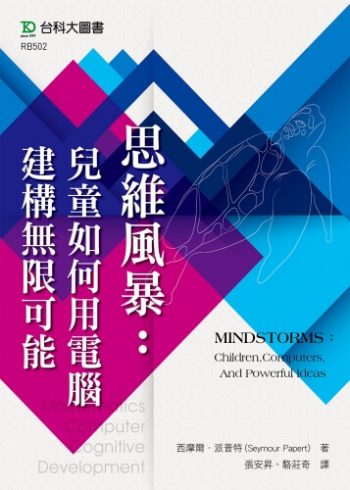 ——本書摘自《MINDSTORMS:Children,Computers,And Powerful Ideas 思維風暴:兒童如何用電腦建構無限可能》,2020 年 3 月,台科大圖書。