
現在走進大學教室或企業會議室,可以發現越來越多人選擇使用筆記型電腦或平板電腦作筆記,進行一個「舉頭望台前,低頭忙打字」的動作。乍看之下,不論是方便取得的數位教材、易於協作與分享的線上文件,還是可迅速查找更多資料的搜尋引擎,電子產品似乎比傳統的紙筆更讓學習效果加分。但,真的是這樣嗎?
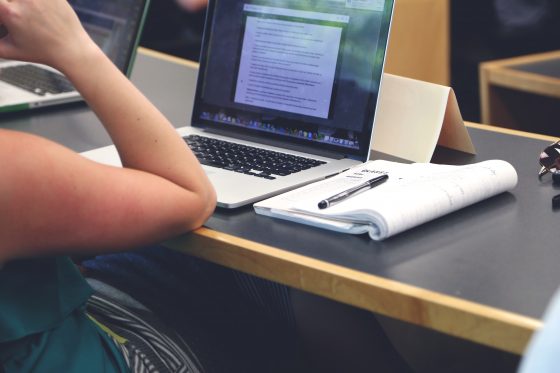
密西根大學的蘇珊.迪納爾斯基(Susan Dynarski)教授近期投書紐約時報,解釋他為何基本上禁止學生在自己課上使用任一種電子產品:越來越多研究顯示,大學生在課堂上使用筆電或平板等電子產品,學習成效與成績反而變差了,因為筆電不只讓使用者無法專心學習,還會連帶影響到周圍的人。
當抄筆記抄得不加思索之時…
當然每個人用筆電的習慣不太一樣,那種趁機偷懶,上課沒事玩個接龍或連上不相關網頁的學生就別提了,還是有超認真的學生,只會用筆電作筆記、閱讀與課堂內容有關的資料吧?所以為了避免實驗結果出現「選擇性偏差」,研究人員需要隨機指派某些學生使用筆電,藉此明確比對使用筆電者與不使用筆電者的差別。
普林斯頓大學與加州大學洛杉磯分校在 2014 年就設計過一個實驗,他們隨機分配筆電或紙筆給學生做課堂筆記。然後根據考試的成績,使用筆電的學生對上課內容的理解度較差。
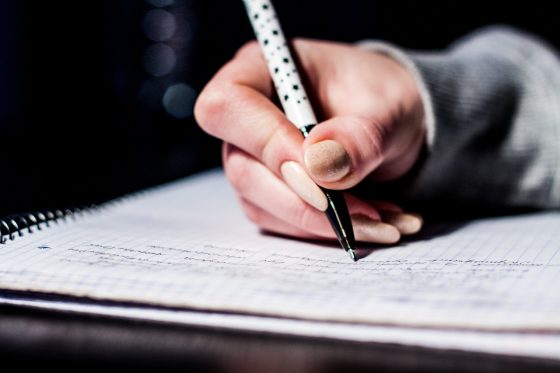
研究人員推測原因在於「打字比手寫快」:當學生用紙筆做筆記時,通常無法把老師說的每一個字都抄下,因此大腦得多花點工夫消化吸收,再把聽到的大量內容濃縮成筆下的文字。但敲鍵盤就不一樣了,學生幾乎想都不用想,就來得及把上課內容通通打成電子檔。可以說筆電組學生的筆記幾乎是老師授課的講稿版,而紙筆組的筆記則偏向課程摘要,字數更精簡,但重點也更清楚。
使用筆電的「群體傷害技能」
筆電對課堂的影響還不只這些,加拿大約克大學(York University)與麥馬士達大學(McMaster University)的研究更發現,筆電擁有「群體傷害技能」(誤)。研究人員特別要求班上一部分的學生利用筆電開小差,例如課上到一半就看看無關的影片,這些學生課後記住的內容理所當然的較少,但有趣的是,坐在這些學生周圍的同學學習成效也受到負面影響。
原因在於,坐在附近的同學只要瞄到筆電螢幕,注意力就會被拉走,不論上頭顯示著單純的課程筆記,又或是臉書、購物網站、YouTube 等比上課有趣,咳,無關緊要的內容。
看到這裡,你可能想問:「如果學生整學期都很認真用筆電上課、都不打混,這樣也不行嗎?」
來看看美國西點軍校的例子吧,這些軍校學生的在校成績會高度影響畢業後的工作狀況,有很強烈的理由要專心上課、拿到好成績的壓力。該校的教授們選擇在一堂小班制的經濟學概論課進行筆電使用行為研究。學生被隨機分配了自由使用電子產品、不准用電子產品,以及如果把平板電腦放在桌面,方便教授監督就可以使用等三種條件。到了學期末尾,猜猜結果怎麼樣?班上使用筆電與平板電腦的學生整體來說成績比不准使用電子產品的學生差。
如果在小班制課上使用筆電都會導致負面的學習狀況,那種上百人一起聽課的大型課上,學生受筆電影響而分心的狀況或許只會更嚴重。
最後,迪納爾斯基教授給數位產品愛好者一點建議,其實現在有些手機 App 能把(筆記的)照片檔轉成文字檔,或是使用能把手寫文字同步儲存成電子檔的高科技筆記本也能達到類似的檔案數位化效果,甚至上課手抄一份筆記,課後再打成電子檔,不是更能加深記憶,增進學習印象嗎?未來想確保學習成效,是時候收起你的筆電或平板,乖乖帶著紙筆進教室吧!
相關文獻:
- Psychol Sci. 2014 Jun;25(6):1159-68. doi: 10.1177/0956797614524581. Epub 2014 Apr 23. The pen is mightier than the keyboard: advantages of longhand over laptop note taking.
- Laptop multitasking hinders classroom learning for both users and nearby peers, 2013 Article. Bibliometrics Data Bibliometrics.
- The Impact of Computer Usage on Academic Performance: Evidence from a Randomized Trial at the United States Military Academy. New Findings, School Reform, May 2016.
參考資料:
- Laptops Are Great. But Not During a Lecture or a Meeting. The New York Time. [Nov 22, 2017]