
- 本文轉載自 LIS情境科學教材
他是江振誠 Chef Andre,「全台最難訂位餐廳」 RAW 的創辦人,也是史上唯一橫跨米其林、世界50大及全球百大名廚榜的華人名廚。
在旅居國外多年後,2014 年他回到故鄉,以餐廳作為媒介,讓世界看見台灣。這些年 Chef Andre 也投身教育,回台傳承所學,培育更多世界級華人廚師是他在料理之外的職志。關於主廚的成長故事與教育觀點,邀請你一起往下閱讀>>>

學習的動機是有著想要到達的遠方
「十三歲的我,認為全世界最頂尖的料理是中餐、日本料理、法國料理」,亦為料理家的母親會做中餐,在日本也有著自己的餐廳,因此「法國料理」成為 Chef Andre 心中最遙不可及、最難觸碰到的殿堂。
因為有著「想要到達的遠方」, 主廚在「到達的過程」中默默撿起了許多能力,比方精通法語、英語…等多國語言,這些學習的初衷都很單純,可能是為了看懂各國食譜、撰寫一份投遞法國高檔餐廳的工作履歷、順暢地和廚房同事溝通,而這些不同面向的學習都是幫助主廚完成心之所向的工具。
一位從來沒有遇過挫折的主廚
問起 Chef Andre 的成長和主廚養成過程是否遇過挫折,主廚想了一下,堅定的回答:「沒有」。
他進一步說明,沒有的原因是想要確認「我們對挫折的定義是什麼?」
Chef Andre 分享在他的團隊裡面有個不成文的文化,「我們從不說 problem,problem 這個詞彙意味著這件事沒辦法解解決,我們會說:Chef we have a challenge,以挑戰來看待每一個迎來的困難和不如意。
語言的使用巧妙的反應著 Chef Andre 的人生觀,藉由有意識的揀選語言,潛移默化團隊看待挫折的心態。「當我們有個一定要到達的方向,有著要把事情解決的共識,這些困難都只是過程中的一部分,而挑戰帶我們觸碰從未有過的高度,也代表著我們正在升級!」主廚分享。
從廚房走進學校,養成台灣需要的料理人
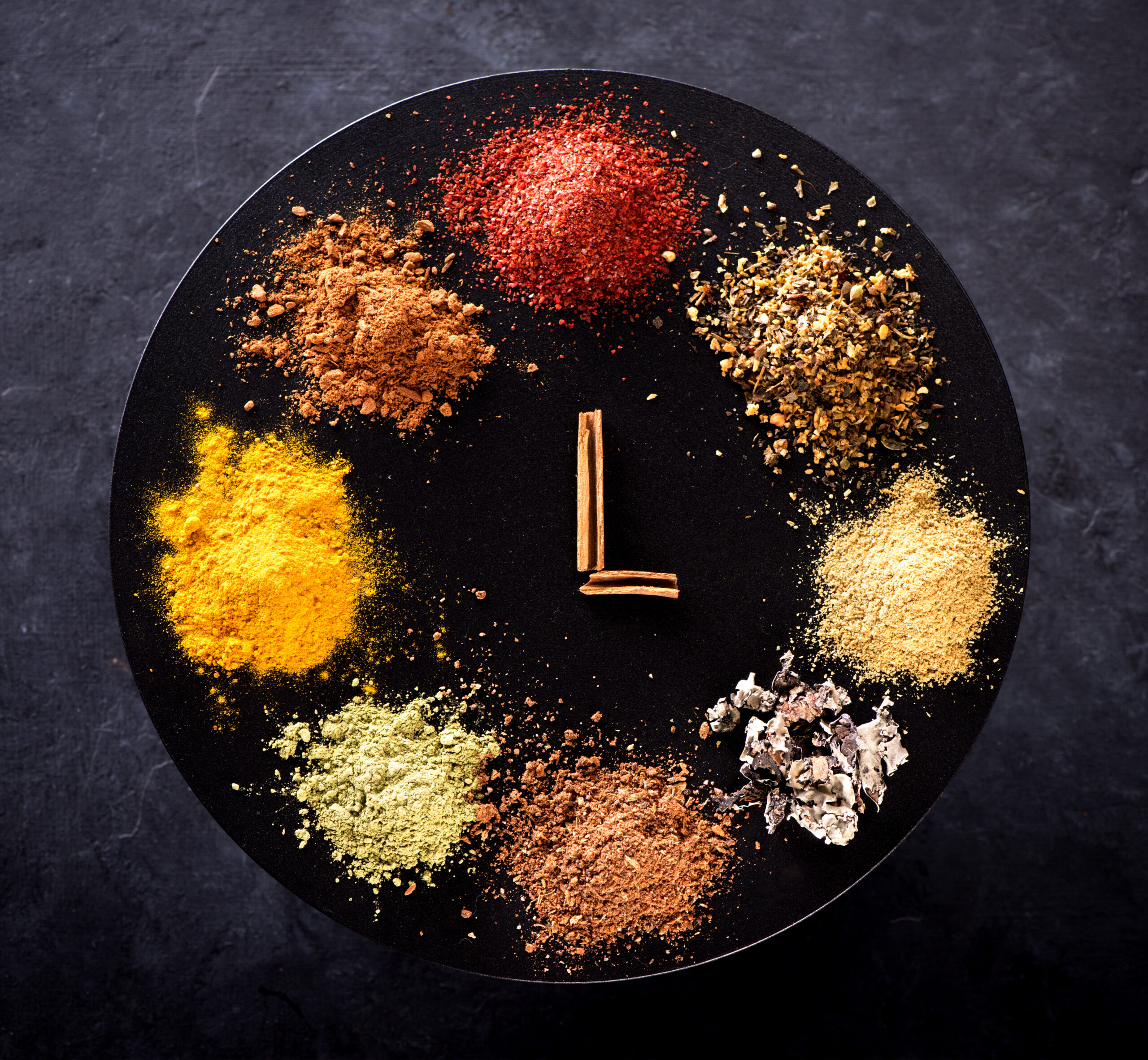
旅居國外 20 多年的 Chef Andre ,回台後看見家鄉對「新世代料理人」養成的缺乏,開始從廚房走進校園。主廚提到開始教學的這七年來,他從未在課堂上拿過一鍋一鏟,「我想要教的是新一代料理人需要具備的能力,我教的是顏色、是創意、是計算、是邏輯」,現在的料理產業已異於過往,在越來越多微型創業興起的年代,餐飲教育有沒有讓著些年輕人具備面對現實環境中帶得走且用得上的能力?是 Chef Andre 想帶進台灣餐飲教育的反思,也想藉此提醒所有的教育系統「我們的教育是否貼近環境」,「以終為始」的看待學生缺乏和需要的是什麼。
我們希望孩子學會思考,卻未留有讓他們有思考的空間
這些年 Chef Andre 成為食育傳道者,他回憶曾在一場演講遇上滿場來自全台餐飲教育的老師,老師們好奇地問「該如何做到改變餐飲教育的第一步」。
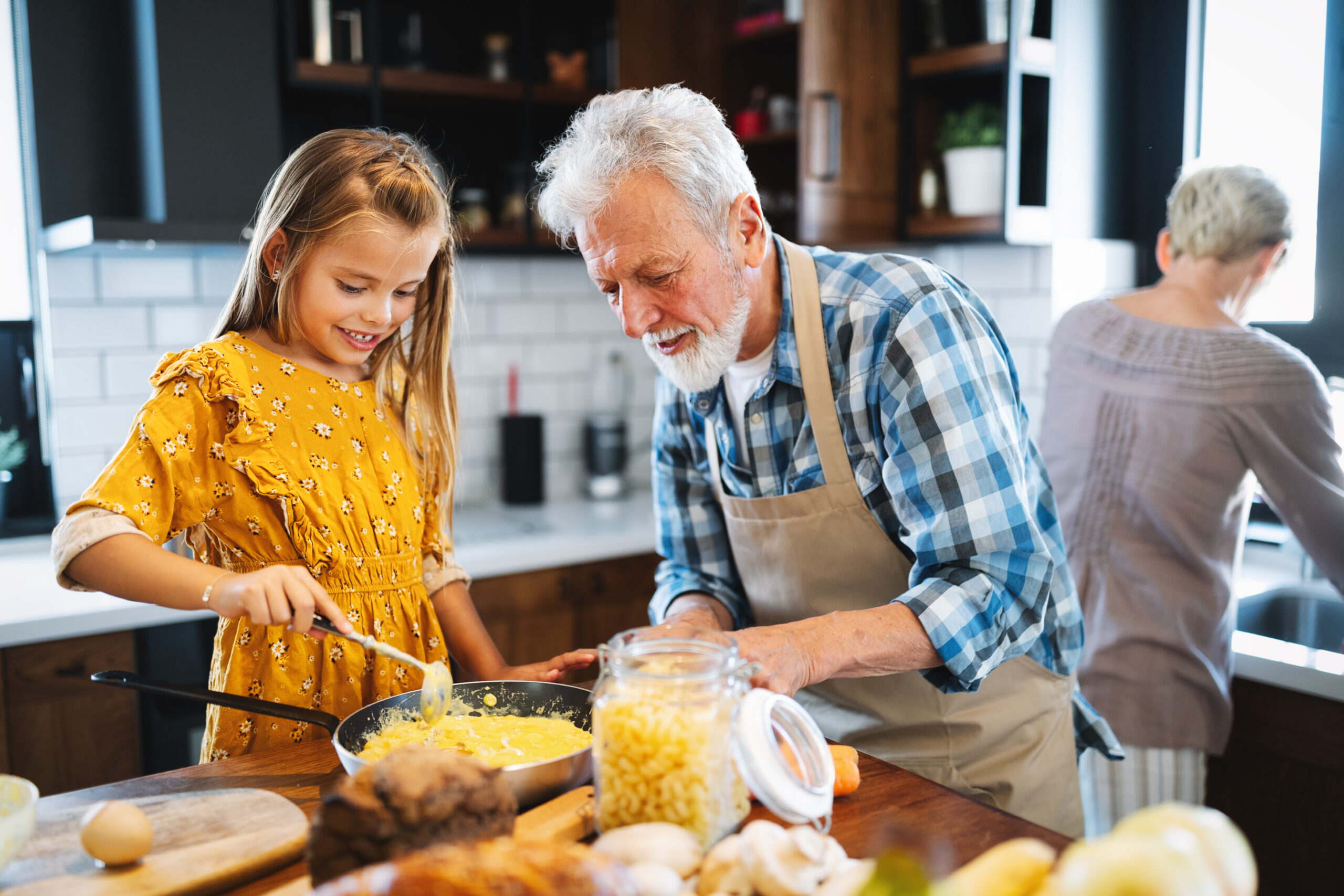
我的建議會是:「讓學生學會『定義』這件事!我們不是教學生做出最好吃料理的完美答案,而是讓他們自由定義什麼才是好吃。」主廚以更具體的方式解釋:當我們教小朋友做肉丸,不是去找業界得過最多獎的肉丸達人,告訴大家最好吃的肉丸應該怎麼做,而是讓每一個人去自由定義「我的好吃該是什麼樣子」,是蒸的、炸的,是加香菜、還是加蒜頭。
「這個答案應該是向內挖,而不是硬塞的」,當學生開始用不一樣的角度去問問題,思考就會隨之啟動。我們常常希望孩子們具備獨立思考的能力,但在教育中往往忘了保留任由孩子自由定義答案的空間。
響應本次「LIS第二季大科學計劃」, Chef Andre 分享給我們的大科學人宣言:
❛❛ 科學的精神在於「沒有不可能」,當想法尚未被推翻前,所有都是可能的 ❜❜ ── Chef Andre Chiang
這句話同時體現了 Chef Andre 的處事哲學,當我們有著想要前進的方向,所有遇上的難題都只會是 Challenge 而非 Problem !
邀請您一同成為各行各業中的大科學人,您的捐款將支持「科學公益教材」的穩定開發,一起支持台灣科學教育,讓孩子從小開始像「科學家一樣思考」,帶著自信長大成為各行各業中「永保好奇」、「邏輯思辨」的大科學人!
【LIS 大科學計畫 ✦ 第二季】|
❛ 教育不只是老師的事,這是我們的任務,下一個世代的科學史,現在就得開始寫起! ❜
每月小額捐款,就能支持全台十萬名孩子都期待的科學教材:https://bit.ly/3f1W42s

 狐禪
狐禪