2022/3/10 更新: 雖然本次案例中的豬心移植並未發生超級排斥反應,可謂跨過一大門檻。有了豬心,甚至讓貝內特得以回家與家人共度時光。但在進行手術兩個月後,他的病情仍舊惡化,近日報導傳出貝內特於 2022 年 3 月 8 日死亡。 目前確切的死因仍舊不明,尚待團隊發表調查結果。
2022 年 1 月,COVID-19 疫情陰影之下,器官移植的技術翻過了重大的一頁。美國馬里蘭大學宣布完成首例基改豬心移植人體的手術,至目前為止,患者尚未出現排斥現象,也創下心臟「異種移植」(Xenotransplantation)在人類身上成功的首例。
救人性命的「器官移植」面臨哪些挑戰?
細胞、組織、器官、系統,這是我們在學習人體構造的時候就耳熟能詳的層級概念。如果將動物體視作一個密切協作的機械,那麼各個器官就會像是其中的關鍵零件:心臟主要輸送血液到全身上下,肺臟從事氣體交換,腎臟將血液的雜質濾出製成尿液,肝臟則主司代謝調控身體中的各種物質。這些器官只要有一個失去功能,就會導致生物體的死亡。但既然是「零件」,現今的醫學已經可以在一定的程度上做到「更換零件」,讓生命延續下去──也就是「器官移植」。

在台灣,自從 1968 年台大醫學院李俊仁教授完成亞洲第一例活體腎臟移植手術,開啟器官移植的新頁迄今,器官的捐贈與移植已經一路擴展到心臟、肺臟、肝臟、胰臟、腸。雖然我們將器官移植比喻為換零件,然而實質上器官移植所要克服的難關,遠比機械換零件要嚴苛、複雜許多。
首先第一道難關,就是「器官排斥」。人體的免疫系統會辨識外來物質。在大多數的情況下,這些外來物屬於會讓身體生病的「病原體」,而免疫系統的工作便是不管是細菌、病毒、寄生蟲,一律加以攻擊,避免進一步感染。因此,移植時放入的器官,也會被免疫系統視作「外來物」攻擊。這樣的反應,就是一般所說的「移植排斥」(transplant rejection)或是器官排斥。
一般來說,器官移植之前,會進行幾項配對檢測,包括 ABO 血型、組織抗原(major histocompatibility complex,MHC)交叉試驗,以盡可能找到合適的配對、減少免疫反應發生的機率與嚴重程度 [註1]。而即使經過這些配對檢測,器官的受贈者也需終身服用「抗排斥藥物」免疫抑制劑,抑制原有的免疫反應,在器官排斥與外來感染間取得平衡。
此外,器官移植的另一道難關,就是如何取得合適的器官。隨著器官移植的技術發展,肝臟與腎臟尚有機會接受活體捐贈,但如心臟等器官,卻必須來自腦死判定的捐贈者,數量稀少且不穩定。以台灣 2020 年統計,共有 79 例心臟捐贈,然而全台等待移植者接近 200 人,許多患者只能坐等時間流逝,寄望大愛的遺贈能有機會降臨,拯救自己一命。
捐贈的器官不夠,以至於許多病人在等待的過程中逐步邁向死亡,這也是為什麼人們把腦筋動到其他動物身上,尤其是豬。
使用豬作為器官來源有哪些缺優點?
事實上,異種移植完全不是什麼新概念,人類利用動物製劑作為醫療材料已經超過百年。早在 1930 年代,我們就使用豬胰島素治療糖尿病;而使用豬的心臟瓣膜來修補瓣膜出現問題的人心,也已經有幾十年的歷史。然而,如前面所述,人與人之間的器官尚且有排斥的情況,更何況來自豬或者狒狒的器官,其表面的組織抗原跟人體差異更大,排斥反應會更劇烈、更難以抑制。
可是,使用豬隻作為器官來源,仍有許多優點。靈長類動物(如黑猩猩或狒狒)與人的親緣較為接近,但其飼養與繁殖相對於豬困難許多,而且靈長類多為保育類,存在更多倫理上的限制。此外,豬在生理與解剖結構上與人類足夠接近,扣除排斥的問題,豬隻的器官相當有機會勝任維繫人體功能的角色。
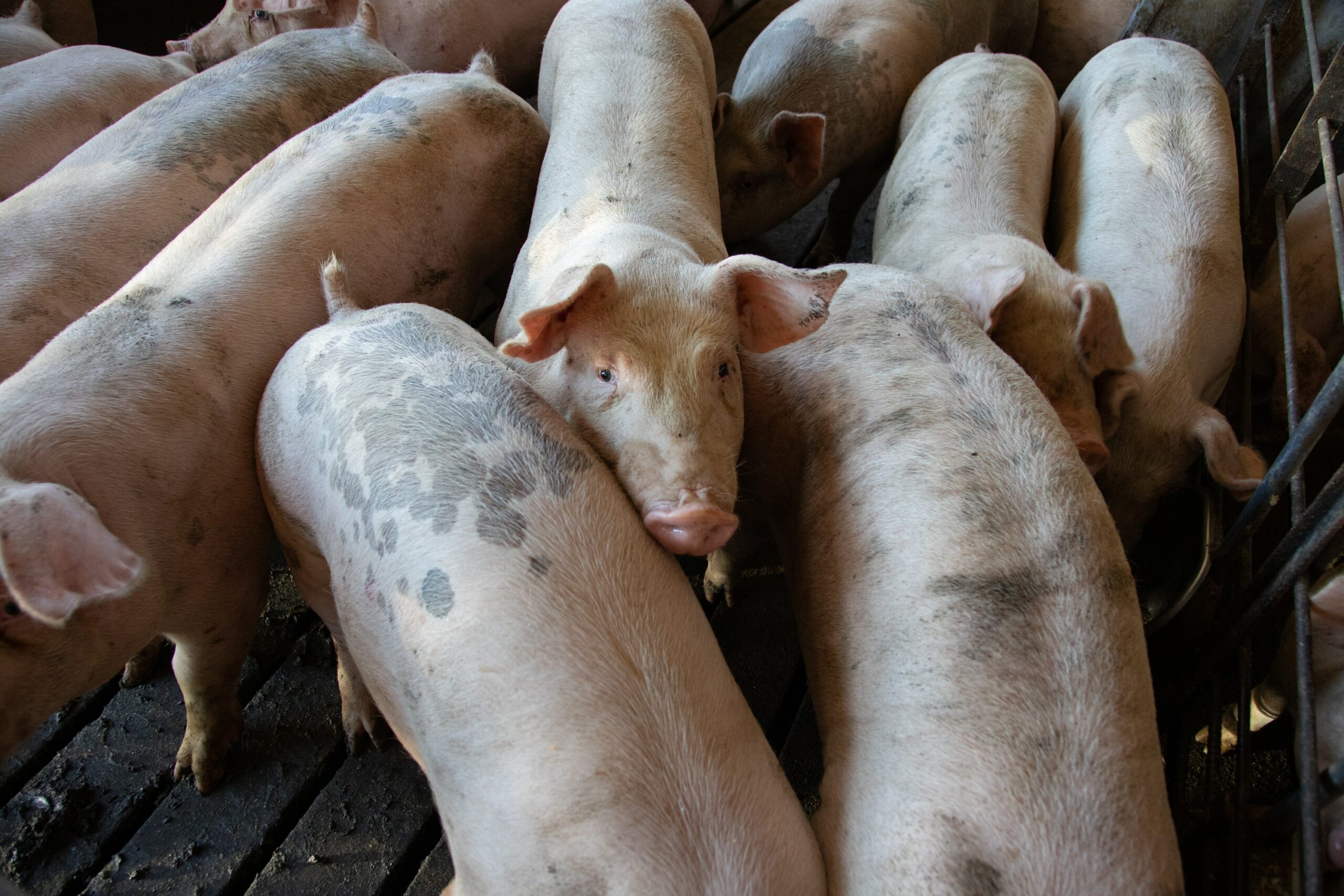
因此,長久以來豬隻基因改造(genetic modification, GM)的一個重要議題,就是如何使其更「人類化」,以避免排斥 [註2]。隨著對基因體表現的瞭解逐年深入,加上近十年來 CRISPR 技術發展,因應器官移植需求而打造的「基因編輯豬」,從科幻構想,一躍而成為發展中的現實。
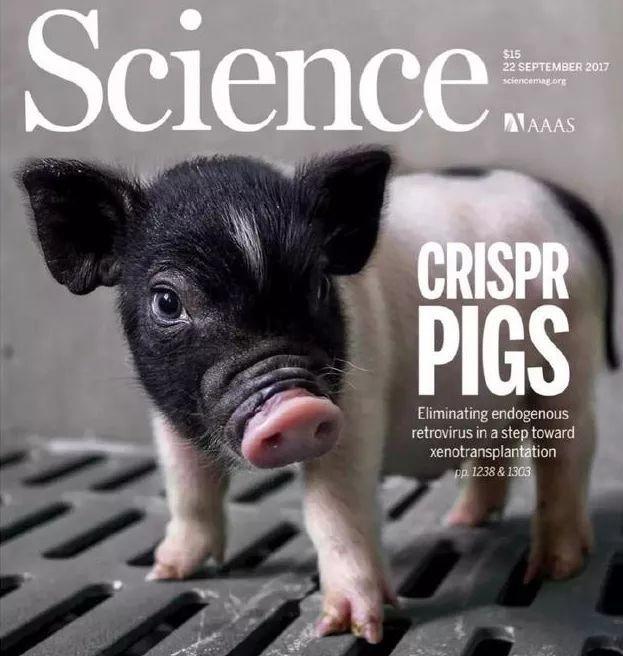
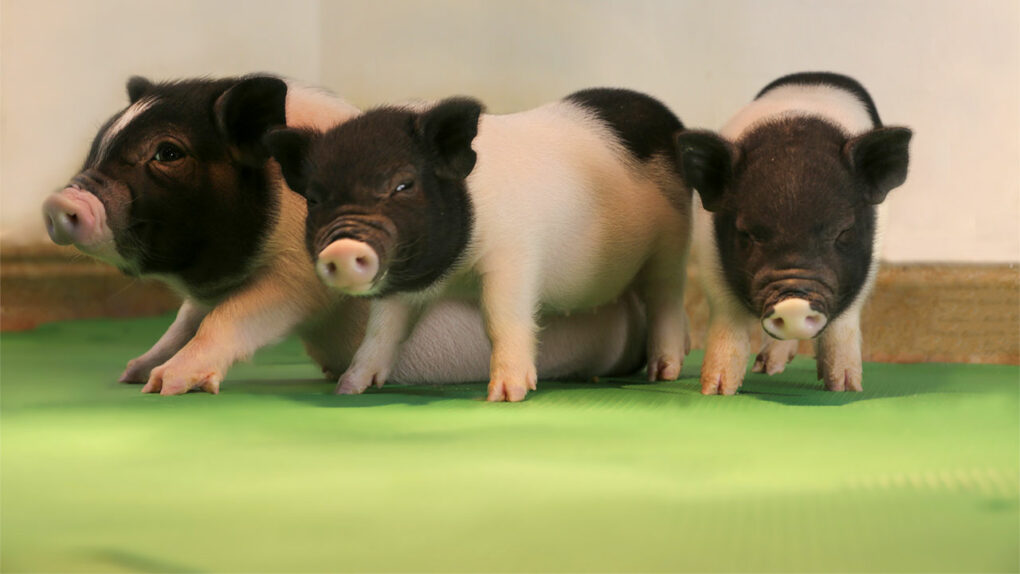
現階段,有許多團隊都在發展供器官移植的基因改造豬,除了聯合治療公司(United Therapeutics)以外,還包括 eGenesis 研發的無豬內源性反轉錄病毒(PERV)豬、紐西蘭 NZeno 的迷你豬等,或許還有更多尚未浮現檯面的團隊。
第一例豬心移植可以告訴我們的事
2022 年 1 月 7 日,57 歲的大衛.貝內特(David Bennett)在馬里蘭大學醫學中心(UMMC)成功獲移植了一顆經基因改造的豬心,這顆豬心來自聯合治療公司旗下的生技公司 Revivicor 的基因改造豬。這個系列的基因改造豬有 10 個基因位點經過改造,其中剔除了 3 個豬原有的基因,以免引發人體免疫反應,然後加入 6 個人類基因,讓身體願意接受外來器官,最後一個改造則讓豬心不會對生長激素持續反應,讓心臟可以維持在人體所需的大小。
在此之前(2021 年),紐約大學朗格尼醫學中心(NYU Langone Medical Center)曾將同系列豬隻的腎臟接到兩位已被判定腦死的病人身上,確認了豬腎可以在人身上運作,不但沒有發生排斥反應,而且代謝運作良好。相關研究人員曾進一步向美國 FDA 申請進行豬心的臨床試驗,但是遭到駁回。根據馬里蘭大學醫學中心移植小組外科醫師曼蘇爾.莫希丁(Muhammad Mohiuddin)的說法,團隊被要求先完成 10 次豬心移植到狒狒身上的實驗,才可以進一步進行人體試驗。以靈長類動物如狒狒作為移植模型,以瞭解潛在的副作用與改進之道,是這類研究常見的作法。2000 年國際心肺移植學會(ISHLT)曾提出綱要,認為接受移植的靈長類動物需有 60% 存活超過 3 個月,存活個體至少 10 隻,且顯然有機會繼續活下去,才能考慮進入臨床試驗。
然而,貝內特的特殊狀況讓此次的豬心移植成為可能。貝內特患有心律不整,無法外接機械式的心臟輔助裝置,加上有過不遵醫囑的醫療紀錄,使其獲准得到心臟的機會微乎極微 [註3]。而貝內特的心臟狀況若不移植就只能等死,因此 FDA 特別通過了本次的豬心使用。貝內特獲得的是死中求生的機會,而對研究人員來說,則是獲得了豬心在人類患者身上如何運作的臨床資料。
使用靈長類動物進行研究一舉,讓科學家獲得許多異種移植的重要資訊,比如從針對狒狒的研究中,獲得了不少異種移植的用藥資訊,更發現早期接受移植的狒狒,都由於豬心快速生長而死亡。然而,許多研究人員或許已經非常期待將動物實驗逐步轉向臨床,因為將豬心放到健康狒狒身上所得到的數據,仍與重病纏身的人類有很大的不同。無論是免疫或藥理方面,研究人員當然更希望獲得與人體有直接關聯的資訊。
豬心移植創下先河,進入臨床仍待研究
然而,要看到豬隻的器官正式被納入臨床移植使用,恐怕還有許多問題有待釐清。這些問題包括(但不限於)使用異種器官潛藏的感染風險,縱使這些基因改造豬可以被養在高規格的飼養環境,避開一般豬隻帶有的病毒與細菌,豬隻基因體內的「內源病毒」對人體的風險仍有待釐清 [註4]。即使豬隻經過多種基因編輯,並且順利熬過異種移植的急性排斥期後,是否還有潛在的問題需要克服,目前尚無人得以逆料。
此外,隨著醫療設備近二十年的發展,使用血液透析(替代腎臟)或機械輔助設備協助血液運行(替代心臟)的方法亦越來越常見。或許,在等待豬心獲得臨床認可,加入器官庫的行列的同時,醫學技術亦會有所發展,使得器官需求不再如今日這般迫切。由於腎臟或肝臟可由活體移植、不似心臟需求極端迫切;因此肝腎兩者的異種移植研發進展或許將較為緩慢。目前,豬隻的器官移植還處在動物實驗的階段,尚未步入臨床,在人體的研究資料尚且闕如的情況下,相關單位應如何考量患者需求、判斷移植風險,亦將成為倫理與制度需要克服之一大考驗。
醫療技術進展,本就來自於在各種未知中承擔風險、勇敢做出前人未曾做過的事。我們感念這其中的各種參與者,不管是技術研發人員、受試者或是醫師的參與,也希望未來在器官移植的領域,能有更多的好消息,讓那些苦苦等待的人們,盡早獲得救贖。
註解
- 器官移植的排斥反應通常分成超急排斥反應(hyperacute rejection),發生在器官接上血管後的數分鐘到數小時內;急性排斥反應(acute rejection),發生在數周到一年內;慢性排斥反應(chronic rejeaction),發生在移植數月甚至數年之後。因此貝內特此案例之「成功」僅代表現階段並未發生排斥反應,且豬心基本上可在人體運作,未來是否可能發生慢性排斥反應尚未可知。
- 異種移植的排斥反應通常更劇烈也更複雜。
- 器官移植排序的規定各國、各州不同,有些地方的規範會考量患者遵循醫囑的程度或求生意志等。臺灣的規範可見財團法人器官捐贈移植登錄中心 – 附表(各器官分配辦法)
- 2017 年已有團隊培育出內源病毒去活化的豬寶寶(詳見:豬隻器官移植新突破:CRISPR技術攻破了「豬內源病毒」的瑪利亞之牆!),但本次的移植豬心應無經過相關的處理。
參考資料
- 醫學與倫理:美國首例豬心器官移植面臨的三大倫理爭議 – BBC News 中文
- 全球首例!豬心移植人體手術完成,可望解決器官短缺問題 – INSIDE
- First pig-to-human heart transplant: what can scientists learn? (nature.com)
- In a First, Man Receives a Heart From a Genetically Altered Pig – The New York Times (nytimes.com)
- 豬腎成功移植人體,異種移植會成為救命稻草嗎? | GeneOnline News
- 《基因編輯大革命》: 「基因編輯豬」是器官移植新希望? The News Lens 關鍵評論網
- 豬隻器官移植新突破:CRISPR技術攻破了「豬內源病毒」的瑪利亞之牆! – PanSci 泛科學

 fierycloud
 e22531576
 wu-yj97
 Audi Lu
 sufen
sufen nipetanrosa