
- 文/Serrina Lin
嗨!我是 Serrina!來自台灣的旅美科學家。專精於保養品配方研發與產品開發 。為許多知名品牌量身打造配方以及擔任配方諮詢顧問。歡迎追蹤 Serrina Lin 的個人 網頁 與 臉書。
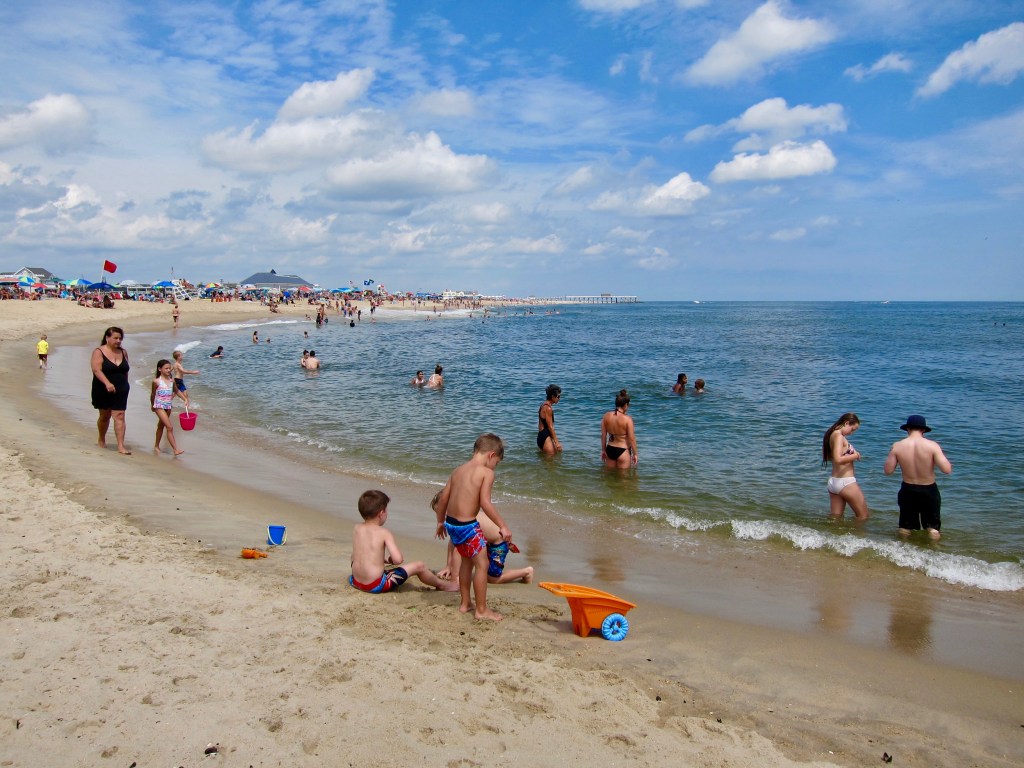
幼童的皮膚較成年人厚度薄、角質層與皮脂膜較為脆弱,皮膚的防禦功能尚未發育完全。因此,如何守護每個寶貝稚嫩的肌膚,是爸爸媽媽相當關心的事。
對於幼童的皮膚保養,最重要的原則就是:能不用就不要用,要用就要選用安全性高、成分單純的產品,如:無色素、無香料、無酒精、沒有加入過多的植物萃取物與精油成分等。幼童比較會需要的皮膚保養品就是「 清潔、保濕、防曬 」。今天我們就來聊聊兒童防曬的重點。
0 – 1 歲的兒童
1 歲以下的幼童 (尤其是 6 個月以下的新生兒 ),皮膚尚未發育完全,原則上不建議使用任何保養品,也要避免新生兒直接曝曬在陽光下。若需要走出室外,盡量避開日曬最強的上午 10 點 到下午 2 點間 (夏天可能要視情況延後到下午 3 點),並利用各種物理性遮蔽的方式防曬,例如:嬰兒推車的棚頂、撐傘、戴帽子、穿薄長袖長褲等方式。
1 – 6 歲的兒童
1 歲以上、6 歲以下的幼童,皮膚自我的防護力比新生兒好一點,但還是要盡量避免在日曬最強的上午 10 點 到下午 2 點間 (夏天可能要視情況延後到下午 3 點)外出直接曝曬在陽光下,並使用物理性遮蔽方式為主要防曬方法。有長時間的戶外活動時,可使用成分單純的 物理性防曬劑 (即以 二氧化鈦 Titanium Dioxide 與 氧化鋅 Zinc Oxide 為成分主體的防曬產品),盡量避免使用可能會造成皮膚刺激的 化學性防曬劑。
6 歲以上的兒童
6 歲以上的兒童,挑選防曬的標準可與成年人相同。只要是成分單純、配方溫和的防曬品,使用後皮膚沒有不適,或任何不良反應,不論是 物理性、化學性,亦或是二者混合型防曬產品都可以使用。至於,進入青春期的青少年,由於皮脂分泌會比較旺盛,可以選擇皮膚感受比較不油膩的產品。

在幫你的寶貝選購防曬品時,要看清楚產品的標示、全成分等,使用時也要留意防曬品的「 使用方式 」與「 保存方式 」。設計給幼童的防曬配方,也要盡量不添加任何可能具安全疑慮的化學成分,例如:可能會游離釋出微量甲醛的防腐劑 Quaternium-15 與 DMDM Hydantonin;具環境賀爾蒙疑慮的 Phthalates;具爭議性的抗菌劑 Triclosan 與防腐劑 Parabens。
兒童防曬 Q & A
Q 1:給幼童的 防曬品係數 該如何挑選?
A 1:防曬品係數的挑選,要根據每個人的個人狀況、身處環境、活動內容而有所不同,以會接受到紫外線的多寡,來選擇適當防曬係數的防曬品。由於高防曬係數的防曬配方在成分使用上較為複雜,因此通常建議給幼童使用的防曬品不需要一味追求高防曬係數,選擇約 SPF 15 – 30、PA+ ( PPD 2 – 4 ) – PA+++ ( PPD 8 – 16 )的防曬品,並且最為重要的是,定時每隔 1 – 2 小時就幫你的孩子補擦防曬。
Q 2:小孩擦了防曬後,需要 卸妝 嗎?
A 2:上述提到,幼童(1 – 6 歲 ) 的防曬品要選用 物理性防曬劑(即 二氧化鈦 與 氧化鋅 )、無色素 ( 不具膚色修飾效果的 )等等,一般來說,這類型的防曬品只要用清水搭配兒童清潔用品清潔即可清潔乾淨,不需要卸妝。
- [A 1 & A 2 補充] 市面上許多防曬品標榜著抗汗、防水,但這類型的防曬配方其實對幼童的肌膚來說也是種負擔,即使是去海邊游泳玩水,也建議不要挑選抗汗、防水的防曬品;加上抗汗防水的防曬配方,需要使用卸妝產品才可洗掉,對幼童的皮膚又是一次傷害。去海邊游泳玩水時,可以給你的孩子穿上連身式 (甚至是長袖的)泳衣、遮陽帽、太陽眼鏡等,並勤勞補擦物理性防曬劑,這樣搭配的防曬方式是最有效安全的。
Q 3:噴霧式的防曬品對幼童好嗎?
A 3:市面上新開發的噴霧式防曬品,不論是物理性或化學性防曬劑,強調方便使用、不沾手、質地不厚重油膩。但由於噴霧的劑型,在使用過程中,幼童可能會吸入小分子的二氧化鈦與氧化鋅、或其他化學成分,進而影響到呼吸道、肺部等,或不小心噴到幼童眼睛、嘴巴等,直接進入到孩子體內。再者,噴霧式防曬品用於皮膚的分散度不比塗抹式的防曬品來得均勻,時常會有許多部位漏掉,所以還是建議選用塗抹式的物理性防曬較為確實與安全。
Q 4:要先擦防曬劑,還是先擦防蚊劑?
A 4:夏日若需要同時使用防曬劑與防蚊劑,建議先擦防曬,將防曬均勻塗抹於孩子的皮膚上;待防曬乾後,再使用防蚊劑,這樣會比較安全,且同時可以兼顧到防曬與防蚊功效。
- 本文轉載自作者網站,原文標題為〈防曬好重要 V:兒童防曬〉