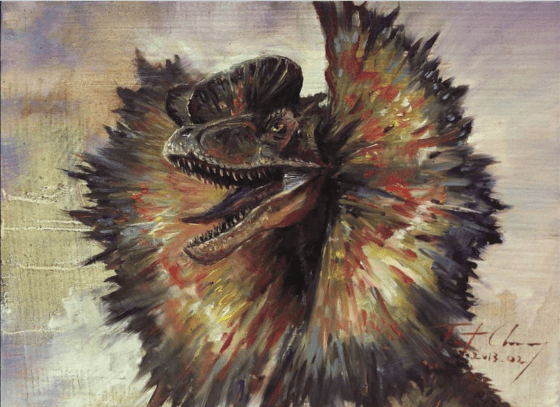
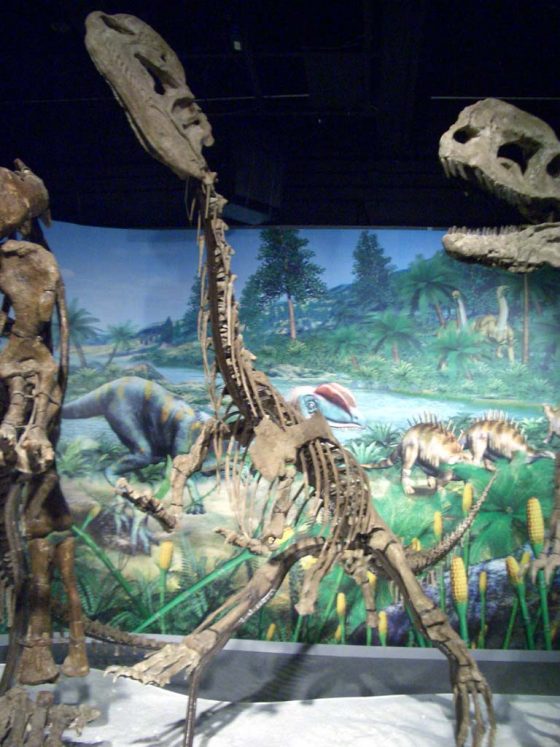
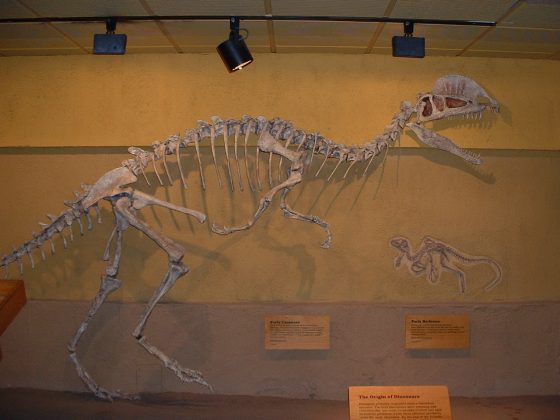
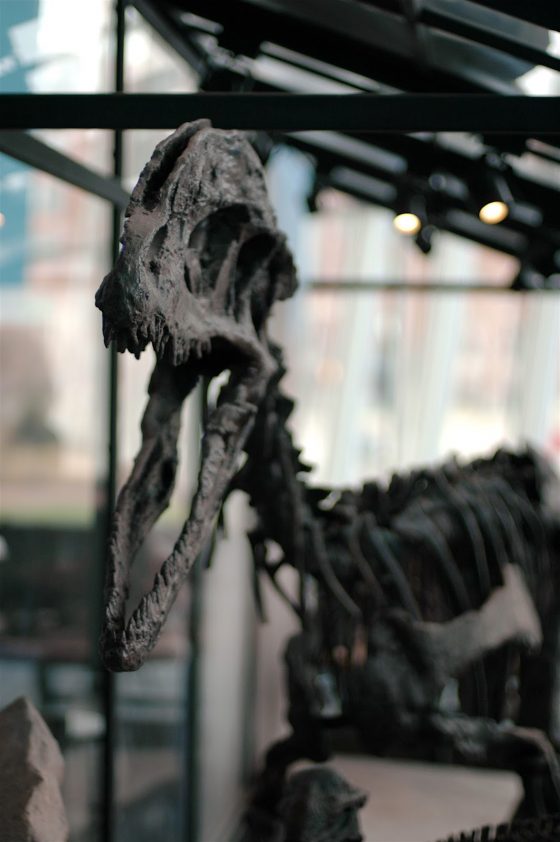
Smith, N.D., Makovicky, P.J., Pol, D., Hammer, W.R., and Currie, P.J. (2007). The dinosaurs of the Early Jurassic Hanson Formation of the Central Transantarctic Mountains: Phylogenetic review and synthesis. Short Research Paper 003, 5 p.; doi:10.3133/of2007-1047.srp003
Xing, L.D. Sinosaurus from Southwestern China. Department of Biological Sciences, University of Alberta (Edmonton). 2012: 1–286.
Hendrickx, C., Hartman, S.A., & Mateus, O. (2015). An Overview of Non- Avian Theropod Discoveries and Classification. PalArch’s Journal of Vertebrate Palaeontology, 12(1): 1-73.
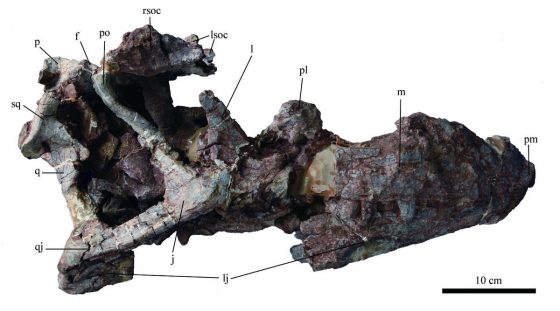
Wang Guo-Fu, You Hai-Lu, Pan Shi-Gang and Wang Tao. (2017). A New Crested Theropod Dinosaur from the Early Jurassic of Yunnan Province, China. Vertebrata Palasiatica.
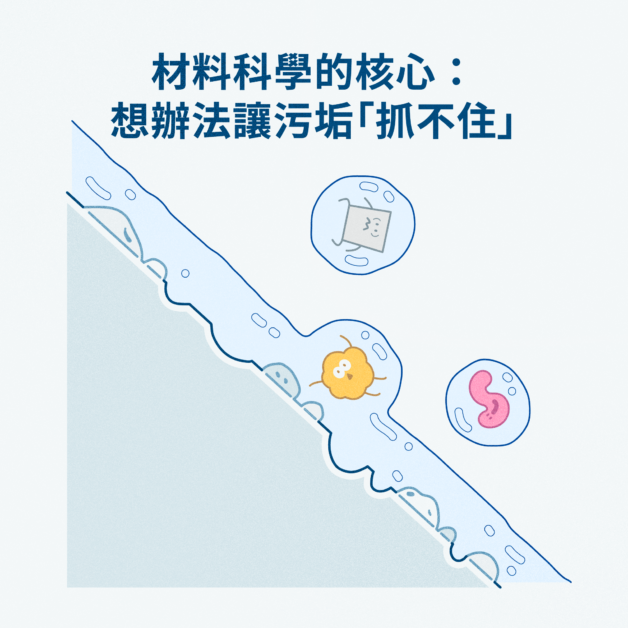
以市面上備受矚目的 Panasonic A La Uno 全自動洗淨馬桶為例,就是將材料科學、結構工程與流體力學發揮到極致的典型代表:
1. 材料層:有機玻璃系新素材
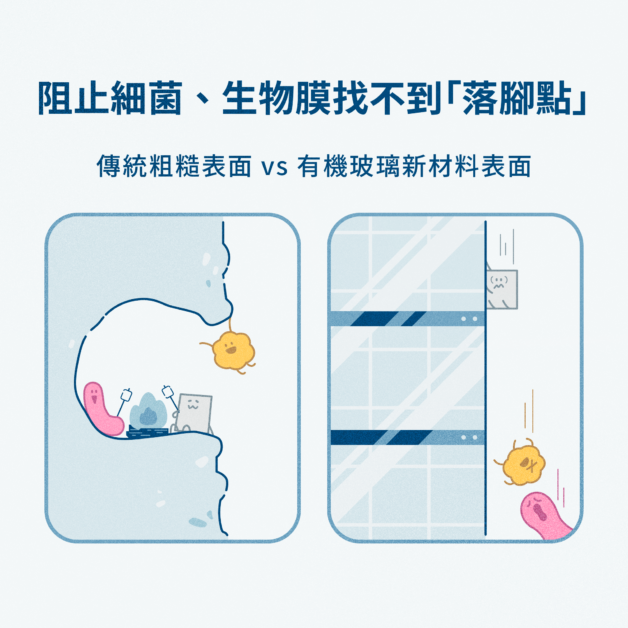
A La Uno 全自動洗淨馬桶採新開發的「有機玻璃系新素材」(以壓克力高分子為基礎研發的衛浴專用材料,這類高分子成形技術亦被廣泛運用於大型水族館高壓觀景窗與飛機機艙罩)。這種材料表面具備極佳的疏水性與耐水垢特性,水滴不易長時間攤平停留;材質堅固、不易破裂,耐刮、不易造成細小傷痕。通過實驗測試,這種素材配合泡沫洗淨,在沖洗後能有效沖刷掉高達 99.99% 的大腸桿菌,從源頭阻斷細菌定殖。
-----廣告,請繼續往下閱讀-----
2. 結構層:無接縫工藝與三重防濺防護
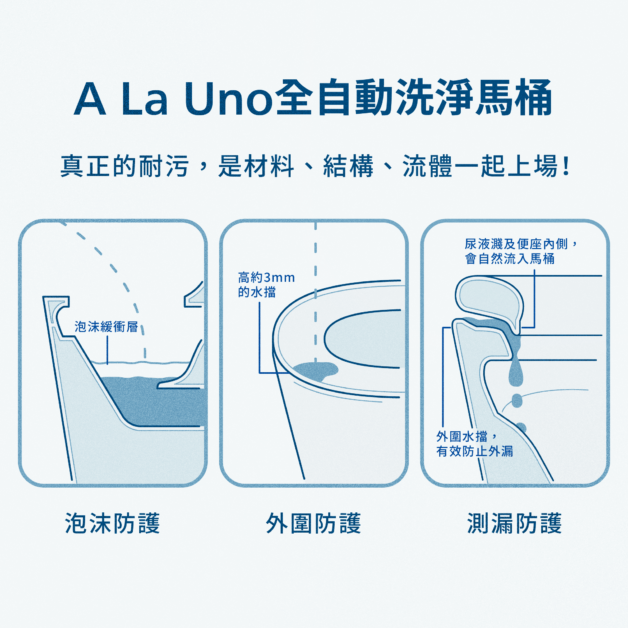
在宏觀結構上,A La Uno 全自動洗淨馬桶採用無水箱沖水與便器、溫水洗淨便座一體成型設計,減少傳統水箱與座體之間的結構層次及接縫,並搭配可動迴轉式排水系統完成沖洗。更貼心的是其「三重防護」設計:
泡沫防護:在水面上製造一層充沛的泡沫緩衝層,有效抑制男性站立小便時的尿液與污水飛濺;
外圍防護:馬桶邊界特別設計了高約 3mm 的水檔,防止液體延著外壁滴落至地板;
測漏防護:便座與馬桶本體採用不外露的防護設計,避免液體從縫隙飛濺滲漏。
Panasonic A La Uno 全自動洗淨馬桶
3. 動態流體層:雙效泡沫洗淨、漩渦水流與 nanoe™ X
當污垢降落在馬桶內壁時,A La Uno全自動洗淨馬桶 的動態流體科技便接手進行徹底打掃。其「雙效泡沫洗淨」會先釋放直徑約 5mm 的「毫米泡沫」包裹並帶走大塊髒污,再透過直徑約 60微米的「微米泡沫」深入微觀縫隙,徹底溶解殘餘的油脂與細微污垢。接著,配合高度清潔力的「漩渦型強力水流」,利用旋轉產生的流體剪切力,一口氣將附著力已被削弱的污垢剝離並沖走。此外,Panasonic A La Uno 全自動洗淨馬桶還搭襯了 nanoe™ X 健康科技,釋放氫氧離子有效抑制異味與髒污,維持空氣與內壁的良好衛生狀態。
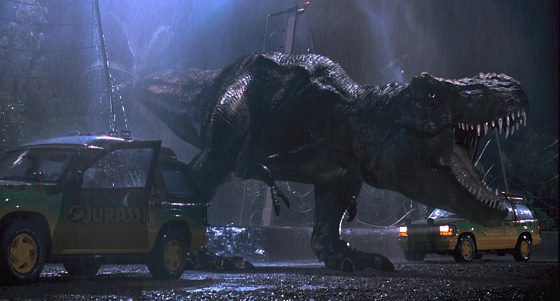
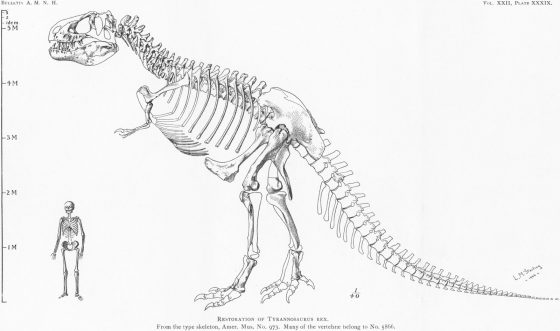
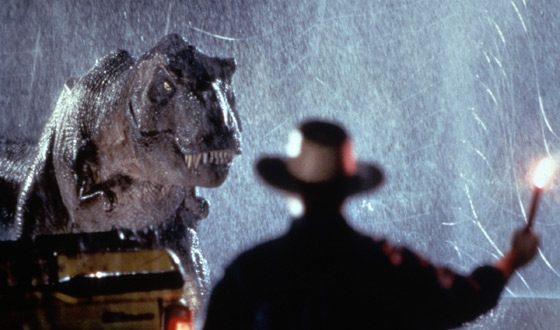
雖然這麼說總免不了有些陳腔濫調,但霸王龍迄今仍是我最喜歡的一種恐龍;著名的演化生物學家古爾德(Stephen Jay Gould)在五歲時在博物館中看見了裝架好的霸王龍骨架,事後回憶道:「我從沒見過如此令人驚嘆的事物!」進而開啟了他的職業生涯。可見霸王龍是多麼深入人心,並且成為了某種不容抹滅的文化標誌!
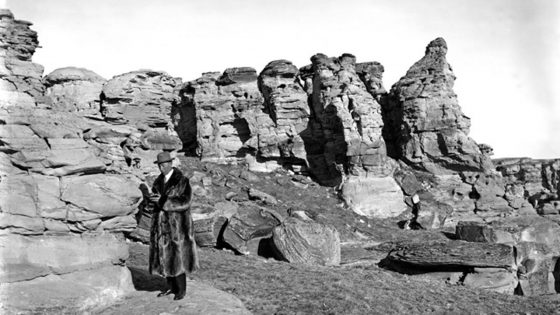
巴納姆‧布朗也是一號奇怪的神祕人物,他經常在盛夏的懷俄明與亞伯達省的荒地中穿著一件厚重的獸皮大衣,同時也在兩次世界大戰中從事諜報工作。除了協助博物館採集化石之外,他也受雇於石油公司,經常過著白天採集化石、夜晚破壞敵對公司的油井與竊取商業機密的日子。就在 1902 年,由他親自帶領的探險隊從蒙大拿州的地獄溪組(Hell Creek Formation)找到了他有史以來最著名的發現,而這項發現即將撼動世人的目光!
-----廣告,請繼續往下閱讀-----
在盛夏的荒地中穿著獸皮大衣搜索化石的巴納姆‧布朗。圖/American Museum of Natural History.
Osborn, H. F. (1905). “Tyrannosaurus and other Cretaceous carnivorous dinosaurs”. Bulletin of the AMNH. New York City: American Museum of Natural History. 21 (14): 259–265. hdl:2246/1464. Retrieved October 6, 2008.
Osborn, Henry Fairfield; Brown, Barnum (1906). “Tyrannosaurus, Upper Cretaceous carnivorous dinosaur”. Bulletin of the AMNH. New York City: American Museum of Natural History. 22 (16): 281–296. hdl:2246/1473. Retrieved October 6, 2008.
Osborn, H. F. (1917). “Skeletal adaptations of Ornitholestes, Struthiomimus, Tyrannosaurus”. Bulletin of the American Museum of Natural History. New York City: American Museum of Natural History. 35 (43): 733–771. hdl:2246/1334. Retrieved October 8, 2008.
Lambe, Lawrence M. (1914). “On the fore-limb of a carnivorous dinosaur from the Belly River Formation of Alberta, and a new genus of Ceratopsia from the same horizon, with remarks on the integument of some Cretaceous herbivorous dinosaurs”. Ottawa Naturalist. 27: 129–135.
Lambe, Lawrence M. (1914). “On a new genus and species of carnivorous dinosaur from the Belly River Formation of Alberta, with a description of Stephanosaurus marginatus from the same horizon”. Ottawa Naturalist. 28: 13–20.
Matthew, W. D.; Brown, B. The family Deinodontidae, with notice of a new genus from the Cretaceous of Alberta. Bulletin of the American Museum of Natural History. 1922, 46: 367–385.
Matthew, William D.; Brown, Barnum (1923). “Preliminary notices of skeletons and skulls of Deinodontidae from the Cretaceous of Alberta”. American Museum Novitates. 89: 1–9
實際的例子,如飼養在馬廄的馬會出現橫向的重複行走(weaving and stall-waling),此動作可能導致體重下降甚至是背部受傷。堤岸田鼠(bank vole)則會一直貼近牆壁或木桿,使得身上因為摩擦而潰瘍。實驗室中的大小白鼠,也會出現重複性清洗身體的動作(grooming),此高頻率動作還可能讓所進行的實驗出現混淆變因。甚至是家中豢養的小貓小狗也會出現重複性的單調行為,好比持續三十分鐘玩窗簾或瘋狂舔毛。[1][3][5][6]
Mason, G. J. (1991). Stereotypies: a critical review. Animal behaviour, 41(6), 1015-1037.
Mason, G. J., & Latham, N. R. (2004). Can’t stop, won’t stop: is stereotypy a reliable animal welfare indicator?. ANIMAL WELFARE-POTTERS BAR THEN WHEATHAMPSTEAD-, 13, S57-S70.
Garner, J. P., & Mason, G. J. (2002). Evidence for a relationship between cage stereotypies and behavioural disinhibition in laboratory rodents. Behavioural brain research, 136(1), 83-92.
Broom, D. M., & Kennedy, M. J. (1993). Stereotypies in horses: their relevance to welfare and causation. Equine Veterinary Education, 5(3), 151-154.
Luescher, U. A., McKeown, D. B., & Halip, J. (1991). Stereotypic or obsessive-compulsive disorders in dogs and cats. Veterinary Clinics of North America: Small Animal Practice, 21(2), 401-413.
Braitman, L.(2014,July).Laurel Braitman:Depressed dogs, cats with OCD — what animal madness means for us humans.Retrieved from [Video file].
Stephen L. Brusatte, Graeme T. Lloyd, Steve C. Wang, Mark A. Norell. (2014). Gradual Assembly of Avian Body Plan Culminated in Rapid Rates of Evolution across the Dinosaur-Bird Transition. Current Biology, DOI: 10.1016/j.cub.2014.08.034
Meehan, C. L., Garner, J. P., & Mench, J. A. (2004). Environmental enrichment and development of cage stereotypy in Orange‐winged Amazon parrots (Amazona amazonica). Developmental psychobiology, 44(4), 209-218.
Keiper, R. R. (1969). Causal factors of stereotypies in caged birds. Animal Behaviour, 17, 114-119.
Swaisgood, R. R., & Shepherdson, D. J. (2005). Scientific approaches to enrichment and stereotypies in zoo animals: what’s been done and where should we go next?. Zoo Biology, 24(6), 499-518.
謝欣怡、張明雄(2009)。打造動物豐富的生活環境—行為豐富化。科學月刊,470。
Carlstead, K., Seidensticker, J., & Baldwin, R. (1991). Environmental enrichment for zoo bears. Zoo Biology, 10(1), 3-16.