



你會不會在購買東西時,因為價格改變而決定多買或少買呢?依循傳統理性決策模型( Rational economic model ),當消費者知覺到商品價格被提高時,會降低需求感並減少購買量,而當商品出現折扣時,則會反映在購買行為的增加上( Kahneman, 2011 )。
但「消費」的發生並其實不完全依尋著理性原則,當顧客從賣場挑選商品、比價、評估需求量到放入購物車的整個過程中,每個決策都會受到情感所驅動( emotion driven )。
也因為有著情緒介入,某些特定類型的食品漲價,我們會特別覺得反感。有研究顯示,當你購買的是健康食品時,漲價會明顯的降低銷量,但令人意外地,垃圾食品漲價後對銷量卻沒有太大影響,是什麼樣的心理歷程造成這種完全相反的結果呢?
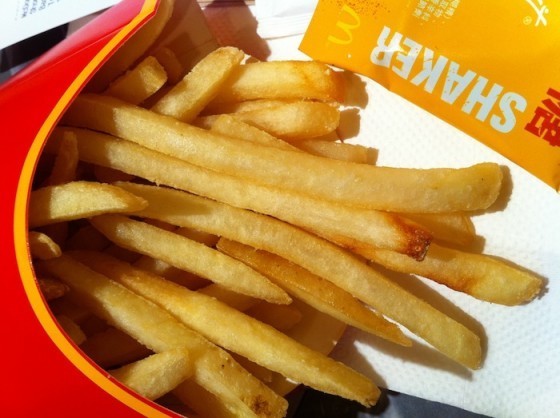
Talukdar ( 2013 )利用賣場結帳系統的數據分析消費者在價格改變前後(包括漲價及降價)對銷量的影響。取樣地點為北美一家大型通路賣場,以四種健康食品花椰菜、葡萄乾、穀麥麵包、白麵包,對比四種不具營養價值食物如洋芋片和軟性飲料等,總共收集了連續 52 週的交易資料,每種食品約取用 1000 位主婦作為研究樣本。
上述研究發現一個有趣結果,當「健康食品」大降價時,並未如預期的成功帶動銷量,反倒是價格調漲後,消費者明顯出現抗拒購買的反應( Demand Resistance )。
那麼「非健康食品」呢?非健康食品在價格調漲時並不影響銷量,而在價格調降時,買氣立刻有大幅度的成長!
不理性的購買決策 ─ 對食物的愛恨糾結
回溯到第一段,我們談到消費者對食品有著「情緒反應」。換句話說,在購買當下,大腦會自動解析不同食物的特徵屬性,並且快速地分門別類,對大多數的人來說,此時健康食品已被貼上了「食之無味」標籤,造成我們情緒上的反感。
而垃圾食品被貼上的通常是「美味好吃」標籤 (這也是垃圾食品最重要的價值),讓我們情緒上是覺得親近的,這種腦部自動化的分類過程讓你自然而然就對健康食品興致缺缺。也因此垃圾食物降價時,腦部就會開始催促你去狂買「最愛」的垃圾食物了( Hausman, 2012 )。
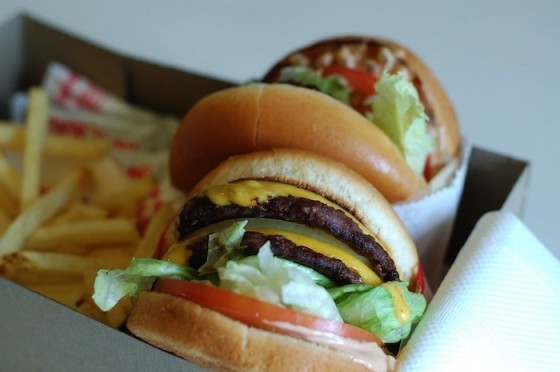
這種好惡也是食品降價是否影響銷量的關鍵,當某商品已被你標籤為健康食品後,即便出現降價,你的購買慾望也正默默的被嫌惡情緒給消除掉。
反倒是垃圾食品,一出現降價促銷,恰恰好符合你想買想吃的衝動,如果又遇到失戀等負面事件,這時你的購物籃可能已完完全被垃圾食物給填滿了!也難怪全球排名最賺錢的食品製造商總是很少賣健康果汁或是營養穀片。
不能說的秘密,促銷定價黑盒子
最終從研究結果延伸,如果你是賣場或是食品業者,又該如何操作價格策略,吸引消費者上鉤呢?
針對餅乾零食等高衝動型食品,降價是個直接且管用的行銷手法( 這也是麥當當一直在做的事情,不斷地用同樣商品換不同組合),接著就是大打折扣廣告了。
但如果賣的是枸杞薏仁時,讓買家形成「好吃的印象」就會比降價促銷來的有效。舉例來說,假設你正在做雜糧麵包的 DM 規劃,下面兩張圖片與文案你會選擇哪個作為你的促銷方案呢?
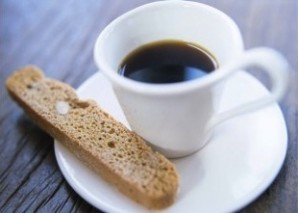
«美味訴求»
清脆爽口美味的長條麵包,搭上一杯溫醇的紅茶,真是最享受的事。
 «健康訴求»
完全使用有機食材製成的雜糧麵包,讓你吃得健康!
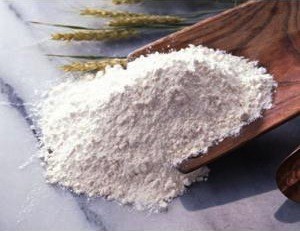
有時業者在操作健康食品時為了強調使用的是「有機食材」,習慣使用下圖作為主視覺並搭上強打健康的文案。而上圖則是藉由紅茶組合來促發( Priming )美味下午茶的美好時光,是否已經讓你流口水了呢?
總的來說,不論是健康食品或是垃圾食物,調漲價格都容易觸動消費者的敏感神經,這也是為何業者常改在「容量」上作文章,藉由換新包裝的名義來變相調漲了。 (推薦閱讀: 〈數大就是美,數字心理行銷學〉 )
比如前陣子的滷肉飯漲價事件,如果變成將每碗三匙的滷肉改成每碗兩匙,再訓練員工讓白飯撥的更蓬鬆,或許就不會變成新聞事件了。經營一個品牌,價格永遠是最需要謹慎考量的議題。
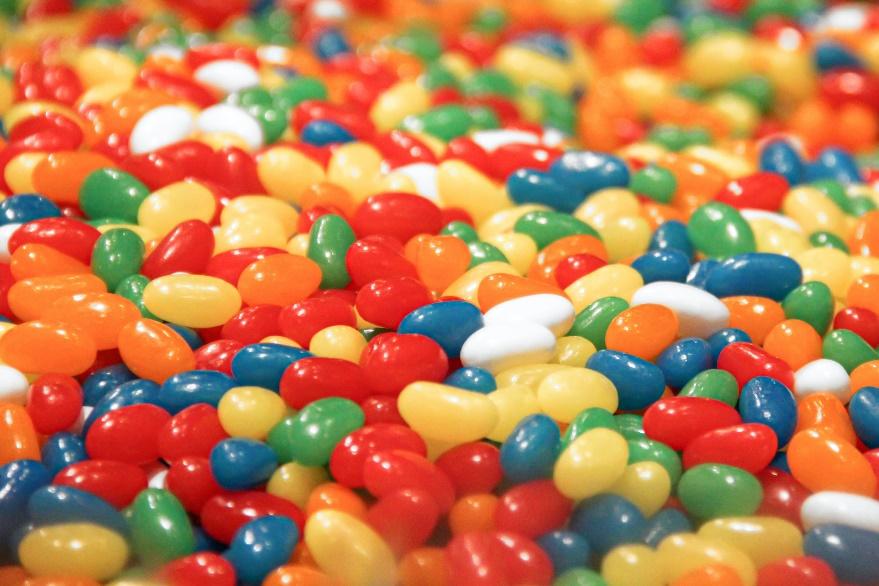
我們從不同食品屬性(健康食品 V.S. 非健康食品)看到了消費者在價格變動下的心理歷程。你是不是也想到了另你印象深刻的促銷廣告呢?(這篇都是食物照片,寫的我都餓了..)
文獻資料:Debabrata Talukdar, Charles Lindsey (2013). To Buy or Not to Buy: Consumers’ Demand Response Patterns for Healthy Versus Unhealthy Food. Journal of Marketing: Vol. 77, No. 2, pp. 124-138
圖片來源:stockfresh, Flickr : GrocerymaniaAgain ; CC Licensed
衍伸閱讀:
- 行銷與心理學 ─ 實務案例:reBuzz x kono 獨家電子雜誌
- 行銷與心理學 ─ 商品定價:數大就是美,數字心理行銷學
- 行銷與心理學 ─ 商品命名:產品取名大學問!洋名一定比較好?
- 行銷與心理學 ─ 商品描述:利用「消費詞彙」,讓消費者多愛你一點!
- 行銷與心理學 ─ 行銷策略:我生意人做公益重要嗎?道德行銷告訴你!
reBuzz 來報這 專注於分享行銷與心理學、使用者行為、創新商業個案的分析文章,歡迎有興趣的朋友訂閱文章、加入粉絲團,大家一起來交流!














 狐禪
狐禪


