

- 文/雅文基金會聽語科學研究中心研究助理陳芳茹、研究員羅明
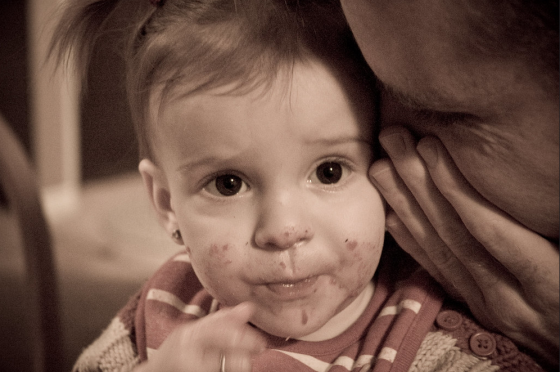
「真的需要戴助聽器嗎?」、「會不會影響小孩未來的語言發展?」這些是微聽損兒父母心中的疑問與擔憂。
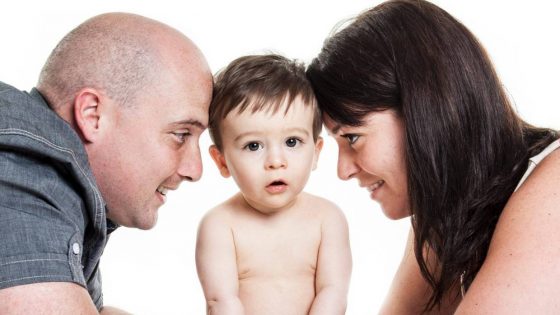
國際專業期刊 Journal of Deaf Studies and Deaf Education 最近刊出的研究,訪談了 20 名微聽損兒的家長,發現微聽損兒父母與其他程度聽損兒的家長,其實都面對同樣的心理衝擊、有著相似的心路歷程1,正所謂「天下父母心」,家長們並不會因為聽損程度比較輕微,困擾程度就比較小。

心聲 1 :微聽損一點也不微小,擔心沒少過
接受訪談的家長表示,父母聽力正常、小孩在家對聲音也有反應,所以當小孩確診為微聽損時,家長往往感到相當訝異。在得知診斷結果前後的期間,父母的焦慮與擔憂懸宕未定,像無頭蒼蠅似地尋找資源、努力學習相關知識,這些都是微聽損兒家長的共同心聲與經驗。此外,嬰幼兒無法清楚表達,也增加了確定聽損程度的困難度,更增加了父母的焦慮。在這整個過程中,家長經歷了震驚、沒有頭緒、焦慮、擔心等種種的情緒,是相當辛苦的。
心聲 2 :專業人員態度差很大
在接受孩子微聽損的過程中,有家長也指出了自身在觀念上的轉變。家長漸漸體會,微聽損與其他聽損一樣,也需要輔具或療育的幫助,而且輔具的功能,並非讓聽力「變回正常」,而比較像是「輔助」的概念。
也有家長指出,有些專業人員似乎認為微聽損毋須馬上處置,或是未能提供家長情緒上的支持。然而總體而言,微聽損兒父母對於新生兒聽力篩檢的實施,讓微聽損得以及早發現及早療育,仍然抱持正面與肯定的態度。

心聲 3 :有戴沒戴都一樣,為什麼要強迫小孩戴助聽器?
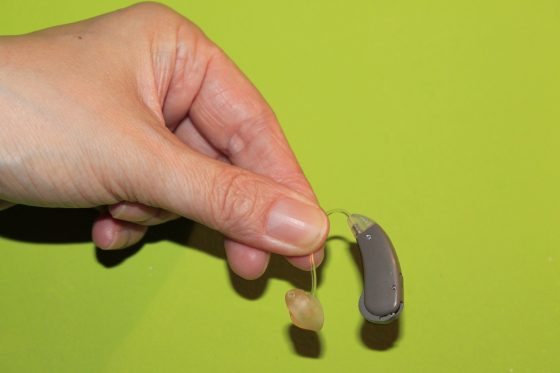
也有許多家長表示,他們看不出孩子戴上助聽器之後有什麼立即的改變。「因為內心不確定孩子戴輔具實際上會有什麼助益,因此當孩子有抗拒戴助聽器的行為時,心裡會產生疑問:「真的要強迫小孩戴助聽器嗎?」這樣的心理,認為助聽器似乎並非必要。
也就是說,從孩子助聽器配戴的不穩定性,反映了家長內心對微聽損兒配戴助聽器助益的不確定感。其他調查顯示,年紀較小的微聽損兒童,比起年紀較大、聽損程度更嚴重的兒童,持續配戴助聽器的時間更少2。此外,有 30 至 50% 的微聽損兒是完全沒有使用或非穩定地使用助聽器3, 4。
然而,經由專業人員評估認為需戴助聽輔具的微聽損孩子,的確可從過往研究看見「盡早」配戴及「戴好戴滿」的效益,而此效益主要於語言能力上最顯而易見5, 6。
由此可見,即使家長感受「有戴沒戴都一樣」,但經過正式評估或較長時間來看,配戴助聽器確實是提升語言能力的關鍵。
延伸閱讀:助聽器戴好戴滿,讓微聽損兒學語之路更順暢
心聲 4 :心中的大石頭,什麼時候才能放下?
大多數家長擔心微聽損幼兒未來的發展,尤其到了學齡階段,在課業和學校適應上,是否會落後聽力正常的同儕?另一方面,有家長認為,即使微聽損孩子當下的語言發展屬於正常範圍,孩子仍需要持續的專業協助,以確保孩子未來的語言和社交能力不落人後。
整體而言,專家建議,即使微聽損也應尋求全方位專業評估,針對個別情況建議合適的輔具介入或是療育課程、聽力惡化警訊諮詢、追蹤頻率建議7與溝通策略8。讓專家帶領並陪伴著孩子與家長,除了確保孩子的發展能跟得上同儕,也能大大減少家長的擔憂。
隨著新生兒聽力篩檢與早期療育介入的推行,有關單位除了幫助微聽損兒獲得專業人員的輔具介入評估和療育服務,也應協助微聽損兒父母獲得正確的觀念與相關的知識,進而使父母焦慮感變輕。有家長指出,參考專業人員或社工提供的資源及意見,及早療育,隨著孩子的進展,家長也逐漸放下心中的擔憂。

而就台灣而言,專業聽語機構如財團法人雅文兒童聽語文教基金會,不僅相當重視微聽損孩子的權益,更持續推動微聽損專業講座與研討會,並特別提供給微聽損兒家長「走入門診」的服務,期盼家長們能透過與聽力師一對一的諮詢,即時了解孩子的情況,做出最合適的選擇。
參考文獻
- Fitzpatrick, E., Grandpierre, V., Durieux-Smith, A., Gaboury, I., Coyle1, D., Na, E., & Sallam, N. (2016). Children with mild bilateral and unilateral hearing loss: Parents’ reflections on experiences and outcomes. Journal of Deaf Studies and Deaf Education, 34–43. doi: 10.1093.
- Walker, E. A., Spratford, M., Moeller, M. P., Oleson, J., Ou, H., Roush,P., & Jacobs, S. (2013). Predictors of hearing aid use time in children with mild-to-severe hearing loss. Language, Speech, and Hearing Services in Schools, 44, 73–88. doi:10.1044/0161-1461(2012/12-0005)
- Fitzpatrick, E. M., Durieux-Smith, A., & Whittingham, J. (2010).Clinical practice for children with mild bilateral and unilateral hearing loss. Ear and Hearing, 31, 392–400. doi:10.1097/AUD.0b013e3181cdb2b9
- Fitzpatrick, E. M., Whittingham, J., & Durieux-Smith, A. (2014).Mild bilateral and unilateral hearing loss in children: A 20 year view of characteristics and practices. Ear and Hearing, 35, 10–18. doi:10.1097/AUD.0b013e31829e1ed9
- Tomblin, J. B., Oleson, J. J., Ambrose, S. E., Walker, E., & Moeller,M. P. (2014). The influence of hearing aids on the speech and language development of children with hearing loss. JAMA Otolaryngology–Head & Neck Surgery, 140, 403–409. doi:10.1001/jamaoto.2014.267
- Walker, E. A., Holte, L., McCreery, R. W., Spratford, M., Page, T., & Moeller, M. P. (2015). The influence of hearing aid use on outcomes of children with mild hearing loss. Journal of Speech, Language, and Hearing Research, 58(5), 1611-1625.
- Fitzpatrick, E. M., Al-Essa, R. S., Whittingham, J., & Fitzpatrick, J. (2017). Characteristics of children with unilateral hearing loss. International Journal of Audiology, 56(11), 819-828.
- 財團法人雅文兒童聽語文教基金會網站-聽損溝通小學堂。2019年10月8日。