瑞典工程師圖林 (Sten Gustaf Thulin) 發明了第一個塑膠袋。因為相較於紙袋,塑膠袋較不容易因為潮濕或拉扯破損,利於重複使用,能減少樹木砍伐,而且相對於紙袋,塑膠袋也較能攜帶重物。透過塑膠袋的發明,圖林希望解決紙袋造成的環境問題。不過統計至今,其中超過半數的塑膠袋並沒有達成「重複使用」這個使用初衷,有許多塑膠袋反而被隨意扔棄在大自然中,造成了另一種的生態壓力。
沒錯!首先想到的就是來自日本的研究團隊,他們將寶特瓶回收場的底泥、濕土、廢水,只要是有接觸到分解寶特瓶殘骸的環境樣本通通帶回實驗室。研究團隊將這些帶回來的樣本培養在 PET 塑膠薄膜上,希望看看是不是有微生物在分解 PET,可以靠著分解 PET 產生能量,維持細胞中的代謝與合成反應。
結果真的有。
2016 年,日本研究團隊發現了一株愛「吃」塑膠的新型細菌,這株細菌可以在大概 6 週的時間內,將 PET 薄膜完全分解。研究團隊將它命名為大阪堺菌 (Ideonella sakaiensis)。
生物產生的催化劑——酵素
找到新細菌然後呢?想知道他可能有什麼神奇的超能力,最快的方法就是送去定序。
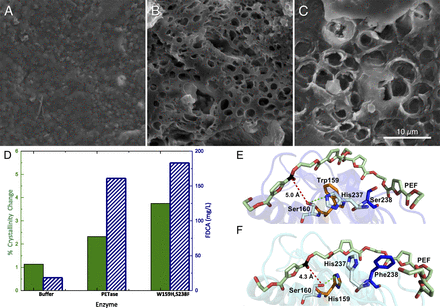
研究人員根據定序結果發現細菌帶有一種水解酵素,推測這種酵素可能與大阪堺菌能分解 PET 有關。為了證明這樣的推測,研究人員進行酵素純化,並測試其分解 PET 的能力,發現在攝氏 30 度的環境中,酵素有最佳的反應效率將 PET 分解,決定命名為 PETase。
-----廣告,請繼續往下閱讀-----
團隊在找出大阪堺菌分解 PET 的關鍵機制後,成功以化學方法純化 PETase,擺脫微生物實驗中的許多條件限制。不過能在 6 週內分解 PET 塑膠薄膜只能確定酵素有分解的能力,但是真正要面對 2-3 億支比薄膜更厚實的 PET 寶特瓶,這樣的實驗成果遠遠不夠,因此科學家們紛紛開始思考如何加快分解 PET 的反應速率。
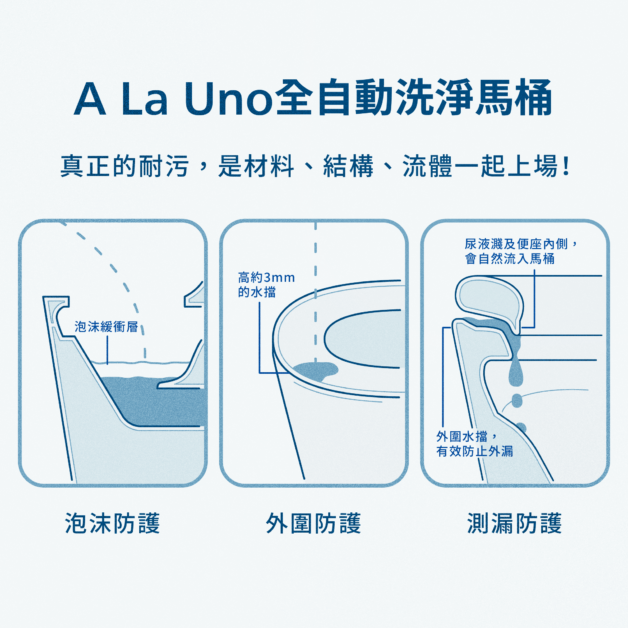
以市面上備受矚目的 Panasonic A La Uno 全自動洗淨馬桶為例,就是將材料科學、結構工程與流體力學發揮到極致的典型代表:
1. 材料層:有機玻璃系新素材
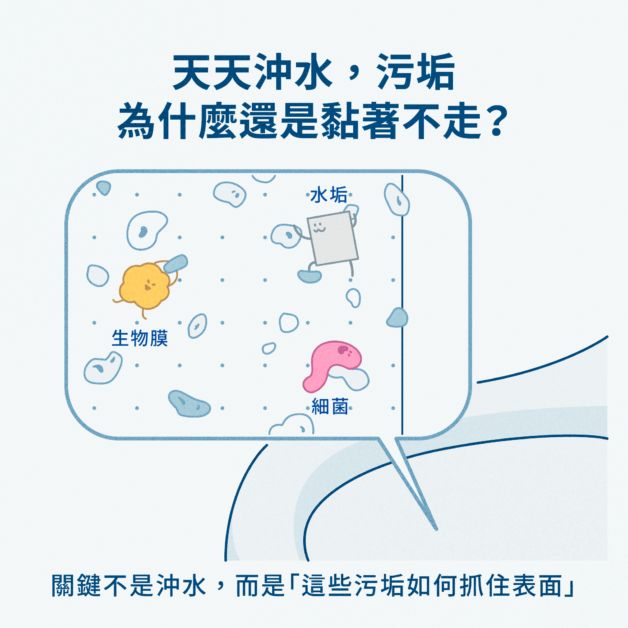
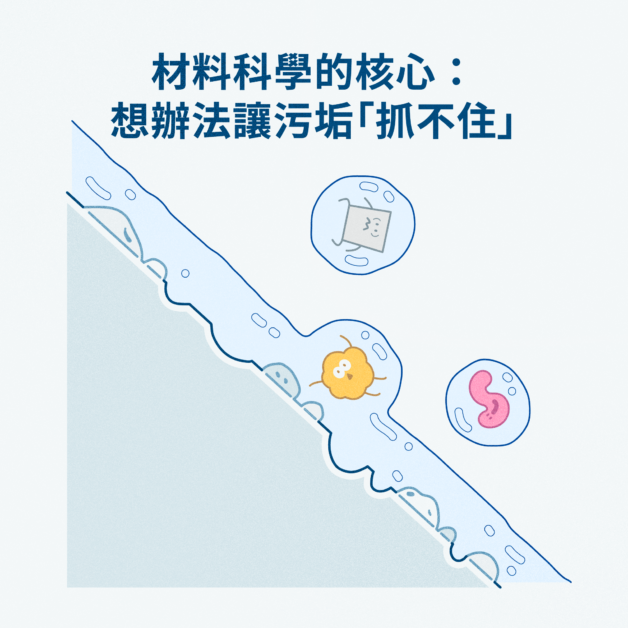
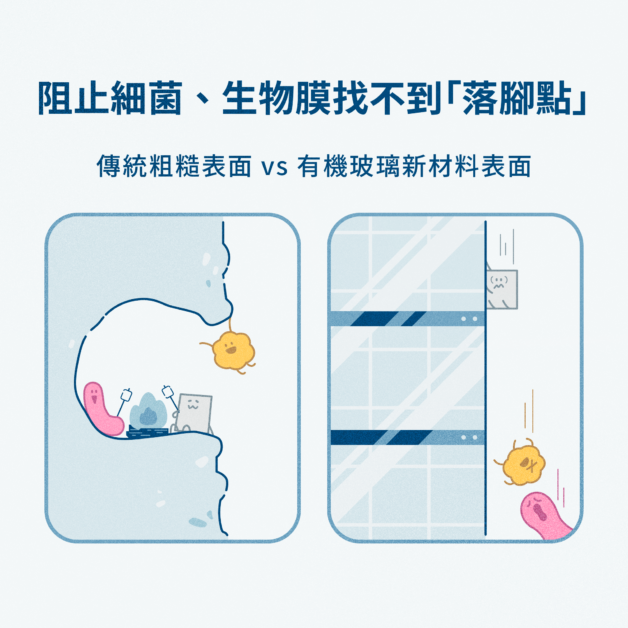
A La Uno 全自動洗淨馬桶採新開發的「有機玻璃系新素材」(以壓克力高分子為基礎研發的衛浴專用材料,這類高分子成形技術亦被廣泛運用於大型水族館高壓觀景窗與飛機機艙罩)。這種材料表面具備極佳的疏水性與耐水垢特性,水滴不易長時間攤平停留;材質堅固、不易破裂,耐刮、不易造成細小傷痕。通過實驗測試,這種素材配合泡沫洗淨,在沖洗後能有效沖刷掉高達 99.99% 的大腸桿菌,從源頭阻斷細菌定殖。
-----廣告,請繼續往下閱讀-----
2. 結構層:無接縫工藝與三重防濺防護
在宏觀結構上,A La Uno 全自動洗淨馬桶採用無水箱沖水與便器、溫水洗淨便座一體成型設計,減少傳統水箱與座體之間的結構層次及接縫,並搭配可動迴轉式排水系統完成沖洗。更貼心的是其「三重防護」設計:
泡沫防護:在水面上製造一層充沛的泡沫緩衝層,有效抑制男性站立小便時的尿液與污水飛濺;
外圍防護:馬桶邊界特別設計了高約 3mm 的水檔,防止液體延著外壁滴落至地板;
測漏防護:便座與馬桶本體採用不外露的防護設計,避免液體從縫隙飛濺滲漏。
Panasonic A La Uno 全自動洗淨馬桶
3. 動態流體層:雙效泡沫洗淨、漩渦水流與 nanoe™ X
當污垢降落在馬桶內壁時,A La Uno全自動洗淨馬桶 的動態流體科技便接手進行徹底打掃。其「雙效泡沫洗淨」會先釋放直徑約 5mm 的「毫米泡沫」包裹並帶走大塊髒污,再透過直徑約 60微米的「微米泡沫」深入微觀縫隙,徹底溶解殘餘的油脂與細微污垢。接著,配合高度清潔力的「漩渦型強力水流」,利用旋轉產生的流體剪切力,一口氣將附著力已被削弱的污垢剝離並沖走。此外,Panasonic A La Uno 全自動洗淨馬桶還搭襯了 nanoe™ X 健康科技,釋放氫氧離子有效抑制異味與髒污,維持空氣與內壁的良好衛生狀態。
Ammerman, N. C., Beier-Sexton, M., & Azad, A. F. (2008). Laboratory maintenance of Rickettsia rickettsii. Current protocols in microbiology, Chapter 3, Unit–3A.5.
Silverman, D. J. (1991). Some Contributions of Electron Microscopy to the Study of the Rickettsiae. European Journal of Epidemiology, 7(3), 200–206.
Gracie, D. J., Williams, C. J., Sood, R., Mumtaz, S., Bholah, M. H., Hamlin, P. J., et al. (2017). Negative effects on psychological health and quality of life of genuine irritable bowel syndrome–type symptoms in patients with inflammatory bowel disease. Clinical Gastroenterology and Hepatology, 15, 376–384. https://doi.org/ 10.1016/j.cgh.2016.05.012
van Langenberg, D. R., & Gibson, P. R. (2010). Systematic review: Fatigue in inflammatory bowel disease. Alimentary Pharmacology and Therapeutics, 32, 131–143.
D’Silva, A., Fox, D. E., Nasser, Y., Vallance, J. K., Quinn, R. R., Ronksley, P. E., & Raman, M. (2022). Prevalence and risk factors for fatigue in adults with inflammatory bowel disease: A systematic review with meta-analysis. Clinical gastroenterology and hepatology: the official clinical practice. journal of the American Gastroenterological Association, 20(5), 995–1009.e7. https://doi.org/10.1016/j.cgh.2021.06.034
Van Langenberg, D. R., Yelland, G. W., Robinson, S. R., and Gibson, P. R. (2017). Cognitive impairment in Crohn’s disease is associated with systemic inflammation, symptom burden and sleep disturbance. United European Gastroenterology Journal, 5, 579–587. https://doi.org/10.1177/2050640616663397
Ng, J. Y., Chauhan, U., Armstrong, D., Marshall, J., Tse, F., Moayyedi, P., et al. (2018). A comparison of the prevalence of anxiety and depression between uncomplicated and complex Ibd patient groups. Gastroenterology Nursing, 41, 427–435. https://doi.org/10.1097/ SGA.0000000000000338
Tremlett, H., Bauer, K. C., Appel-Cresswell, S., Finlay, B. B., & Waubant, E. (2017). The gut microbiome in human neurological disease: a review. Annals of Neurology, 81, 369–382. https://doi.org/10.1002/ana.24901
Vogt, N. M., Kerby, R. L., Dill-Mcfarland, K. A., Harding, S. J., Merluzzi, A. P., Johnson, S. C., et al. (2017). Gut microbiome alterations in Alzheimer’s disease. Scientific Reports, 7, 1–11. https://doi.org/10.1038/s41598-017-13601-y
Haran, J. P., Bhattarai, S. K., Foley, S. E., Dutta, P., Ward, D. V., Bucci, V., et al. (2019). Alzheimer’s disease microbiome is associated with dysregulation of the anti- inflammatory P-glycoprotein pathway. mBio, 10, e00632–e00619. https://doi.org/10.1128/ mBio.00632-19
Romano, S., Savva, G. M., Bedarf, J. R., Charles, I. G., Hildebrand, F., & Narbad, A. (2021). Meta-analysis of the Parkinson’s disease gut microbiome suggests alterations linked to intestinal inflammation. npj Parkinson’s Disease, 7, 1–13. https://doi.org/10.1038/s41531-021-00156-z
Ohgami, N., Ida-Eto, M., Shimotake, T., Sakashita, N., Sone, M., Nakashima, T., et al. (2010). C-ret–mediated hearing loss in mice with Hirschsprung disease. Proceedings of the National Academy of Sciences, 107, 13051–13056. https://doi.org/10.1073/pnas.1004520107
Denton, A. J., Godur, D. A., Mittal, J., Bencie, N. B., Mittal, R., & Eshraghi, A. A. (2022). Recent advancements in understanding the gut microbiome and the inner ear Axis. Otolaryngologic Clinics of North America, 55, 1125–1137. https://doi.org/10.1016/j.otc.2022.07.002
Graham et al., 2023 Graham, A. S., Ben-Azu, B., Tremblay, M. È., Torre, P., 3rd, Senekal, M., Laughton, B., van der Kouwe, A., Jankiewicz, M., Kaba, M., & Holmes, M. J. (2023). A review of the auditory-gut-brain axis. Frontiers in Neuroscience, 17, 1183694. https://doi.org/10.3389/fnins.2023.1183694
Kociszewska, D., & Vlajkovic, S. M. (2022). The association of inflammatory gut diseases with neuroinflammatory and auditory disorders. Frontiers in Bioscience-Elite, 14:8. https://doi.org/10.31083/j.fbe1402008
Megantara, I., Wikargana, G. L., Dewi, Y. A., Permana, A. D., & Sylviana, N. (2022). The role of gut Dysbiosis in the pathophysiology of tinnitus: a literature review. International Tinnitus Journal, 26, 27–41. https://doi.org/10.5935/0946-5448.20220005
Breit, S., Kupferberg, A., Rogler, G., and Hasler, G. (2018). Vagus nerve as modulator of the brain–gut axis in psychiatric and inflammatory disorders. Frontiers in Psychiatry, 9:44. https://doi.org/10.3389/fpsyt.2018.00044
Mion, F., Pellissier, S., Garros, A., Damon, H., Roman, S., and Bonaz, B. (2020). Transcutaneous auricular vagus nerve stimulation for the treatment of irritable bowel syndrome: a pilot, open-label study. Bioelectronics in Medicine, 3, 5–12. https://doi.org/10.2217/ bem-2020-0004
Lehtimäki, J., Hyvärinen, P., Ylikoski, M., Bergholm, M., Mäkelä, J. P., Aarnisalo, A., et al. (2013). Transcutaneous vagus nerve stimulation in tinnitus: a pilot study. Acta Oto-Laryngologica, 133, 378–382. https://doi.org/10.3109/00016489.2012.750736
Ylikoski, J., Markkanen, M., Pirvola, U., Lehtimäki, J. A., Ylikoski, M., Jing, Z., et al. (2020). Stress and tinnitus; transcutaneous auricular vagal nerve stimulation attenuates tinnitus-triggered stress reaction. Frontiers in Psychology, 11:2442. https://doi.org/10.3389/ fpsyg.2020.570196
Fousekis, F. S., Saridi, M., Albani, E., Daniel, F., Katsanos, K. H., Kastanioudakis, I. G., et al. (2018). Ear involvement in inflammatory bowel disease: a review of the literature. Journal of Clinical Medicine Research, 10(8), 609–614. https://doi.org/10.14740/jocmr3465w
Karmody, C. S., Valdez, T. A., Desai, U., & Blevins, N. H. (2009). Sensorineural hearing loss in patients with inflammatory bowel disease. American Journal of Otolaryngology, 30, 166–170.
Akbayir, N., Çaliş, A. B., Alkim, C., Sökmen, H. M. M., Erdem, L., Özbal, A., et al. (2005). Sensorineural hearing loss in patients with inflammatory bowel disease: A subclinical extraintestinal manifestation. Digestive Diseases and Sciences, 50, 1938–1945. https://doi.org/10.1007/ s10620-005-2964-3
Wang, W., Zhang, L. S., Zinsmaier, A. K., Patterson, G., Leptich, E. J., Shoemaker, S. L., et al. (2019). Neuroinflammation mediates noise-induced synaptic imbalance and tinnitus in rodent models. PLoS Biology, 17:e3000307. https://doi.org/10.1371/ journal.pbio.3000307
Niu, J., Xu, H., Zeng, G. et al. (2023). Music-based interventions in the feeding environment on the gut microbiota of mice. Scientific Reports, 13, 6313. https://doi.org/10.1038/s41598-023-33522-3







 生物界杜甫
生物界杜甫 Sherry
 Freddy