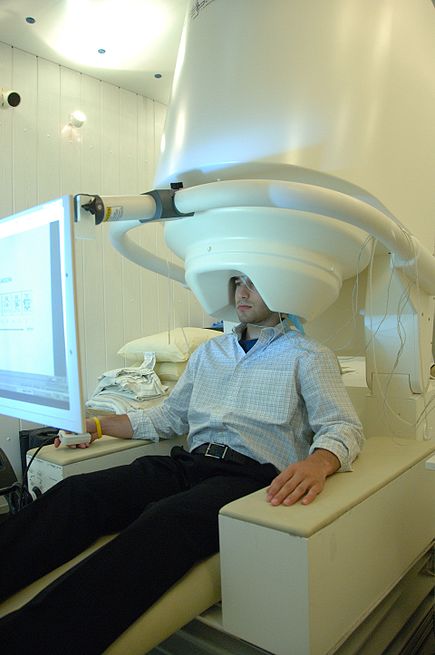
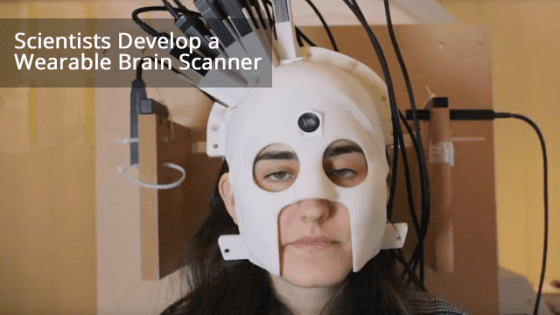
Boto, E., N. Holmes, J. Leggett, G. Roberts, V. Shah, S. S. Meyer, L. D. Munoz, K. J. Mullinger, T. M. Tierney, S. Bestmann, G. R. Barnes, R. Bowtell and M. J. Brookes (2018). “Moving magnetoencephalography towards real-world applications with a wearable system.” Nature.
Cohen, D. (1968). “Magnetoencephalography: evidence of magnetic fields produced by alpha-rhythm currents.” Science161(3843): 784-786.
Cohen, D. (1972). “Magnetoencephalography: detection of the brain’s electrical activity with a superconducting magnetometer.” Science175(4022): 664-666.
以市面上備受矚目的 Panasonic A La Uno 全自動洗淨馬桶為例,就是將材料科學、結構工程與流體力學發揮到極致的典型代表:
1. 材料層:有機玻璃系新素材
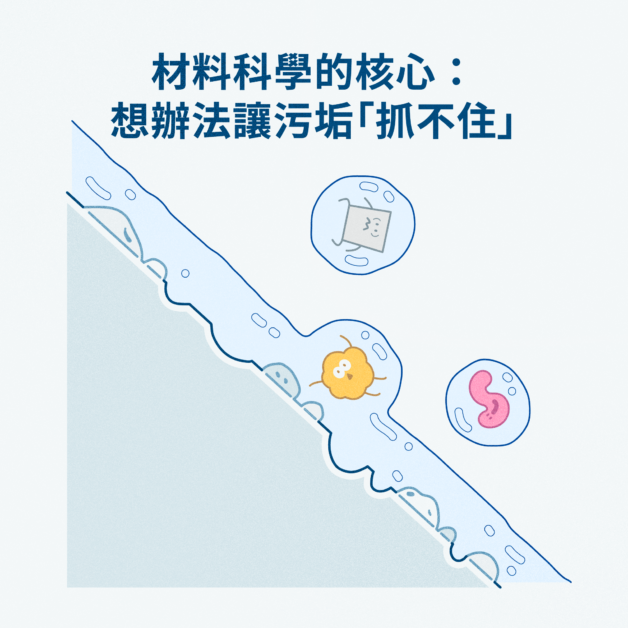
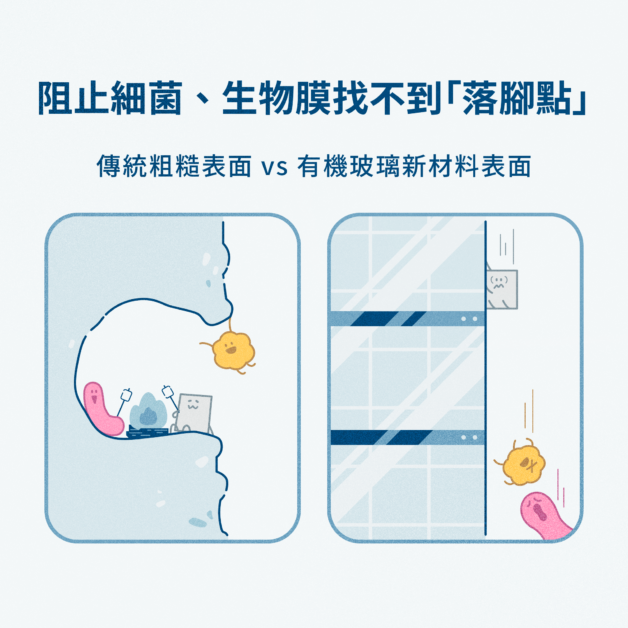
A La Uno 全自動洗淨馬桶採新開發的「有機玻璃系新素材」(以壓克力高分子為基礎研發的衛浴專用材料,這類高分子成形技術亦被廣泛運用於大型水族館高壓觀景窗與飛機機艙罩)。這種材料表面具備極佳的疏水性與耐水垢特性,水滴不易長時間攤平停留;材質堅固、不易破裂,耐刮、不易造成細小傷痕。通過實驗測試,這種素材配合泡沫洗淨,在沖洗後能有效沖刷掉高達 99.99% 的大腸桿菌,從源頭阻斷細菌定殖。
-----廣告,請繼續往下閱讀-----
2. 結構層:無接縫工藝與三重防濺防護
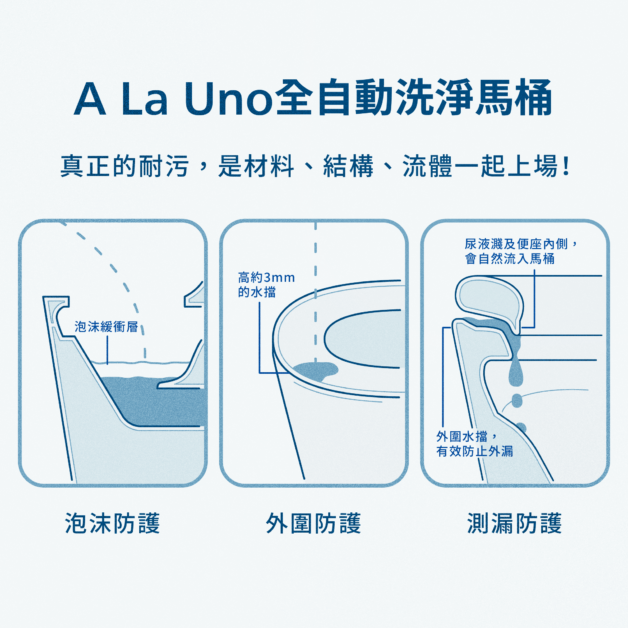
在宏觀結構上,A La Uno 全自動洗淨馬桶採用無水箱沖水與便器、溫水洗淨便座一體成型設計,減少傳統水箱與座體之間的結構層次及接縫,並搭配可動迴轉式排水系統完成沖洗。更貼心的是其「三重防護」設計:
泡沫防護:在水面上製造一層充沛的泡沫緩衝層,有效抑制男性站立小便時的尿液與污水飛濺;
外圍防護:馬桶邊界特別設計了高約 3mm 的水檔,防止液體延著外壁滴落至地板;
測漏防護:便座與馬桶本體採用不外露的防護設計,避免液體從縫隙飛濺滲漏。
Panasonic A La Uno 全自動洗淨馬桶
3. 動態流體層:雙效泡沫洗淨、漩渦水流與 nanoe™ X
當污垢降落在馬桶內壁時,A La Uno全自動洗淨馬桶 的動態流體科技便接手進行徹底打掃。其「雙效泡沫洗淨」會先釋放直徑約 5mm 的「毫米泡沫」包裹並帶走大塊髒污,再透過直徑約 60微米的「微米泡沫」深入微觀縫隙,徹底溶解殘餘的油脂與細微污垢。接著,配合高度清潔力的「漩渦型強力水流」,利用旋轉產生的流體剪切力,一口氣將附著力已被削弱的污垢剝離並沖走。此外,Panasonic A La Uno 全自動洗淨馬桶還搭襯了 nanoe™ X 健康科技,釋放氫氧離子有效抑制異味與髒污,維持空氣與內壁的良好衛生狀態。
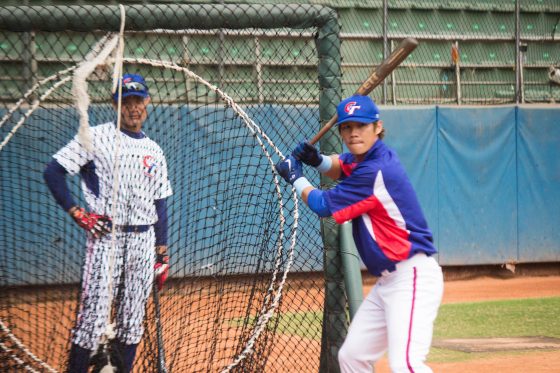
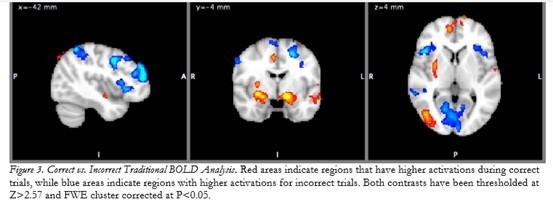
有趣的是,這份實驗也針對受試者判斷正確與判斷錯誤時的大腦變化進行比較,結果發現,當受試者判斷正確時,他們的大腦神經變化,會顯著地活化處理高階視覺反應的MT和側枕葉皮質(LOC) ,以及關於動作控制和處理的蒼白球(globus pallidus)和殼核(putamen) [7],還有牽涉到自我獎勵的額葉極區(frontal pole regions),且這些腦區的啟動,是不需要經過意識控制的!也就是說,他們的大腦會很自動地從辨認出球路切換到準備揮棒的模式裡,不需要經過大腦思考,這也是為什麼大聯盟傳奇名將Yogi Berra會說:「打者是不能一邊思考,一邊好好地打擊的(you can’t think and hit at the same time)。」。
Sherwin, J.Muraskin, & P.Sajda(2012)You can’t think and hit at the same time: neural correlates of baseball pitch classification. Front Neurosci, 6: p. 177.
Muraskin, J.Sherwin,& P.Sajda(2013)A System for Measuring the Neural Correlates of Baseball Pitch Recognition and Its Potential Use in Scouting and Player Development. Sports Analytics Conference.
Machielsen, W.C., et al., FMRI of visual encoding: reproducibility of activation. Hum Brain Mapp, 2000. 9(3): p. 156-64. 17.
Grill-Spector, K., et al., The lateral occipital complex and its role in object recognition. Vision Res, 2001. 41(10-11): p. 1409-22. 19. Hyvarinen, J., et al., Early visual deprivation alters modality of neuronal responses in area 19 of monkey cortex. Neurosci Lett, 1981. 26(3): p. 239-43
Kaas, J.H., Theories of visual cortex organization in primates: Areas of the third level. Extrageniculostriate Mechanisms Underlying VisuallyGuided Orientation Behavior, 1996. 112: p. 213-221. 18.
Tootell, R.B.H., et al., Functional-Analysis of Human Mt and Related Visual Cortical Areas Using Magnetic-Resonance-Imaging. Journal of Neuroscience, 1995. 15(4): p. 3215-3230. 21.
Marchand, W.R., et al., Putamen coactivation during motor task execution. Neuroreport, 2008. 19(9): p. 957-60.
Euston, D.R., et al., The role of medial prefrontal cortex in memory and decision making. Neuron, 2012. 76(6): p. 1057-70.
Goldberg, I.I., et al., When the brain loses its self: Prefrontal inactivation during sensorimotor processing. Neuron, 2006. 50(2): p. 329-339.
Philiastides, M.G., et al., EEG-informed fMRI reveals spatiotemporal characteristics of perceptual decision making. Journal of Neuroscience, 2007. 27(48): p. 13082-13091.
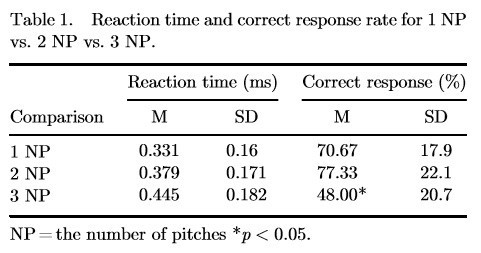
Ryu, J.Kim, A.Ali, W.Kim & S.J. Radlo (2015) Changes in baseball batters’ brain activity with increased pitch choice. Journal of Integrative Neuroscience, Vol. 14, No. 3369–381.
這項技術與目前使用的「意識測試」方法非常不同。巴黎硝石醫院(hôpital de la Pitié-Salpêtrière)的神經學家 Lionel Naccache 表示,「實際上,大多數的測試都是要求病人用大腦進行需要意識的認知工作,例如想像在打網球。醫生觀察執行工作時的腦部訊號,就可以確認患者是否有意識。不過,我們很難解釋負面的結果,例如病人可能無法理解我們的措詞或者他正在睡覺等等。米蘭大學的 Marcello Massimini 與其同事共同設計的方式並不會受此限制」。