
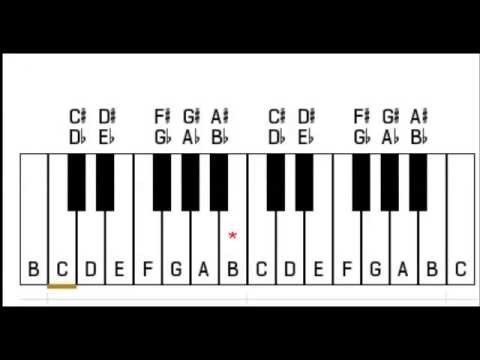
鋼琴或其他樂器上的音乃是以前七個英文字母來命名,即 A、B、C、D、E、F、G。在這些音之間還另外穿插有幾個音,即鋼琴上的黑色琴鍵,例如在 A 和 B 之間穿插了一個音,我們可叫它「升 A」,意即比 A 高一個音級;或「降B」,意即比 B 低一個音級。這套看來有點兩光的音符命名系統,已傳承了數個世紀,這部分我會在第九章詳加說明。目前各位只需知道音符是以英文字母命名,且有時前面還會跟著「升」或「降」等字眼。在左頁圖片中,因頁面限制,我無法將「升」或「降」等字加上去,只能以傳統符號「♭」來表示「降」;並以「#」來表示「升」。
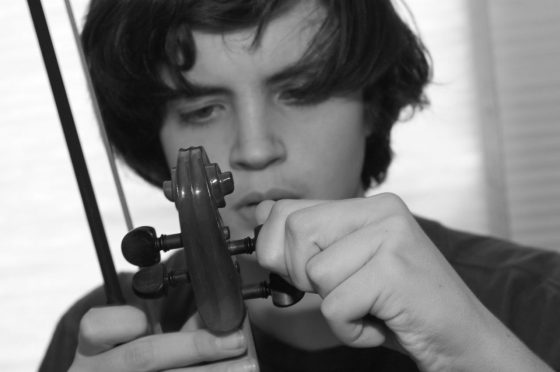
那麼就拿為小提琴調音來舉例吧!第一步是將最粗的那根弦調成正確的 G 音,接著再利用該曲第一句中兩組「一閃」音高間的音差,將其餘的弦,以兩兩對照的方式互相調音。這第一個做為基準的 G 音,可使用音叉進行校準,或利用調好音的鋼琴來對照調音。但倘若你手邊既無音叉亦無鋼琴時,該怎麼辦呢?
當你獨自演奏弦樂器時,可從最粗的那根琴弦上挑選一個原始音,然後根據這根弦來調其餘的弦。務必確認任兩根弦之間的音差,與兩組「一閃」間的音高差一致。在選擇原始音高時,只需確保該弦已繃得夠緊以便發出清楚的音,但又不會太緊以致琴弦斷裂。你一開始所挑選的音高並非 G 音(除非你擁有絕對音高,這部分我留待之後的章節說明),其實,這個音可能是介於鋼琴上兩個相鄰琴鍵間的音,像是「較 A 高一點」或「比 F 低一些」的音。
只要你任兩根琴弦間的音高差,與兩組「一閃」間的音高差一致,所奏出的音便不會偏到哪去,接著其他的弦樂手就能跟著調成一樣的音了。不過,要是其中有吹奏長笛的樂手,便無法一起演奏了。這是因為長笛或任何管樂器上的音都是固定的,沒辦法讓你自行選用之前的那些原始音。例如,長笛手可吹奏「E」或「F」音,卻無法吹出「比 E 高一點」的音。
你和其他弦樂手可同時演奏一段「比 E 高一點─比 F 高一點─比 C 高一點」的旋律,且聽起來就跟長笛手吹奏「E——F——C」的旋律一樣悅耳。但當兩組人馬同時演奏時,恐怕就很難聽了。只有下列兩種方式可容許大家作伙一起演奏:
Farrugia, N., Jakubowski, K., Cusack, R., & Stewart, L. (2015). Tunes stuck in your brain: The frequency and affective evaluation of involuntary musical imagery correlate with cortical structure. Consciousness and cognition, 35, 66-77.
Liikkanen, L. A. (2008). Music in everymind: commonality of involuntary musical imagery. In 10th International Conference of Music Perception and Cognition. Sapporo, Japan, August 2008 (pp. 1-5).
Beaman, C. P. (2018). The literary and recent scientific history of the earworm: A review and theoretical framework. Auditory Perception & Cognition, 1(1-2), 42-65.
Beaman, C. P., & Williams, T. I. (2010). Earworms (stuck song syndrome): Towards a natural history of intrusive thoughts. British Journal of Psychology, 101(4), 637-653.
Albouy, P., Mattout, J., Bouet, R., Maby, E., Sanchez, G., Aguera, P. E., … & Tillmann, B. (2013). Impaired pitch perception and memory in congenital amusia: the deficit starts in the auditory cortex. Brain, 136(5), 1639-1661.
Hyde, K. L., & Peretz, I. (2004). Brains that are out of tune but in time. Psychological science, 15(5), 356-360.
Hyde, K. L., Lerch, J. P., Zatorre, R. J., Griffiths, T. D., Evans, A. C., & Peretz, I. (2007). Cortical thickness in congenital amusia: when less is better than more. Journal of Neuroscience, 27(47), 13028-13032.
Aron, A. R., Robbins, T. W., & Poldrack, R. A. (2004). Inhibition and the right inferior frontal cortex. Trends in cognitive sciences, 8(4), 170-177.
Aron, A. R., Robbins, T. W., & Poldrack, R. A. (2014). Inhibition and the right inferior frontal cortex: one decade on. Trends in cognitive sciences, 18(4), 177-185.
Bernhardt, B. C., Smallwood, J., Tusche, A., Ruby, F. J., Engen, H. G., Steinbeis, N., & Singer, T. (2014). Medial prefrontal and anterior cingulate cortical thickness predicts shared individual differences in self-generated thought and temporal discounting. Neuroimage, 90, 290-297.
Koelsch, S., Skouras, S., & Jentschke, S. (2013). Neural correlates of emotional personality: A structural and functional magnetic resonance imaging study. PLoS One, 8(11), e77196.
Royet, J. P., Zald, D., Versace, R., Costes, N., Lavenne, F., Koenig, O., & Gervais, R. (2000). Emotional responses to pleasant and unpleasant olfactory, visual, and auditory stimuli: a positron emission tomography study. Journal of Neuroscience, 20(20), 7752-7759.
Jakubowski, K., Finkel, S., Stewart, L., & Müllensiefen, D. (2017). Dissecting an earworm: Melodic features and song popularity predict involuntary musical imagery. Psychology of Aesthetics, Creativity, and the Arts, 11(2), 122.
Christina, Y., & Pujiarto, P. (2023). The Effectiveness of Nursery Rhymes Media to Improve English Vocabulary and Confidence of Children (4-5 Years) in Tutor Time Kindergarten. Journal of Education Research, 4(3), 1326-1333.
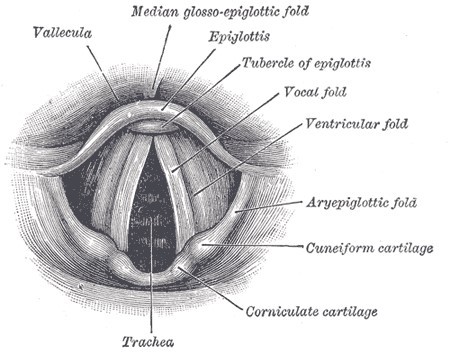
根據上文的這些現象,Everett、Blasi 及 Roberts [4] 提出一個有趣的想法:既然絕對濕度對聲帶的生理有如此顯著的影響,這些影響會不會早已在上千上萬年的尺度上推動著語言聲調系統的演化?為了驗證這個想法,作者分析了 The World Atlas of Language Structures (WALS) [5] 與 World Phonotactics Database 這兩個資料庫的語言,並使用美國國家環境預測中心 ( National Centers for Environmental Prediction, NCEP ) 與國家大氣研究中心 ( National Center for Atmospheric Research, NCAR ) 的資料計算各語言起源地的平均絕對溼度與平均氣溫。
分析結果顯示,一地的平均絕對溼度與平均氣溫皆與該地之語言聲調系統的發展有著顯著的關聯,並且,溼度的與聲調的關聯最為強烈:氣候環境越為乾燥,該地發展出聲調語言的機率越低。當然,直接由地理分布去論證氣候環境對語言之演化影響是大有問題的,畢竟語言的分布同時也受到語族及語系 ( language family ) 的歷史影響。例如,兩種聲調語言在地理分布上皆位於潮濕的地區,或許並非受到氣候影響,而是由於它們恰巧有著共同的祖先,因而在地理分布上相當接近。
Leydon, C., Sivasankar, M., Falciglia, D. L., Atkins, C., & Fisher, K. V. (2009). Vocal fold surface hydration: A review. Journal of Voice, 23(6), 658–665. https://doi.org/10.1016/j.jvoice.2008.03.010 https://doi.org/10.1016/j.jvoice.2008.03.010
Ryu, Catherine, Mandarin Tone Perception & Production Team, and Michigan State University Libraries. Tone Perfect: Multimodal Database for Mandarin Chinese. Accessed 1 November 2024. https://tone.lib.msu.edu/
Everett, C., Blasi, D. E., & Roberts, S. G. (2015). Climate, vocal folds, and tonal languages: Connecting the physiological and geographic dots. Proceedings of the National Academy of Sciences of the United States of America, 112(5), 1322–1327. https://doi.org/10.1073/pnas.1417413112
Maddieson, I. (2013). Tone (v2020.4). In M. S. Dryer & M. Haspelmath (Eds.), The world atlas of language structures online. Zenodo. https://doi.org/10.5281/zenodo.13950591
Leaflet—An open-source JavaScript library for interactive maps. (n.d.). Retrieved November 5, 2024, from https://leafletjs.com/
鋼琴或其他樂器上的音乃是以前七個英文字母來命名,即 A、B、C、D、E、F、G。在這些音之間還另外穿插有幾個音,即鋼琴上的黑色琴鍵,例如在 A 和 B 之間穿插了一個音,我們可叫它「升 A」,意即比 A 高一個音級;或「降B」,意即比 B 低一個音級。這套看來有點兩光的音符命名系統,已傳承了數個世紀,這部分我會在第九章詳加說明。目前各位只需知道音符是以英文字母命名,且有時前面還會跟著「升」或「降」等字眼。在左頁圖片中,因頁面限制,我無法將「升」或「降」等字加上去,只能以傳統符號「♭」來表示「降」;並以「#」來表示「升」。
那麼就拿為小提琴調音來舉例吧!第一步是將最粗的那根弦調成正確的 G 音,接著再利用該曲第一句中兩組「一閃」音高間的音差,將其餘的弦,以兩兩對照的方式互相調音。這第一個做為基準的 G 音,可使用音叉進行校準,或利用調好音的鋼琴來對照調音。但倘若你手邊既無音叉亦無鋼琴時,該怎麼辦呢?
當你獨自演奏弦樂器時,可從最粗的那根琴弦上挑選一個原始音,然後根據這根弦來調其餘的弦。務必確認任兩根弦之間的音差,與兩組「一閃」間的音高差一致。在選擇原始音高時,只需確保該弦已繃得夠緊以便發出清楚的音,但又不會太緊以致琴弦斷裂。你一開始所挑選的音高並非 G 音(除非你擁有絕對音高,這部分我留待之後的章節說明),其實,這個音可能是介於鋼琴上兩個相鄰琴鍵間的音,像是「較 A 高一點」或「比 F 低一些」的音。
只要你任兩根琴弦間的音高差,與兩組「一閃」間的音高差一致,所奏出的音便不會偏到哪去,接著其他的弦樂手就能跟著調成一樣的音了。不過,要是其中有吹奏長笛的樂手,便無法一起演奏了。這是因為長笛或任何管樂器上的音都是固定的,沒辦法讓你自行選用之前的那些原始音。例如,長笛手可吹奏「E」或「F」音,卻無法吹出「比 E 高一點」的音。
-----廣告,請繼續往下閱讀-----
你和其他弦樂手可同時演奏一段「比 E 高一點─比 F 高一點─比 C 高一點」的旋律,且聽起來就跟長笛手吹奏「E——F——C」的旋律一樣悅耳。但當兩組人馬同時演奏時,恐怕就很難聽了。只有下列兩種方式可容許大家作伙一起演奏:
Halpern, D. L., Blake, R., & Hillenbrand, J. (1986). Psychoacoustics of a chilling sound. Perception & Psychophysics, 39, 77-80.
Kumar, S., Forster, H. M., Bailey, P., & Griffiths, T. D. (2008). Mapping unpleasantness of sounds to their auditory representation. The Journal of the Acoustical Society of America, 124(6), 3810-3817.
Ro, T., Ellmore, T. M., & Beauchamp, M. S. (2013). A neural link between feeling and hearing. Cerebral cortex, 23(7), 1724-1730.
Koenig, L., & Ro, T. (2022). Sound Frequency Predicts the Bodily Location of Auditory-Induced Tactile Sensations in Synesthetic and Ordinary Perception. bioRxiv.
Lad, D., Wilkins, A., Johnstone, E., Vuong, Q.C. (2022). Feeling the music: The feel and sound of songs attenuate pain. British Journal of Pain, 16(5), 518-527.
Zald, D. H., & Pardo, J. V. (2002). The neural correlates of aversive auditory stimulation. Neuroimage, 16(3), 746-753.
LeDoux, J. E. (2000). Emotion circuits in the brain. Annual review of neuroscience, 23(1), 155-184.
Kumar, S., von Kriegstein, K., Friston, K., & Griffiths, T. D. (2012). Features versus feelings: dissociable representations of the acoustic features and valence of aversive sounds. Journal of Neuroscience, 32(41), 14184-14192.